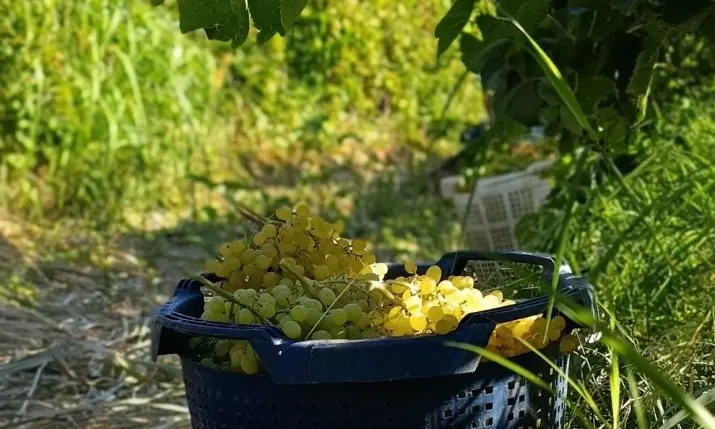
Croatia's wine cellars are noticeably lighter this year. A combination of severe drought and an exceptionally busy Adriatic tourist season has pushed national grape and wine production down by roughly 30 per cent, and stocks on the mainland have been drained faster than usual by summer demand.
The impact is being felt most in continental Croatia, where producers came out of a strained harvest and then watched coastal tourism empty their reserves. Demand for young wines is running hot, especially for Graševina — the country's signature white variety and the backbone of many Slavonian winelists. Wines that have reached technological maturity are going through standard protection procedures at the Institute of Viticulture and Enology before release, but as Kutjevo winemaker Ivan Perak admitted to HRT, producers don't have the luxury of holding bottles back until they peak. They're releasing what they can, when they can.
There's a longer game being played too. Researchers and winemakers are developing new Graševina clones bred for a hotter, less predictable climate. One promising clone from the University of Osijek's Faculty of Tourism and Rural Development produces grapes with higher acidity and lower sugar — a direct answer to the problem of warm years, when sugars spike and throw wine balance off. That planting material is already going into vineyards across Croatia's wine regions, and the first wines made from the new clones are showing early results this season.
For visitors, the practical takeaway is simple: Croatian wine isn't disappearing, but certain bottles — particularly young Graševina — may sell out faster and taste riper than in cooler years. If wine is a reason for your trip, book tastings ahead, especially in inland regions like Slavonia around Kutjevo and the Danube vineyards, where producers are working with smaller volumes. Don't overlook coastal island wines either; the shortage pressure is described as heaviest on the mainland, so island cellars on Korčula, Hvar or Vis may still offer fuller ranges. It's also a genuinely interesting moment to visit: you can taste wines from the first experimental climate-adapted clones before almost anyone else has.
This story matters to anyone planning a wine-focused holiday in Croatia over the next year. The country remains one of Europe's most rewarding and affordable wine destinations — Plavac Mali, Malvazija and Pošip are all worth seeking out alongside Graševina — but a shorter, tighter 2025 vintage means flexibility and early booking will get you the best cellars and the fullest tastings. Those who go now will also get a front-row look at how one of Europe's smaller wine nations is adapting to climate change in real time.