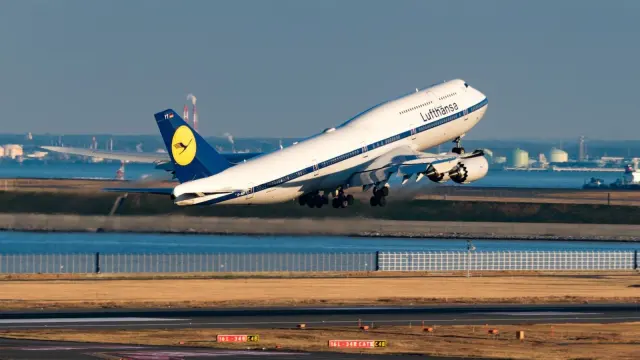
A Learjet 60 crash near Palm Beach, Florida, on November 1 — which killed all nine people aboard a private charter flying from Austin, Texas, toward the Bahamas — has predictably revived talk of the Bermuda Triangle. A writer with a decade in Bermuda uses the moment to untangle what the legend actually covers, and why it has so little to do with this tragedy.
The famous triangle joins Miami, Bermuda and Puerto Rico, with Bermuda at its northern apex and the Florida–Bahamas waters at the southwestern corner. Those boundaries were never official, which suits a mystery: an elastic zone leaves room to recruit the next disappearance. Crucially, an aircraft flying from Florida to the Bahamas never goes anywhere near Bermuda at all, whatever the headlines imply.
The name itself predates Charles Berlitz's 1974 bestseller — Vincent Gaddis coined it in a 1964 Argosy magazine article — but it was Berlitz who turned a loose pile of maritime and aviation stories into a dinner-party phenomenon. NOAA, for the record, finds no evidence that disappearances happen more often there than in any other busy stretch of ocean.
What the region does have is real hazards: warm seas feeding powerful thunderstorms, Atlantic hurricanes, the Gulf Stream, reefs and shallow banks. The FAA advises pilots to give severe thunderstorms a wide berth of at least twenty miles, and cruising altitudes can hold freezing temperatures, icing, hail and violent updrafts no matter how warm the beach below. A pricier ticket and a private pilot don't persuade weather to move aside. The actual cause of the Learjet crash remains for NTSB investigators to establish.
The piece also tackles a question the crash raises: is a private jet safer than an airline? Broadly, scheduled carriers hold the stronger record — the NTSB has historically recorded higher accident rates for Part 135 charter operations than for heavily regulated Part 121 airlines. But not all private flights are comparable, and luxury and safety are separate purchases. What matters is the operator, crew, aircraft and safety culture, not the cabin upholstery.
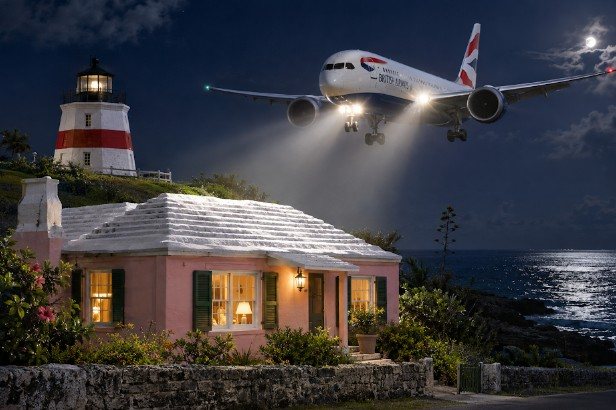
For Bermuda itself, the myth has real costs. The island's Tourism Board was reportedly upset when residents said would-be visitors refused to travel there because of the Triangle — even though the island now happily sells "I survived the Bermuda Triangle" T-shirts at its own airport gift shop.