Dubai's hotel market has taken a serious hit this year, yet developers keep announcing luxury branded homes across the city. The disconnect is striking — and it says something about how the emirate's tourism economy works.
First, the bad news. October occupancy in Dubai dropped to 68.4%, down more than 16 percentage points from 84.9% a year earlier, according to CoStar's STR. Average daily rates fell 28.1% to $181, and revenue per available room plunged 42% to $124. International arrivals have collapsed too: 9.7 million visitors in the first ten months of the year, a 38% drop. The cause? The war between the U.S. and Iran, which began in late February and has spooked travellers away from the Gulf.
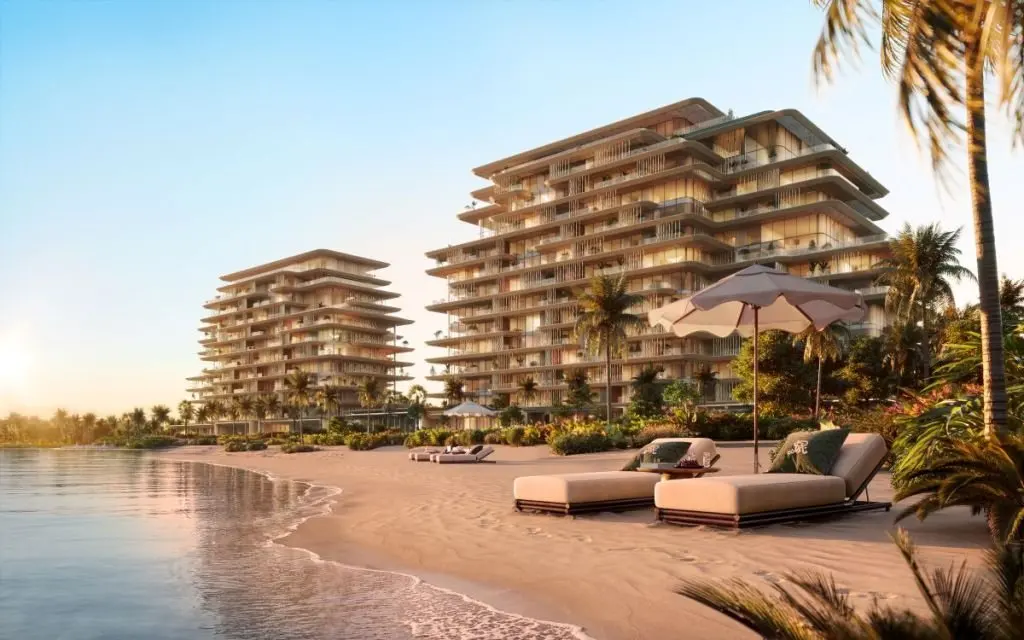
Against that backdrop, you might expect property developers to hit pause. Instead, they're doubling down. Avenew Development has launched The St. Regis Residences on Dubai Islands with Marriott International. Dubai South has signed UK-based Cheval Collection for a project called Cheval South Bay. And Al Seeb Real Estate Development has started main construction on Chedi Private Residences in Dubai.
Branded residences — apartment and villa developments built in partnership with a hotel or lifestyle brand — have become Dubai's signature property play. The pitch to buyers is hotel-grade service and a trusted name attached to their investment; for the brands, it's a way to earn fees and extend their footprint without operating a full hotel. Developers are clearly betting that current geopolitical jitters are temporary and that long-term demand for the city's branded homes will hold.
For travellers, there's an immediate silver lining in the hotel numbers. A 28% drop in average daily rates means Dubai, usually one of the pricier winter sun destinations, is suddenly offering deals on rooms that would normally command premium prices. If your travel plans are flexible and you're comfortable with the situation in the Gulf, this could be the cheapest window in years to stay at properties that were recently out of reach — from beach resorts on Dubai Islands to downtown icons.
The residence launches, meanwhile, hint at what the city will look like when demand recovers: more hotel-brand-adjacent places to stay, more serviced apartments, and potentially more competition that could keep rates in check even after visitor numbers bounce back. Anyone who keeps an eye on Dubai's accommodation scene — whether for a future holiday or a rental investment — should watch how these projects progress.
For now, Dubai is a market of two realities: a hotel sector bleeding occupancy and rates, and a property sector acting as if none of it is happening. Whether the developers' optimism pays off is a question for 2027 and beyond.