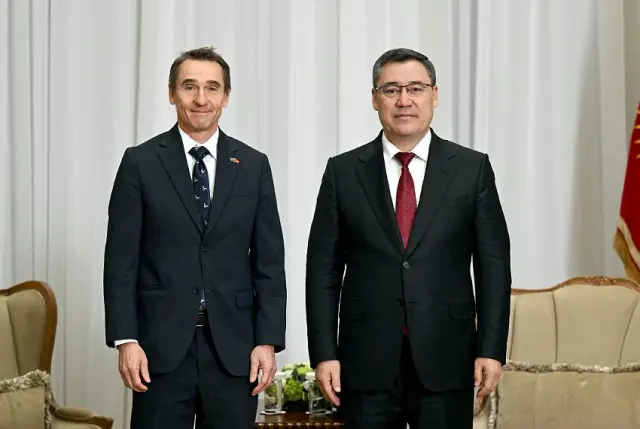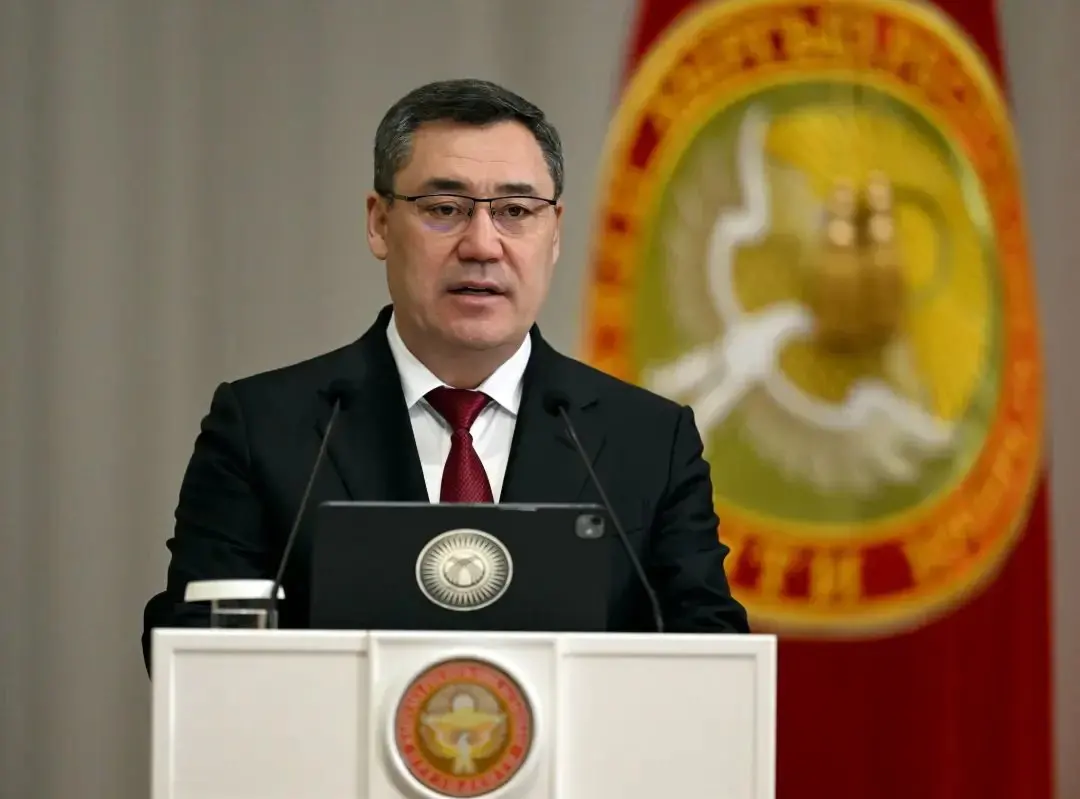
President Sadyr Japarov has formally invited foreign governments to monitor Kyrgyzstan's next presidential election, set for 27 January 2027. The invitations went out on 25 November in Bishkek, during a ceremony where ambassadors from sixteen countries presented their credentials — including the UK's Vicente Solera Ducar and the US's Steven Gillen, plus non-resident envoys from Argentina, Georgia, Latvia, San Marino, Portugal, Israel, Bulgaria, Sri Lanka, Denmark, Malaysia, Vietnam, Egypt, Algeria and Slovakia.
Japarov used the meeting to sketch out how the country sees itself internationally: a 'multi-vector' foreign policy, a push for open and lawful elections, and a fresh seat as a non-permanent UN Security Council member for 2027–2028. He also flagged economic priorities that should matter to anyone watching Central Asia — the Kambarata-1 hydropower plant, the long-planned China–Kyrgyzstan–Uzbekistan railway, the CASA-1000 energy corridor, and cooperation in digital infrastructure, agriculture and tourism.
For travellers, the most concrete date in the whole announcement is the Second Global Mountain Summit, branded Bishkek+25, which the president wants the diplomatic corps — and the wider world — to attend in Bishkek on 21–23 October 2027. It lands right at the tail end of Kyrgyzstan's short but spectacular trekking season, when the high-altitude lakes and passes around the capital are at their most accessible.
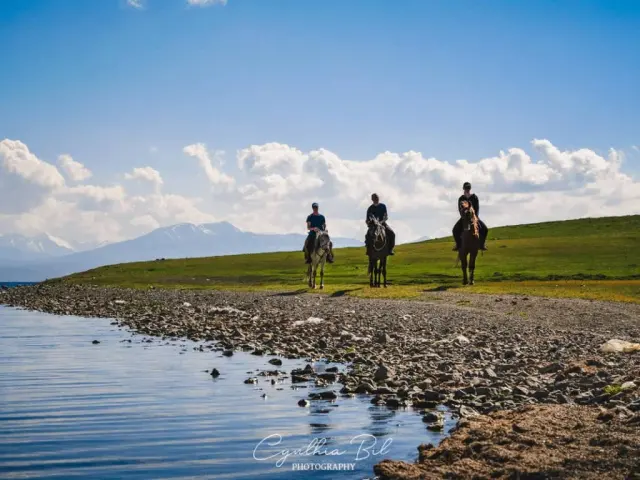
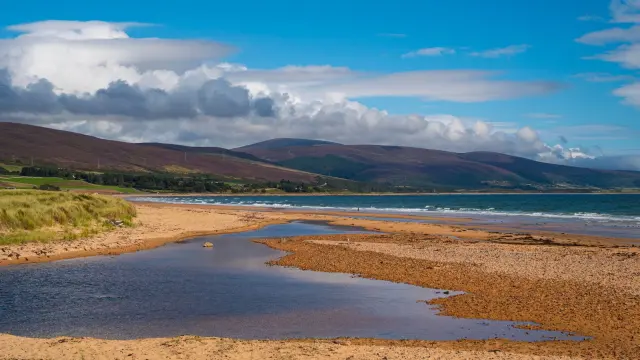
Why care? Kyrgyzstan remains one of Central Asia's easiest and cheapest countries for independent travel: visa-free access for many nationalities, guesthouse culture, horse-trekking around Song Kol, and alpine scenery that rivals Switzerland at a fraction of the cost. Signals of political openness, big infrastructure money and an international summit all point to a country quietly building its tourism pitch ahead of 2027.