Ramadan used to be the quiet month in the Gulf tourism calendar, when travellers assumed the region half-closed its doors. Abu Dhabi's latest figures tell a different story. During Ramadan 2026, the emirate's average length of stay rose 3% year on year, domestic hotel guests stayed 31% longer, and visits to cultural institutions more than doubled — from roughly 131,000 in Ramadan 2025 to over 291,000 in 2026.
The Department of Culture and Tourism – Abu Dhabi (DCT) is leaning into this, pitching the holy month as a cultural season in its own right rather than a gap in the calendar. Director of international operations Abdulla Yousuf's key message is simple: the emirate stays fully open. Hotels, beaches, theme parks, Michelin-recognised restaurants and major attractions all run at normal capacity. What changes is the pace — calm, reflective days give way to lively nights built around iftar dinners, suhoor gatherings, night markets and cultural programming such as Layali Nights.
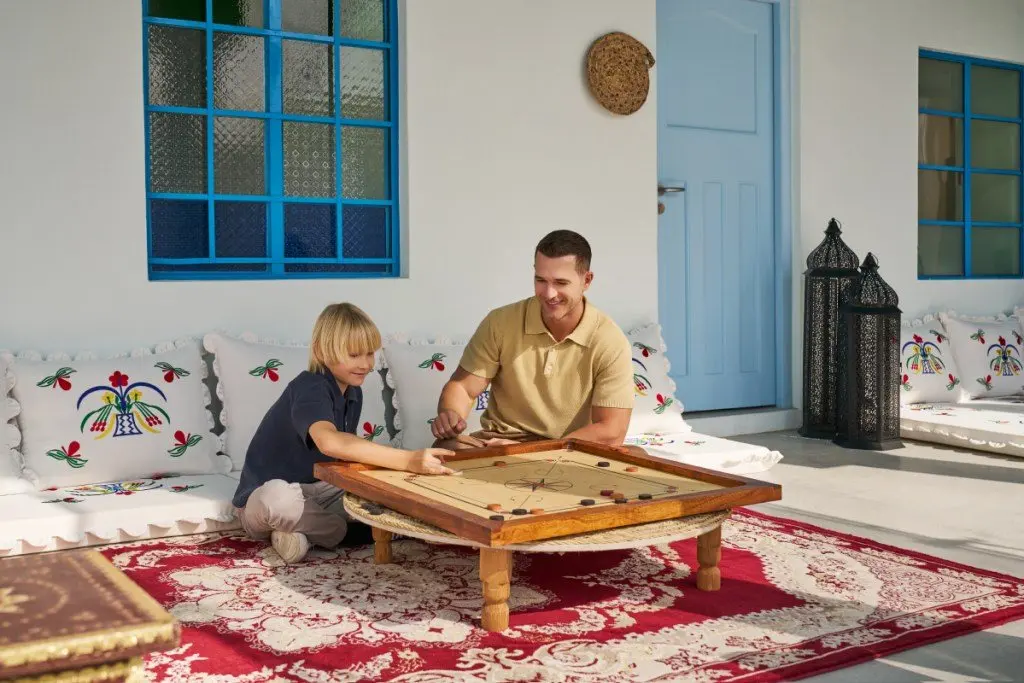
Timing helps. Ramadan 2026 fell in the cooler months, when outdoor activities — kayaking through mangroves, desert trips, walking the Corniche — are comfortable. Ramadan 2027 will land in February–March again, so the same combination of cool weather and cultural evenings should hold. Daytime sightseeing in the Saadiyat Cultural District (Louvre Abu Dhabi, teamLab Phenomena, Zayed National Museum, the new Natural History Museum) can flow into communal iftars at Ezba Experiences, heritage games at Al Jahili Fort, Ramadan events at Qasr Al Hosn, and late-night visits to Sheikh Zayed Grand Mosque.
DCT is also working on the trade side, running workshops across 23 markets and adding a Ramadan module to its Experience Abu Dhabi Experts e-learning platform, aimed at agents who still field questions about opening hours and dining during the holy month. The pitch to travellers: this is a chance to see Abu Dhabi at a slower, more communal rhythm — with hosts who treat shared meals as a matter of course — while everything you'd normally come for still runs.
For anyone flexible about when to travel, Ramadan is emerging as an underrated window: fewer assumptions of crowds, a packed evening culture scene, and the emirate's usual beach-and-museum offering thrown in.