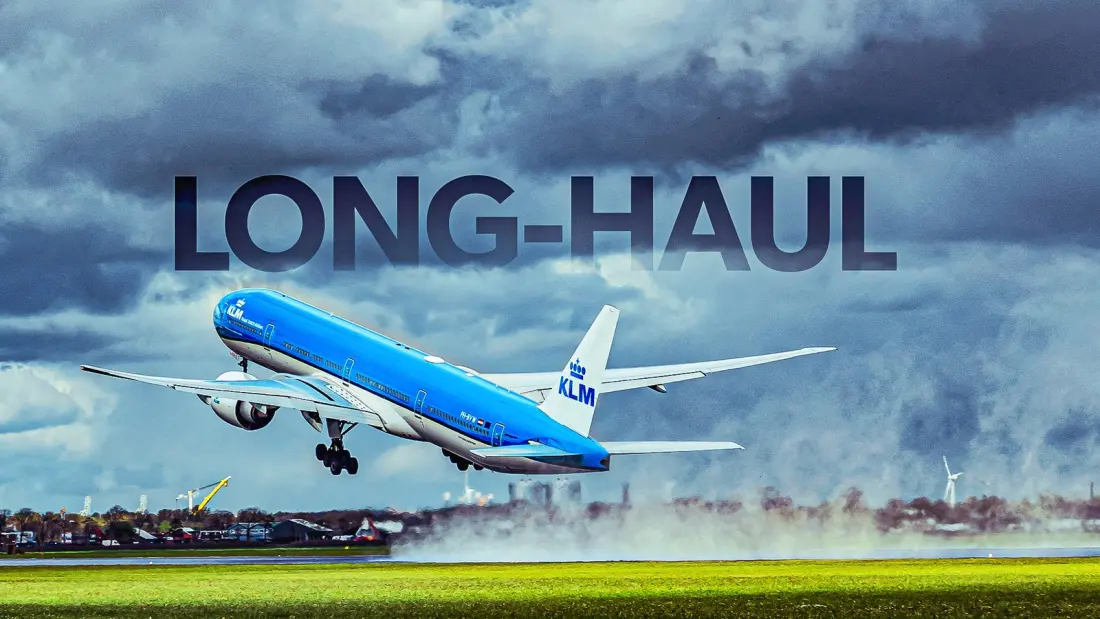
Spending twelve hours in a pressurised metal tube is nobody's idea of fun, but seasoned long-haul travellers seem to land fresher than the rest of us. The difference isn't luck — it's a handful of habits that anyone can copy, from seat selection to pre-flight exercise.
It starts before boarding. Picking your seat early is the cheapest insurance against a miserable flight: airlines increasingly charge for the privilege, but on a long route the trade-off can be worth it. Sitting ahead of the engines means less noise, a window seat gives you something to lean on, and aisle access lets you stretch whenever you like. Wait for check-in instead and you might snag a free seat — or a middle one.
Next comes the in-flight kit. Rather than digging through an overhead bin every hour, frequent flyers keep a small bag at their seat with chargers, an eye mask, lip balm, a toothbrush, snacks and compression socks. A reusable water bottle earns its place too: cabin air is drier than a desert, and the rough guidance is 200–250ml of water per hour. Alcohol works against you on both counts — it dehydrates and wrecks sleep quality — so treat that complimentary glass of wine as a one-off, not a routine.
Noise is another quiet energy drain. Free airline headphones are usually poor, and while premium cabins on carriers like Singapore Airlines, British Airways, Delta and ANA get noise-cancelling sets, economy passengers almost never do. Bringing your own headphones plus downloaded films, music or a book covers the other weak spot: relying entirely on in-flight entertainment. Boredom hits fast — Emirates-backed research in 2017 found under-12s showed signs of it after just under 50 minutes, and adults aren't much better.
Jet lag can be softened before it starts. Switch your watch to destination time when you board, and ideally shift your sleep, meals and caffeine in the days beforehand. Once you land, chase daylight if it's daytime, or sleep properly if it's night.
Finally, dress for the door-to-door reality, not the photo. A flight that looks like eight hours can swallow sixteen with transfers, mostly spent sitting down. Loose clothes and layers win — cabins get cold, and body temperature drops further when you sleep. Movement matters too: physiotherapist Emma Readman-Thorley, cited by Qantas, recommends walking the terminal and stretching before boarding, then moving your limbs for three to four minutes every hour in the air to keep circulation going and limit swelling and fatigue.
None of this requires a business-class fare. It's mostly preparation: book the right seat, pack a small kit, hydrate, and get your body clock moving the right direction early. Do those things and even a middle seat in the back row starts to look tolerable.