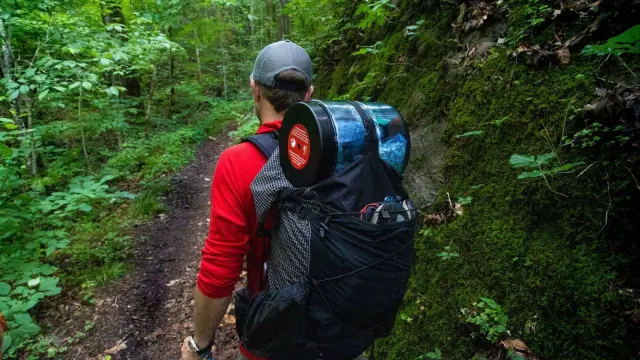
A hiker known on trail as Gadget wrapped up a Pacific Crest Trail thru-hike two months ago, and their post-trail reflections offer a refreshingly honest take on what the 2,650-mile trek from Mexico to Canada actually feels like — during and after.
The biggest surprise? It never got easy. Around 20 miles a day felt like a huge win early on, but by the end the same distance registered as a near-zero day. The body adapts, but the challenge simply recalibrates. And the recovery period is real: weeks of sore hips, throbbing feet, and toes still regaining feeling months after the finish. Anyone romanticising a thru-hike should hear that part clearly.
The most interesting insight is about how Gadget hiked. Early in the Sierra, they asked a few fellow hikers to team up for the technical, snow-and-river-heavy passes. That loose partnership evolved into a 'bubble' of a dozen or more people who hiked roughly the same stretch — a few miles apart — for nearly 2,000 miles, without ever voting on decisions as a group. Everyone kept their own pace and schedule, but there was always someone nearby on dangerous crossings, shared rooms split costs in town, and side trips became group fun.
This pushes back against a popular bit of thru-hiker wisdom: ditch your 'tramily' and go it alone. Gadget started the trail chasing solo independence, and found instead that independence plus community delivered more personal growth than either alone. For anyone weighing a long-distance hike, that's a genuinely useful takeaway — you don't have to choose between your own itinerary and having people around you.
Physically and emotionally, the aftermath matters too. It took weeks to feel rested, and Gadget admits they don't even miss hiking right now, which will surprise anyone assuming finishers are desperate to get back out. The next plans are gentler: time at a family cabin in Idyllwild, California (a beloved PCT trail town), possibly doing trail magic for next year's hikers, returning to run and climb, and eventually hiking the Washington fire-closure miles skipped between Snoqualmie Pass and Hart's Pass.
Why care if you're not a would-be thru-hiker? Because the PCT is increasingly on bucket lists, and real accounts like this one cut through the highlight-reel version. The trail is doable, but it demands sustained discomfort, and the people you meet shape the experience as much as the scenery does. If a five-month commitment is too much, the same dynamics apply on shorter sections — the Sierra passes for drama, Washington for green solitude — and the bubble concept works with even two or three friends hiking loose together.
Gadget's closing advice is simple: if you're even contemplating it, do it. Whether you'd say the same after months of numb toes is a question this piece helps you answer honestly before you commit.