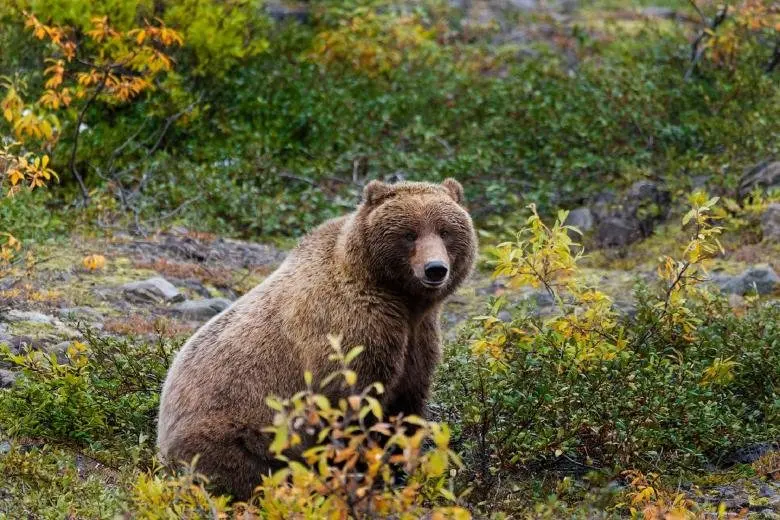
A tragedy on a forest trail in British Columbia has ended with a rare and grim conclusion: four grizzly bears — a mother and her three year-old cubs — were euthanized after DNA evidence tied them to the deaths of two hikers near Bella Coola.
The victims, Jennifer Balcarras and her daughter Selah Reed, set out on what family members described as a casual walk on a trail they knew well on October 31. When neither came home, they were reported missing on November 1. Their remains were found on consecutive days, November 2 and 3.
More than a dozen conservation officers then worked the case, and forensic testing confirmed which bears were involved. Notably, investigators concluded the attack was likely predatory in nature — unusual for grizzlies, who typically avoid people — and the animals were killed on public safety grounds. Authorities also confirmed through DNA that these bears had no connection to a separate incident from last November, when a grizzly mauled three children and an adult during a school trip; that bear was never caught.
The Bella Coola Conservation Officers Service has closed its investigation but says further analysis will look at both the response and the circumstances leading up to the event. Inspector Jeff Tyre called the loss devastating for the families, the Nuxalk Nation and the wider Bella Coola community, and asked that the families' privacy be respected.
For travellers, the takeaway is sobering. Bella Coola sits in one of the densest grizzly habitats in North America, drawing hikers, anglers and bear-viewers to the Great Bear Rainforest. Encounters that end in a predatory attack by multiple bears are exceedingly rare — but this case is a reminder that remote coastal BC trails carry real wildlife risk. Anyone hiking in grizzly country should carry bear spray and know how to use it, travel in groups, make noise on the trail, keep food sealed, and check provincial conservation alerts before heading out. If a bear shows curiosity rather than fear — following you, circling, ignoring noise — that behaviour differs from a defensive charge, and knowing the distinction can shape how you respond.
It's also worth knowing how local authorities operate: when bears are confirmed to pose a threat to people, British Columbia's conservation service will act decisively, as this case shows. For most visitors, standard precautions remain enough — millions explore BC's backcountry safely every year — but respect for the landscape and its wildlife is non-negotiable.