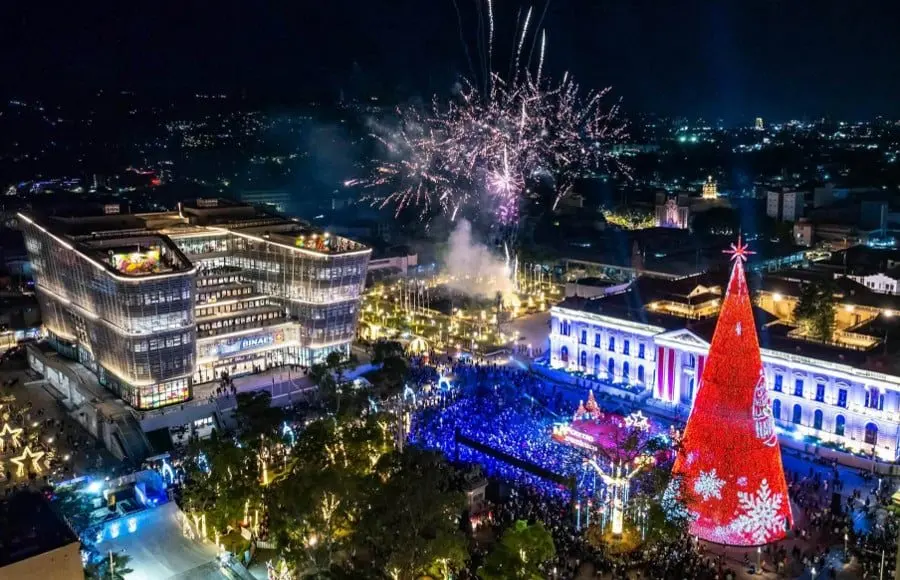
Christmas in El Salvador is less a single day and more a two-day operation, with all the action centred on Christmas Eve. December 24 — Nochebuena — is when families cook for hours, visit relatives, attend Mass and stay up well past midnight. The 25th is the slow morning and, for many, a trip to the beach.
The evening works on a rotating-door system. Families hold a formal sit-down dinner for close relatives and invited guests, often featuring lomo relleno (stuffed pork loin) with rice. But throughout the night, friends and neighbours drop by for short visits, and it's expected that both hosts and guests arrive with homemade food in hand — tamales, panes con pollo (chicken sandwiches) and quesadilla Salvadorana are the classic offerings. Nobody stays long; the point is simply to wish each other a Merry Christmas and keep community ties strong. Guests usually pause to admire the household's nativity scene, or El Nacimiento, which can range from a small tabletop display to a full miniature village with rivers, mountains and fountains.
Faith shapes the night for many families. Christmas Eve Mass — Misa del Gallo, the Rooster's Mass — is traditionally held at midnight, though each parish sets its own schedule, and many celebrate earlier. In small towns, the service doubles as a chance to catch up with neighbours you haven't seen all year.
Midnight is the peak. Families stand up from the table to exchange hugs, some open gifts while children are still awake, and many pass the baby Jesus figure from the nativity scene around the room, each person holding it to pray, give thanks or make a wish. Outside, firecrackers and fireworks erupt across neighbourhoods — loud, smoky and central to the celebration, though authorities warn annually about burns and injuries, especially among children.
Wearing something new is its own tradition, known as el estreno. New shoes, a new shirt, anything counts — it just has to be debuted on Christmas Eve.
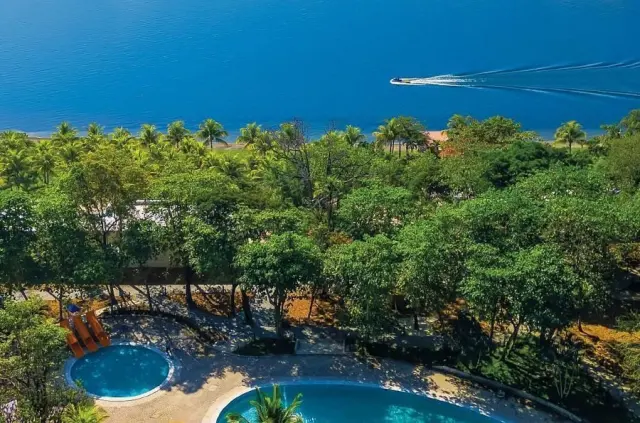
Christmas Day itself is deliberately low-key. People sleep in, and leftovers — recalentados — are eaten whenever anyone surfaces; a reheated tamal at noon is practically a national institution. Families who didn't make it to dinner the night before drop by, and many households pack up and head for the water. Beaches like El Cuco and El Majahual fill early on December 25, along with rivers, lakes and water parks, as families arrive with coolers and stake out a spot for the day.
For travellers, the appeal is obvious: this is a Christmas experienced outdoors and in the street, not behind closed curtains. If you're in El Salvador over the holidays, expect fireworks at midnight (pack earplugs), town squares and churches decorated with elaborate nativity displays throughout December, and restaurants and beaches packed on the 25th. Some communities also hold posadas before Christmas, with singing and prayers re-enacting Mary and Joseph's search for shelter. Join a Nochebuena gathering if you're invited — just bring something homemade, and don't plan on staying long.