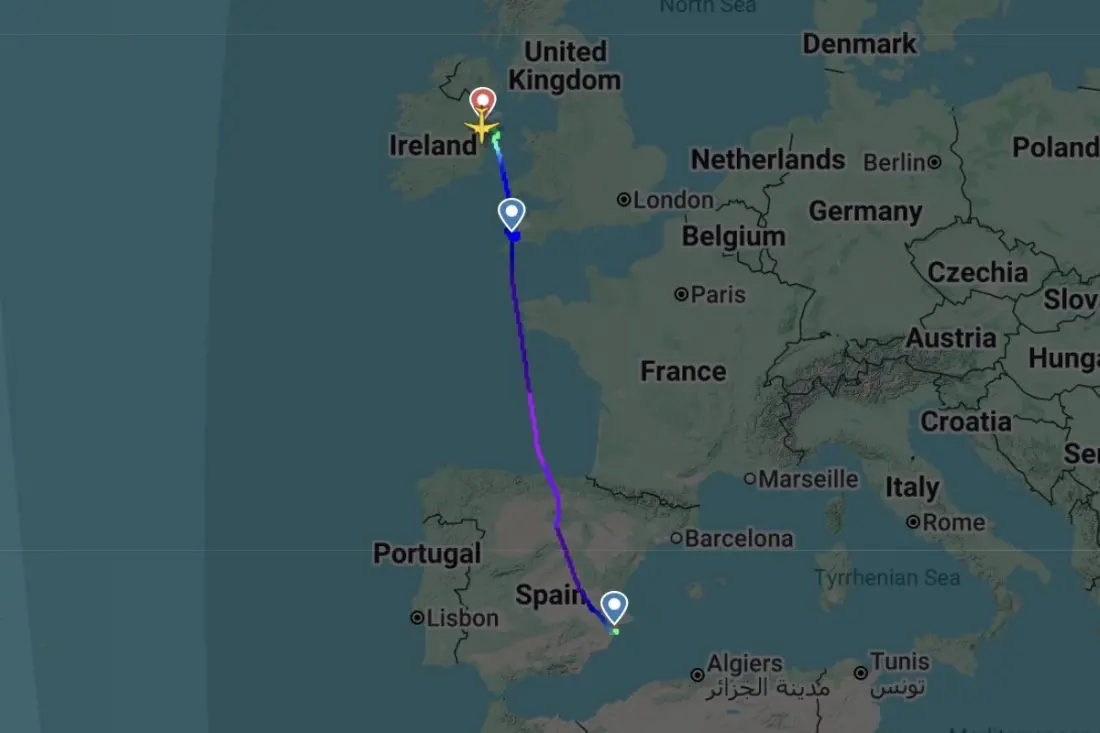
Stormy weather turned a routine hop across the Bay of Biscay into a travel saga most passengers would rather forget. Ryanair flight FR2954 was scheduled to fly from Alicante to Newquay in Cornwall, a trip meant to take about two and a half hours. Instead, passengers spent more than eight hours in the air and touched down exactly where they began.
The trouble started with an hour-long delay out of Alicante on Saturday, October 24, 2026. The Boeing 737-800 made it as far as the skies above Newquay, but Storm Austen was battering the Cornish coast with gusty winds, making landing unsafe. After a brief hold, the pilots diverted to Dublin, touching down just over three hours after leaving Spain.
The plan from there was sensible enough: refuel, then fly to Bristol, about 119 miles from Newquay, and bus passengers the rest of the way. The aircraft departed Dublin at 10:34PM. But 25 minutes in, it became clear that Bristol's weather was no better and wasn't forecast to improve. Rather than returning to Dublin or trying another UK airport, the crew flew all the way back to Alicante, landing at 2:12AM.
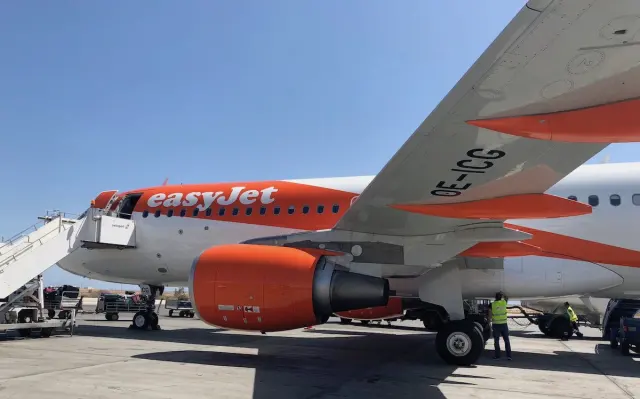
Why fly 867 miles in the wrong direction instead of stopping 213 miles from the destination? The answer is Ryanair's business model. The aircraft was based in Alicante, and returning it there meant the next day's schedule wouldn't unravel. There's also a quirk of Ryanair's structure at play: the plane carried a Maltese registration, sitting outside the airline's main Irish air operator certificate. That means crews and aircraft across Ryanair's subsidiaries aren't as interchangeable as you might expect, even at a hub the size of Dublin. Returning passengers to Dublin for an overnight and a morning flight to Newquay would have been the passenger-friendly option, but it wasn't the operationally simplest one.
On the money side, Ryanair is on the hook for passengers' essential expenses, including hotel rooms, since the airline must cover care costs regardless of cause. However, no EC261 cash compensation is likely, because storm-related diversions count as extraordinary circumstances beyond the airline's control.
For travellers, this is a useful reminder of how low-cost carrier logistics work. Budget airlines optimise for aircraft and crew positioning, not passenger convenience, so when things go wrong the recovery plan may prioritise the network over your evening. If you're flying into weather-exposed regional airports, Cornwall's Newquay among them, especially in storm season, it's worth booking flights earlier in the day when there are still options to re-route, and knowing your rights on care and compensation beforehand.
And if you do end up stuck: a diversion to an unexpected country is disorienting, but keep receipts for hotels, meals and transport, as the carrier is obliged to cover reasonable costs even when weather is to blame.
Story via One Mile at a Time.