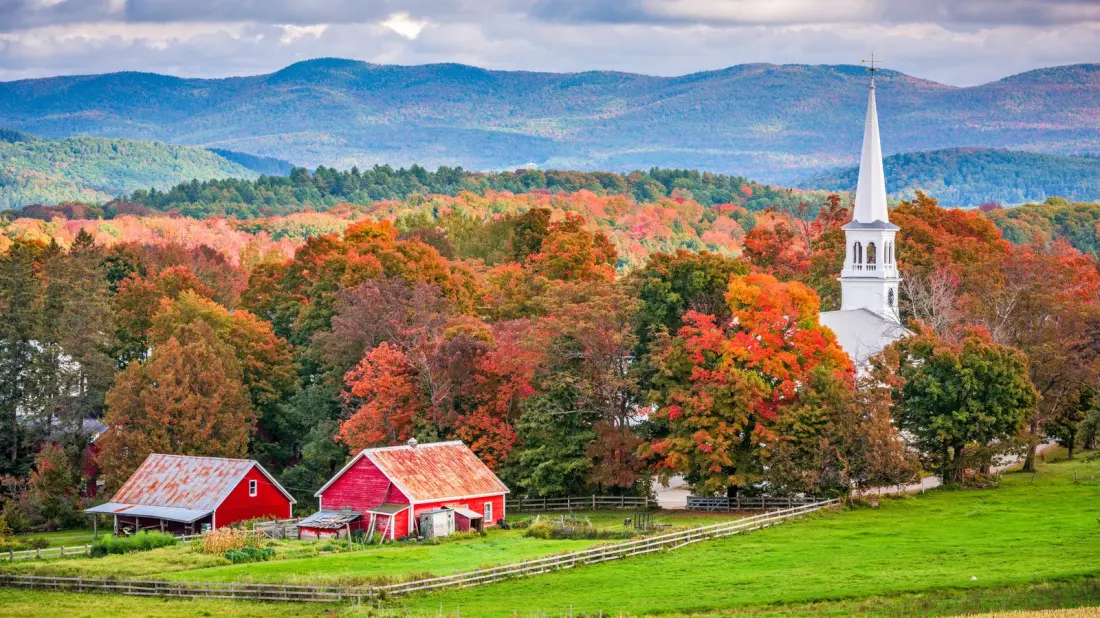
New England packs six very different states into one corner of the United States — Maine's lobster coast, Vermont's fall foliage, Massachusetts' beaches and Boston, sailing in Rhode Island and Connecticut, and ski slopes in New Hampshire. But locals have a few unspoken codes, and knowing them makes a trip far smoother. Here are the ones that matter most.
First, phone service: don't count on it. A 2024 Holafly study on cell-signal dead zones found three of the top five dead-zone states were Maine, Vermont and New Hampshire — and even a busy college town like Hanover, New Hampshire, can drop calls. Mountains, forests and local resistance to new towers all play a part. Download offline maps before you set out, and consider a signal booster if you'll be driving remote routes.
Second, brush up on the local vocabulary. A "packie" is a liquor store in Rhode Island and Massachusetts, a shopping cart is a "carriage," and "bang a uey" means make a U-turn. Long sandwiches are "grinders" (especially in Rhode Island), "scrod" on a menu means a firm white fish like cod, haddock or pollock, soft-serve is a "creemee," and sprinkles are "jimmies."
The classic trap is the milkshake. Order one in parts of New England and you may get shaken milk and flavoured syrup — no ice cream at all, which was actually the original 1800s recipe. Want the thick, ice-cream version? Ask for a "frappe" (pronounced "frap"), or a "cabinet" if you're in Rhode Island or southeastern Massachusetts.
Don't expect big-city energy, either. Boston, the region's largest city, has only around 670,000 residents compared with New York's 8.5 million, and locals, height restrictions and Logan Airport's flight paths keep its skyline modest. The result is a capital that feels more like a walkable town — with museums, theatres and top restaurants tucked into low-rise streets.
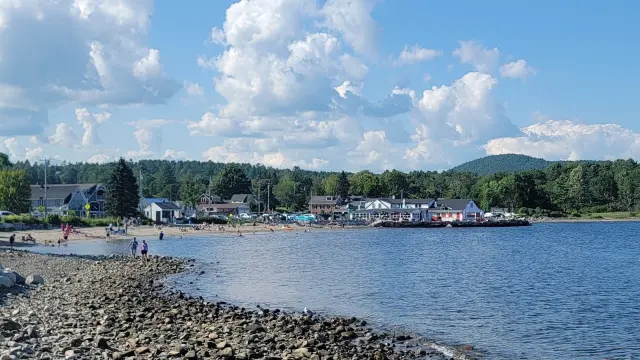
Beach lovers, note: some New England waters stay cold even in summer. Maine's ocean averages 50-57°F at pink-sand Sand Beach in Acadia National Park, and Old Orchard Beach — home to the region's only beachfront amusement park — hovers in the 60s. Bring a wetsuit, or head to warmer, sheltered spots like Silver Sands State Park in Connecticut or Nantucket's Eel Point Beach, which hits about 70°F in August.
One final rule of survival: order the white clam chowder. The creamy New England version is a point of pride, while tomato-based Manhattan chowder is treated almost as heresy — a Maine legislator even tried to ban it in 1939. And do your shopping early; small-town shops tend to close early too.
These quirks are exactly what makes the region fun. Learn them before you go and you'll blend in nicely, whether you're leaf-peeping in Vermont or lobster-hopping up the Maine coast.