The Algarve has always sold itself on sunshine. The difference now is what buyers want to do with it. According to Portugal Resident, international purchasers in southern Portugal are no longer content to simply bask in the 300 days of annual sun — they expect their homes to convert it into solar power, and energy performance has jumped from optional extra to top of the wish-list.
The shift is driven largely by Northern Europeans. Buyers from Scandinavia, Germany and the Benelux countries are arriving with firm expectations about sustainability, asking sales teams pointed questions about insulation, solar integration and smart-home tech. Margarida Rodriguez, head of sales at the Boavista Golf & Spa resort near Lagos, says many buyers now assume properties will be sustainable before they even walk through the door.
There's a legal angle too, which anyone considering a Portuguese purchase should know about. Every property must have a valid Energy Certificate (Certificado Energético) before it can legally be advertised, sold or rented. The certificate grades a building from A+ down to F, lasts ten years, and must appear in all marketing. Skip it and fines can reach €3,740 for private individuals. Since 2021, all newly licensed buildings must also meet Portugal's nZEB (Nearly Zero Energy Building) standard, so modern builds generate much of their own energy and insulate far better than older stock.
The financial case is doing a lot of the persuading. Good insulation, double glazing and clever shading keep homes cool in August and warm in January without leaning hard on heating and cooling systems — a big deal for retirees and long-stay residents watching running costs. Owners who let their properties out also report stronger rental performance, and energy-efficient homes hold their value better against older, power-hungry builds. Buyers are increasingly aware of what's called "stranding risk": a poorly rated property may one day need expensive retrofitting to stay sellable.
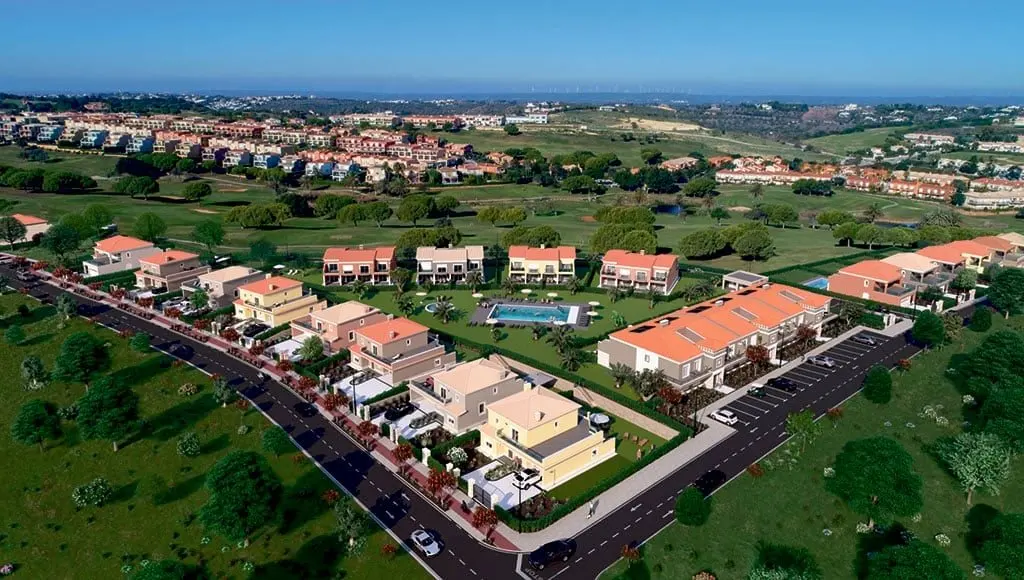
Developments are responding. Lagos itself has been named among the world's Top 100 most sustainable destinations, and at Boavista's new Seaview Village phase, villas come with high-efficiency heat pumps for water heating and roofs pre-wired for photovoltaic panels. Shared-roof buildings use solar collectors for hot water, the community has EV charging points (plus the option of a private wallbox at home), and rainwater is harvested into lakes and reused to irrigate the 18-hole golf course and drought-resistant planting.
Why does this matter to a traveller rather than a buyer? Because it signals how the Algarve is changing. If you're scouting a winter-sun base, a retirement bolt-hole or a rental investment, the efficiency rating on a listing is now one of the most honest indicators of build quality and future running costs — and a home that sips rather than gulps energy will be cheaper to enjoy year-round. Ask for the certificate, check the letter grade, and factor it into any offer.