Carnival Corporation is quietly redrawing its map. According to the company's third-quarter earnings presentation, Europe will account for 34 percent of its cruise capacity in 2027 — exactly matching the Caribbean for the first time. Last year the split was 35 percent Caribbean to 31 percent Europe, so the gap has closed fast.
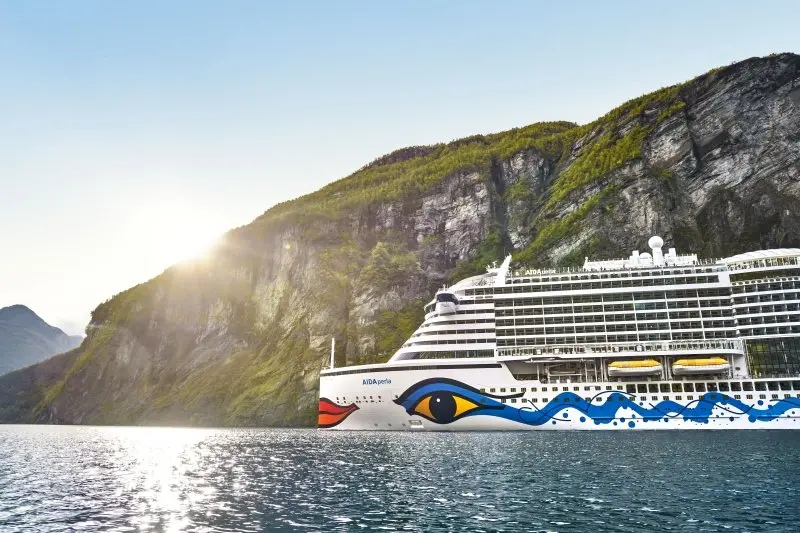
The change is driven mostly by Northern Europe. CEO Josh Weinstein told analysts that guest demand keeps rising for cooler-weather sailing: hiking, the Norwegian fjords, and Northern Lights viewing all came up as drawcards. Rather than adding ships overall — capacity growth is relatively flat — the company is moving existing tonnage toward what it sees as the best opportunities.
The numbers back that up. In the third quarter of 2027, Europe will hit 47 percent of Carnival's capacity, up from 43 percent this year. Weinstein also noted that Carnival now runs more European sailings outside the Mediterranean than in it, with itineraries stretching from the Baltic and Sweden to Iceland and the fjords. Northern Europe is the home territory, as he put it, for the group's German, British and Italian cruise brands — which include lines like AIDA, P&O Cruises and Costa.
There's a practical bonus for travellers: longer seasons. Weinstein pointed out that Northern Europe offers more shoulder-season flexibility than the Med, so expect sailings spread further into May and September rather than squeezed into high summer. He also suggested that some guests who postponed European trips during this year's spring disruption are simply rolling them into next year, adding to demand.
The Caribbean isn't going anywhere. Carnival continues to invest in its private destinations, Celebration Key and RelaxAway at Half Moon Cay. But Weinstein conceded that roughly 37 percent industry-wide capacity growth over three years has created pricing pressure in the region — which, for travellers, often means deals.
Why should a holidaymaker care? If you've been eyeing a fjord or Baltic cruise, 2027 will bring more ships, more itineraries and more departure ports to choose from, which typically means sharper prices and better cabin availability. Caribbean cruisers, meanwhile, may find the competitive pressure works in their favour when booking. Either way, the world's biggest cruise group is betting its passengers want more of Northern Europe — and the ships are being moved to prove it.