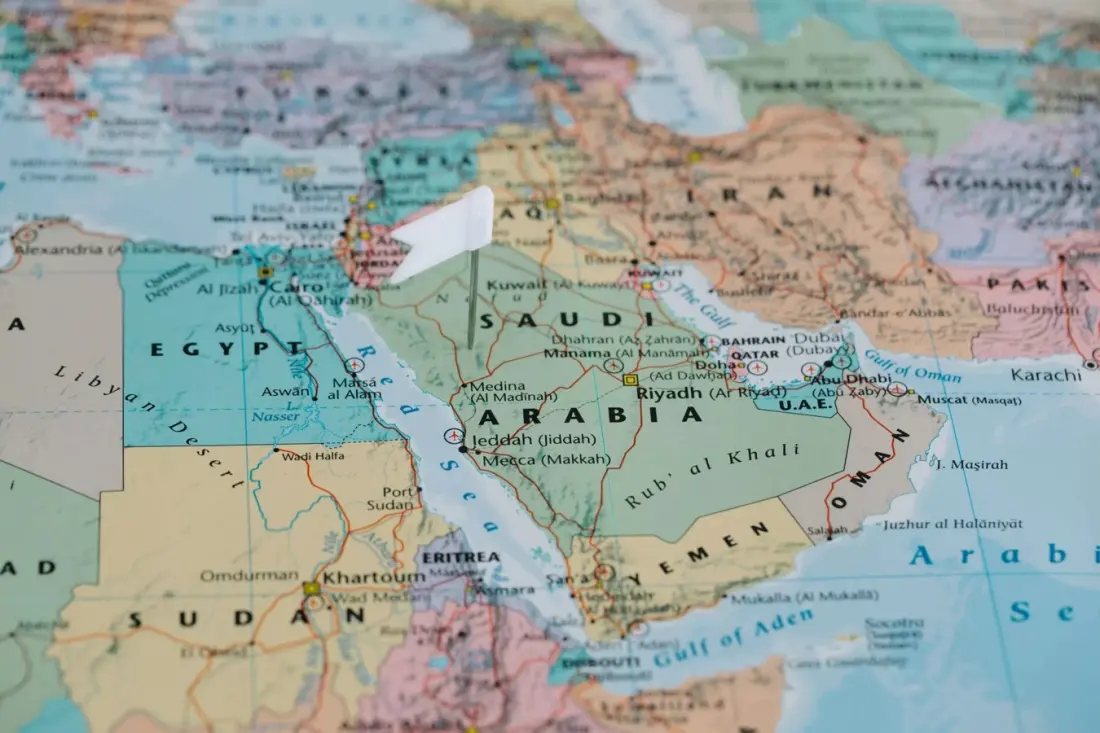
If your flight path crosses the Middle East — and a huge share of journeys between South Africa, Europe and Asia do — the last days of September are worth watching. Several aviation safety advisories covering the region come up for review around 30 September, and how they're handled could shape routes, schedules and connections well beyond the Gulf itself.
The European Union Aviation Safety Agency (EASA) currently advises airlines against operating in the airspace of Iran, Iraq and Lebanon, with separate guidance covering parts of the Gulf, Israel and surrounding skies. The Gulf bulletin is also due for its end-of-September review. But an advisory date isn't a countdown to cancellations: airlines can keep flying where their own risk assessments justify it, so most travellers will notice rerouting and longer flight times rather than grounded aircraft. And when a bulletin lapses, restrictions don't necessarily vanish the next day — EASA can extend or revise its guidance as the situation evolves.
The reason this matters far from the region is simple hub geography. Airports in the UAE, Qatar and neighbouring Gulf states funnel thousands of passengers between continents every day. When airspace closes or narrows, the knock-on effects land on itineraries everywhere: rerouted flights, stretched journey times, schedule shifts and missed connections — even for people whose holiday is nowhere near the Middle East.
Things have already been moving fast. On 24 September, the UAE suspended flights operated by Iranian airlines after new US sanctions targeted companies doing business with Iranian carriers. It's a reminder that the picture can change within a single news cycle.
So what should you actually do? Treat a single pre-trip flight check as outdated the moment you make it. Monitor your airline's app and website regularly — especially in the hours before departure — and don't just track the first leg of your trip. If your connection goes through Dubai, Doha or Abu Dhabi, a tweak to one route can ripple across your whole booking, so keep an eye on every segment. Building some slack into your plans, particularly for tight connections or onward travel booked separately, is the sensible move right now. And before heading to the airport, check directly with your airline rather than relying on old information.
Whether you're flying to the Gulf itself or simply passing through on the way to Europe or Asia, the takeaway is the same: stay flexible, stay informed, and assume today's route may not be tomorrow's.