A plan to build one of the world's largest AI data centres on farmland in rural Devon has triggered a fight that goes well beyond usual planning squabbles. At stake is North Devon's UNESCO Biosphere designation — one of only seven in the UK — and, according to local campaigners, a tourism industry that depends on it.
The proposal came from Xlinks, a British energy company, first floated in June. The campus, paired with battery storage, could sprawl across 343 hectares of farmland between Great Torrington, Huntshaw and Weare Giffard, with a reported price tag of around £13 billion and a promised 1,200 new jobs. Residents have reacted fiercely, packing public meetings and protesting outside Torridge District Council under the banner 'Say No to the Devon Data Monster'.
UNESCO has now weighed in, if carefully. A spokesperson said the organisation won't formally comment on the proposal, but that a development of this scale in the Biosphere's Transition Zone — land set aside for sustainable activity — would feed into how the area's continued designation is assessed. Biospheres are reviewed every ten years against the Man and Biosphere programme's criteria, and sites that no longer qualify can be stripped of the status altogether.
That's the scenario worrying Steve Crowther, chair of environmental group Devon CPRE. He calls losing the Biosphere label a 'massive blow' to local tourism, on top of what he describes as one of the world's three largest data centres and Europe's largest battery assembly looming over a cherished rural landscape. His group says people across the UK are signing its Register of Objectors in droves.
Xlinks, for its part, says the version of the project Devon CPRE describes is out of date and won't form part of its planning applications. But the company hasn't published its revised plans yet, so locals — and travellers — are left guessing about what might actually be built.
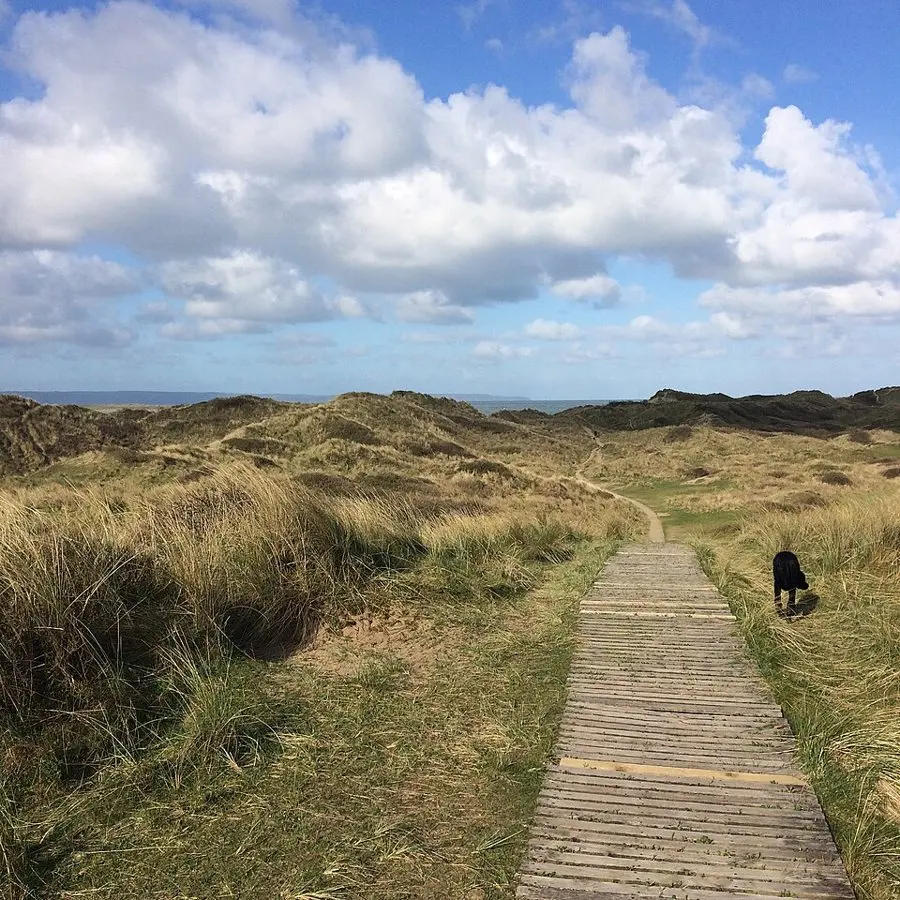
Why should holidaymakers care? North Devon's Biosphere badge isn't just a plaque. It signals to visitors that the coastline, estuaries and countryside around places like the Tarka Trail and the rugged north coast are managed with sustainability in mind, and it underpins the area's appeal to walkers, surfers and slow-travel types. Losing it would dent the region's marketing and credibility, even if the beaches themselves stay put. The outcome is also a test case for whether huge AI infrastructure projects get green-lit in protected British countryside — a question likely to repeat elsewhere.
For now, the project remains in an early phase, with consultations promised before any planning application goes in. Watch this space if North Devon is on your list.