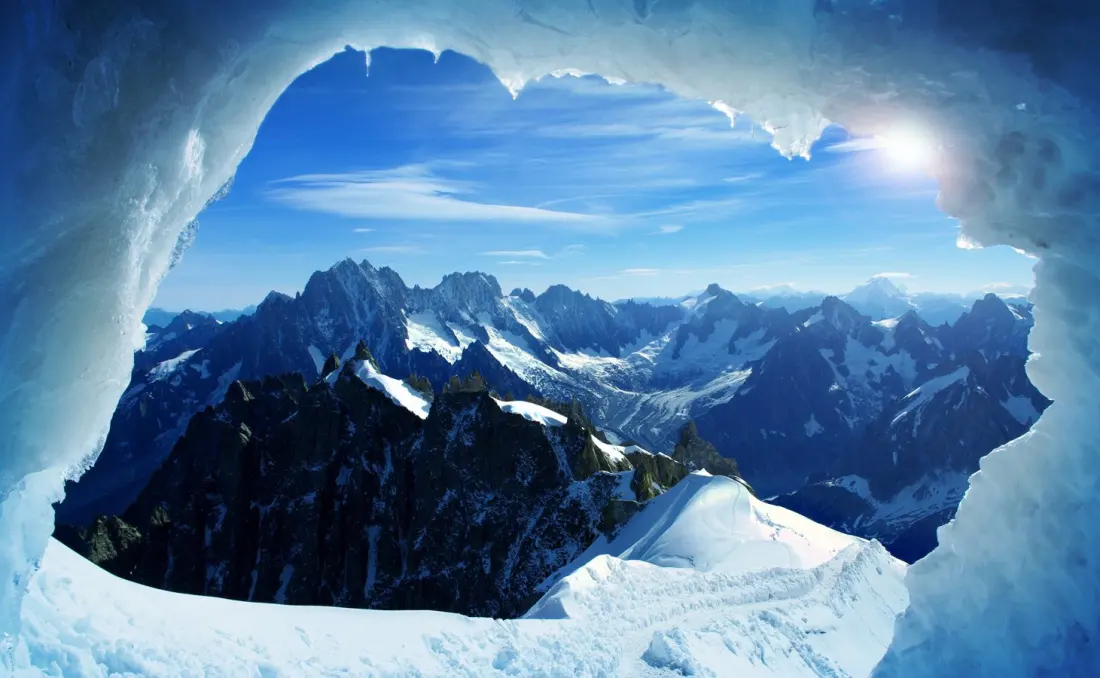
Mont Blanc pulls in huge numbers every summer, but most visitors stick to the same handful of viewpoints and never see the quieter side of Western Europe's highest peak. Base yourself in Chamonix and there's a whole network of lesser-walked paths and hidden corners waiting if you're willing to look past the summit itself.
The classic move is the Tour du Mont Blanc, the long-distance loop that circles the entire massif and crosses through France, Italy and Switzerland. It's famous for a reason — the viewpoints along it are among the best in the Alps — but it's far from the only option. More experienced hikers can try the Col du Tricot variant, which is a step up in difficulty. For those with a head for heights, there's the Smuggler's Route along the Refuge Plan glacier: genuinely narrow, high-path stuff that will unsettle anyone who doesn't love exposure. Choose honestly based on your ability; a slower, easier route beats a white-knuckle slog you're not ready for.
Practical prep matters more here than in most mountain regions. Boots and layered clothing are essential, even outside winter, and sun protection is easy to underestimate at altitude. If you're new to alpine hiking, a guided Mont Blanc tour removes a lot of the guesswork and risk — several of the higher routes need proper equipment and mountaineering experience, so don't wing it.
One thing that surprises many travellers is how distinct the local culture is. This corner of Haute-Savoie was historically hard to reach, and it developed food and traditions quite different from the rest of France. Rather than eating wherever is closest to the trailhead, research restaurants in advance and make the effort to talk to people — a few words of French go a long way toward unlocking the more authentic side of the region.
Then there's the wildlife. Alpine choughs, buzzards and eagles patrol the skies, while chamois and marmots graze the slopes. Timing is everything: these animals tend to show up early in the morning or late in the day, and a knowledgeable guide dramatically improves your odds of a sighting.
Logistics are straightforward. The trails themselves are free and open year-round, though conditions dictate what's realistic — June to September is prime hiking season, while winter favours skiers and experienced alpine travellers. If you want the big-view payoff without the legwork, the Aiguille du Midi cable car from Chamonix runs roughly €60–€83 return for adults in 2026 depending on the date. You can fill anything from a half day (viewpoints and cable car) to a full multi-day trek (sections of the Tour du Mont Blanc).
Who is this for? Anyone who wants the postcard drama of the Alps without queueing for it — fit hikers looking for an alternative to the crowded classic routes, and travellers happy to trade a little comfort for genuine mountain culture, local cheese and a marmot sighting before breakfast.