Puerto Vallarta — or "Vallarta", or just "PV" to regulars — has been quietly doubling as a holiday spot and a hometown for decades. The Pacific resort city on Banderas Bay first shot to international fame when Night of the Iguana put it on the map in the early 1960s, and it hasn't looked back. Today it's one of Mexico's fastest-growing cities, drawing wealthy long-time expats, an expanding wave of baby-boomer retirees, and increasingly younger foreigners setting up homes and even businesses there.
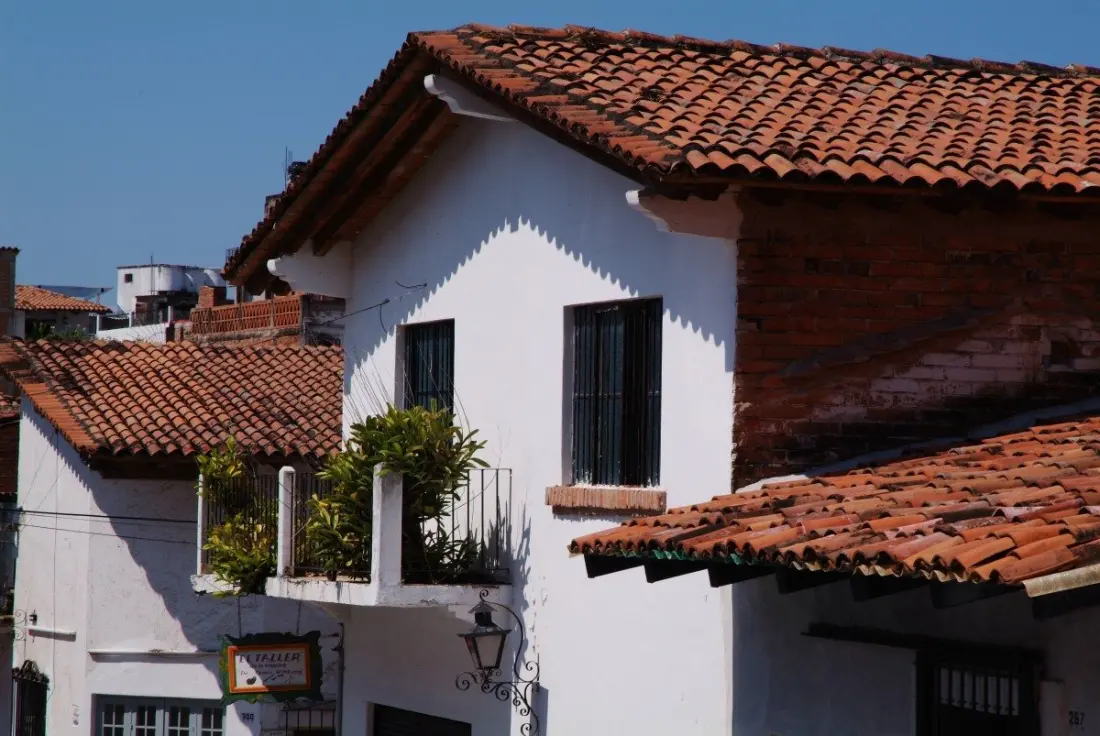
What keeps people coming back — often permanently — is the combination. The old town retains a genuinely Mexican feel: cobbled lanes, narrow streets, red-tiled roofs and local neighbourhoods untouched by the resort machine. Yet a decade-plus of population growth has pulled in serious commercial investment, so residents get US-style comforts alongside the colonial charm: big-box stores with imported goods, modern malls, cinemas, solid restaurants and private clinics offering US-standard care. Roughly half the local workforce depends on tourism, but the economy is broader than sunbeds — fishing in the bay, citrus, mango and avocado farming, cottage industries like boat building, and a growing e-commerce and knowledge-work scene in Jalisco.
The climate does a lot of the selling. Annual averages sit around 27C, with mild winters (16–25C from January to March) and an autumn — October to December — that many locals consider the sweet spot once the humidity drops. July and August are the hot, sticky months, which is exactly when a chunk of residents decamp and return in late September. Rain falls between May and October, and while Pacific hurricanes can threaten, the huge bay is said to shelter the town from most of them.
On property, the story has two chapters. Prices surged from the mid-1990s to 2007, pricing some central areas out of modest budgets, but the subsequent market correction stalled rises — which, the argument goes, makes now a reasonable entry point for a long-term commitment. Where to look depends on taste and budget: the old town for character, Nuevo Vallarta ten minutes north of the airport for its marina and convenience, and Punta de Mita further north for exclusive luxury (it's home to one of the Four Seasons' two Mexican properties). Areas within a forty-minute drive of the centre offer cheaper land and homes with mountain or ocean views. Rentals are found through local agents, owners listing online, or even café noticeboards in the neighbourhoods themselves.
Who's this for? Anyone toying with a snowbird plan, an extended remote-work stint or a full retirement in Mexico. Vallarta sits in that rare sweet spot: affordable relative to the US, Canada and Western Europe (though moderate-to-high by Mexican expat-town standards), accessible via direct flights from major US cities, and equipped with real infrastructure rather than just a postcard. For a holidaymaker, it's an easy trip; for anyone eyeing a move, it's worth a long reconnaissance visit in October or November, when the weather shows off its best side.