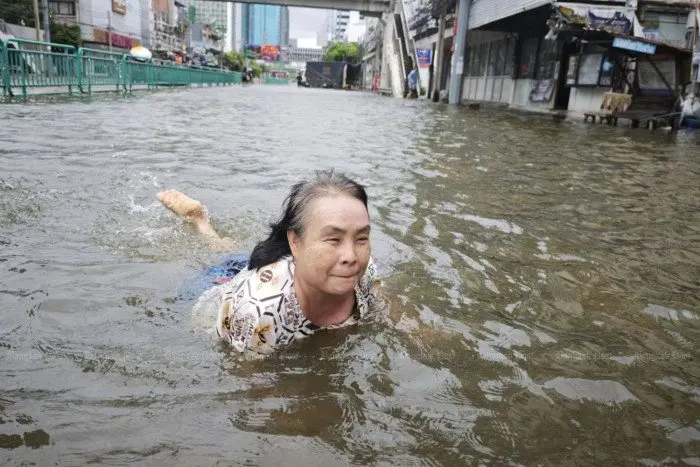
Severe flooding is affecting parts of Thailand right now, and health authorities have issued a clear warning: floodwater isn't just inconvenient, it can make you seriously ill. The Department of Medical Services has flagged eight main health hazards, and they're worth knowing if you're travelling to or through affected areas.
Deputy director-general Dr Sakan Bunnag says the risks hit hardest among children, older people, pregnant women and anyone with existing health conditions. His core advice: don't self-medicate and hope for the best — get checked early if something feels off.
So what are the eight? Respiratory infections like flu, Covid-19 and pneumonia spread easily in crowded shelters. Contaminated food and water bring gastrointestinal trouble — diarrhoea, food poisoning, dysentery and typhoid — so stick to clean water and freshly cooked food. Then there's leptospirosis, the rat-borne disease you can catch simply by wading through contaminated water; a high fever with severe muscle or calf pain and red eyes afterwards is a red flag. Prolonged soaking can also trigger fungal infections and blisters on the feet, which is why boots or fully enclosed footwear matter. Conjunctivitis, or pink eye, spreads through dirty water and poor hygiene. Standing water becomes a breeding ground for mosquitoes, pushing up dengue fever risk around shelters and flooded neighbourhoods. Physical hazards are real too: floodwater can hide electrical dangers, sharp debris and venomous animals, so switch off your home's circuit breaker if water is coming and never handle appliances with wet hands. Snakes sometimes move into houses as the water rises. And finally, the disruption and losses that come with flooding take a mental toll — authorities encourage people to rest and talk to family, friends or health professionals if stress or insomnia start to bite.
The aftercare routine is simple: wash your feet with soap after any contact with floodwater, dry them properly and keep wounds clean. Seek medical help fast if you develop a high fever after wading through water, especially alongside severe diarrhoea, swollen or pus-filled wounds, difficulty breathing, or eye symptoms.
Why should holidaymakers care? Because flooding doesn't just close roads — it changes how safe it is to walk around, eat and drink in affected provinces. If you're travelling in Thailand during the wet season and your route crosses a flooded area, treat the water as contaminated, wear closed shoes, load up on mosquito repellent, and skip the wading unless it's genuinely unavoidable. And if you do get sick in the days after exposure, don't tough it out — Thai hospitals are used to dealing with this and early treatment makes a real difference.
This list is a useful checklist for anyone travelling in Thailand during monsoon season or visiting friends and family in affected communities — a reminder that flood safety is as much about health as it is about getting from A to B.