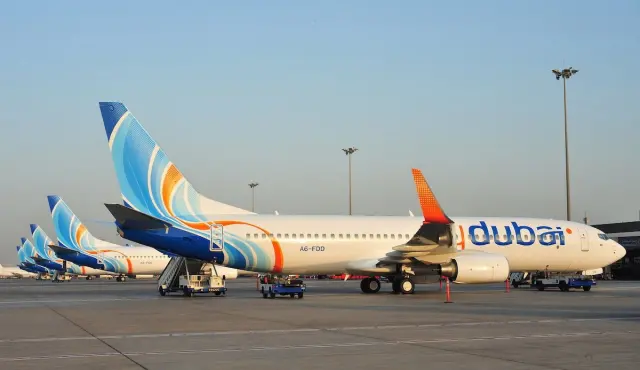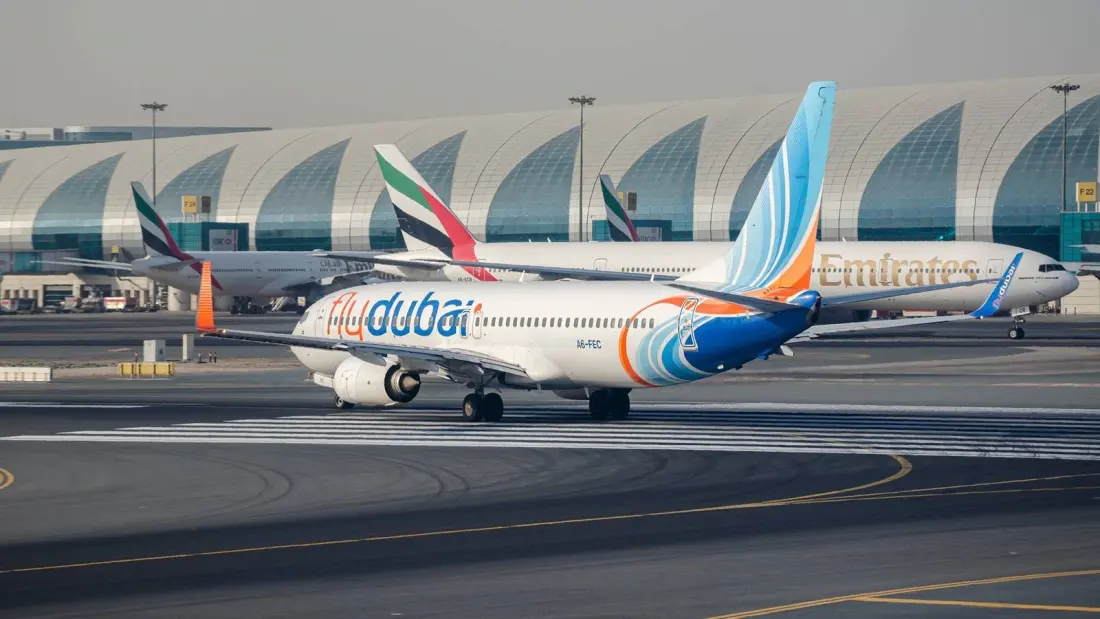
A flight from Dubai to Tel Aviv turned into every traveller's worst scenario when the co-pilot attacked the captain with the cockpit crash axe and allegedly tried to seize control of the Boeing 737 MAX 8. UAE prosecutors are now treating the incident on flydubai flight FZ1073 as an attempted terrorist attack.
The aircraft dropped more than 14,000 feet in under 30 seconds, with flight tracking data showing descent rates of up to 31,000 feet per minute and ground speeds climbing from roughly 400 knots to nearly 600. Despite the captain sustaining serious wounds, he managed to unlock the cockpit door from the floor of the flight deck, letting passengers and crew overpower the attacker. The plane, carrying 174 passengers, diverted safely to Tabuk in Saudi Arabia. Images taken afterwards show a large chunk of the rudder missing. US President Donald Trump credited the 737 MAX's structure with withstanding forces far beyond its design limits, and reports say a passenger describing himself as an Israeli plumber helped pull the jet out of its dive — inspired, he says, by watching air crash investigation shows.
The bigger question for the industry is how the co-pilot got there at all. The attacker, identified as Omani national Hamam al-Hammami, was reportedly barred from flying at his previous employer, Oman Air, after surveillance flagged visits to radical websites. He then moved to Royal Air Maroc before flydubai hired him roughly eight months ago. Israel requires pilots from countries without diplomatic ties to stay out of its airspace — and Oman has no formal relations with Israel, so investigators are now probing how he was rostered on the Tel Aviv route at all. Israeli Prime Minister Benjamin Netanyahu said the co-pilot had undergone Islamist radical indoctrination and shouted for the crew to kill him after being subdued.
At the request of authorities, flydubai has suspended all flights to Israel pending the investigation. Israeli carriers including El Al continue to serve the route, and travellers with existing flydubai bookings to Tel Aviv should check directly with the airline for rebooking or refund options.
For holidaymakers, the practical takeaway is simple: this route is in flux, so anyone flying between the Gulf and Israel in the coming weeks should expect schedule changes. Beyond that, the story is a reminder of why crew and passenger action matters — a wounded captain and quick-thinking passengers almost certainly prevented a far worse outcome. Most flyers will never face anything remotely like it, but knowing that cabin crews train for exactly these scenarios, and that cockpit access protocols held, is worth a moment of appreciation next time you board.