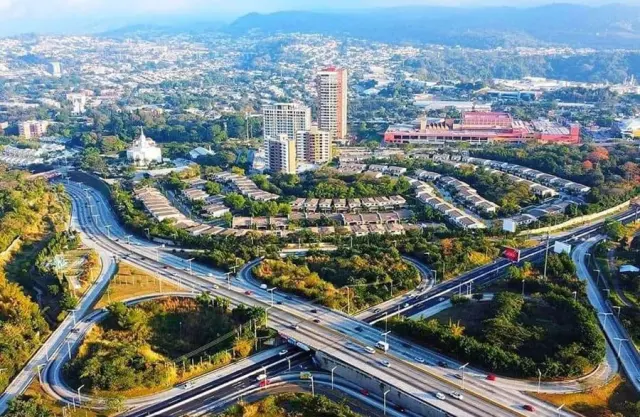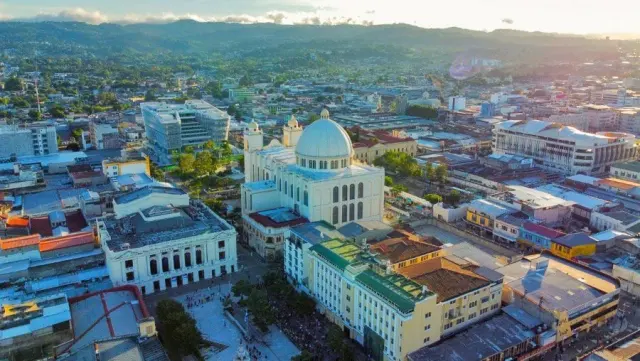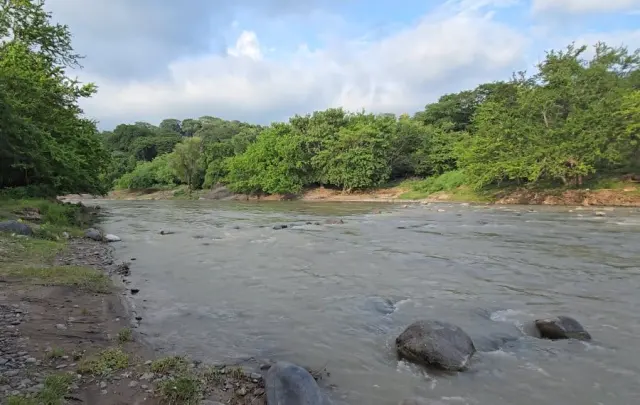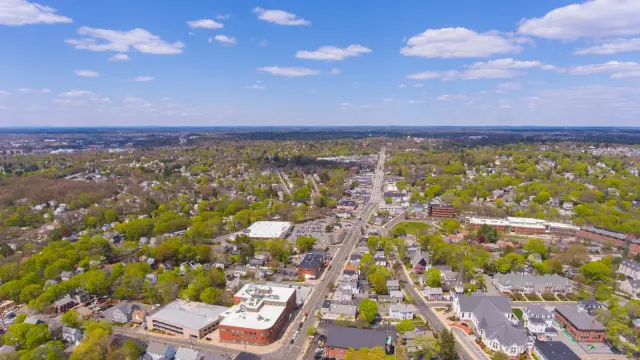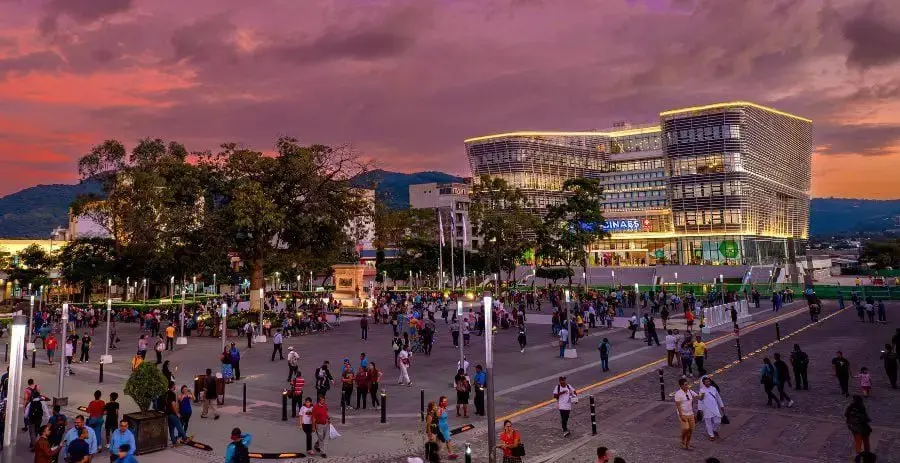
El Salvador has quietly become a relocation option for a surprising mix of people: retirees chasing warm weather and beach towns, foreign professionals taking jobs in business, entrepreneurs, and plenty of Salvadorans moving back home after years in the United States. The country's selling point is its size — within a couple of hours you can get from volcanic highlands to Pacific surf towns to a major city, no domestic flights required.
The practicalities matter more than the postcard. Visa rules depend on your nationality and reason for staying, and temporary residency needs renewing while permanent residency offers more long-term stability. Anyone serious about moving should check current requirements with Salvadoran immigration authorities or an immigration lawyer before booking anything, since procedures and fees change.
Where you settle shapes everything. San Salvador and its metro area put you near private hospitals, shopping, universities and government offices, but rush-hour traffic can turn short trips into long commutes. Santa Ana offers a livable second-city option with commercial districts and healthcare, while San Miguel and Sonsonate each have their own local feel. The coast around La Libertad draws people who want beaches and restaurants on the doorstep — though oceanfront living means planning for humidity, salt air and the rainy season. Rural towns are quieter and cheaper, but specialised healthcare, reliable internet and public transport can be thin on the ground.
Housing advice from people who've done it: rent first. It lets you test a neighbourhood before committing to a purchase, and buying in El Salvador involves checking ownership records, boundaries and existing debts on the property with a qualified lawyer. Before signing any lease, walk the property and check water supply, wiring, internet and who covers repairs.
Healthcare runs on two tracks — public institutions and paid private clinics — with big cities holding most of the specialist facilities. If you live outside the metro area, expect to travel for some treatments. Verify how your insurance actually works in-country, and if you take regular prescriptions, confirm availability locally before you move.
The honest downsides: utilities can be patchy in some communities with occasional power or water cuts, public services don't work like they might back home, and without Spanish, everyday errands get frustrating fast. Basic language skills are described as essential, not optional.
The strongest piece of advice for anyone considering the leap is to spend extended time in a few different areas before committing — living somewhere for a few weeks reveals things a holiday never will, from how a street changes after dark to whether a clinic is actually within reach.