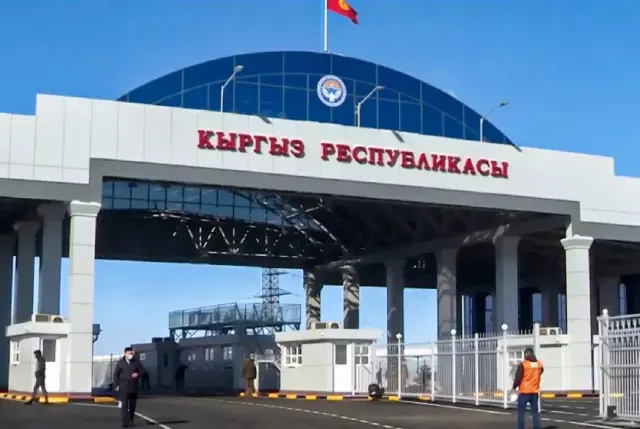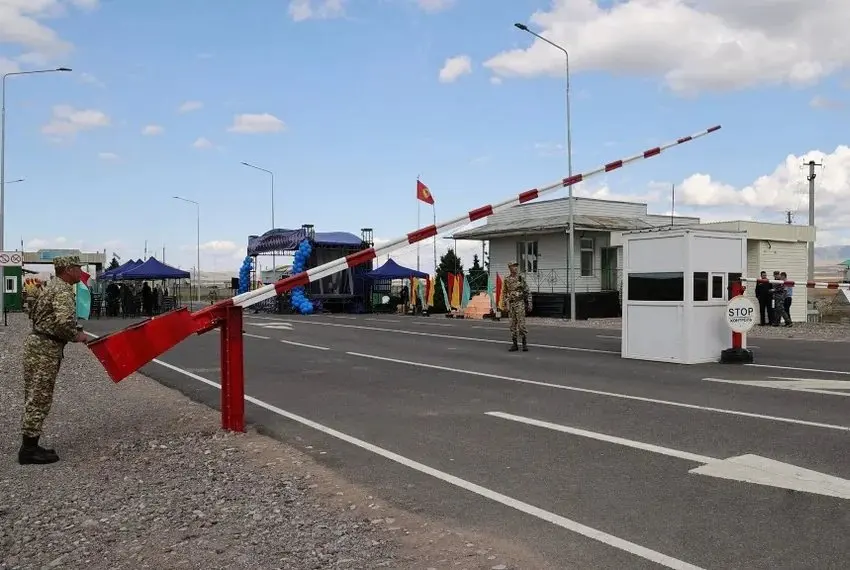
Getting between Kyrgyzstan and Uzbekistan by road is about to get easier. Kyrgyzstan's ambassador to Uzbekistan, Duyshonkul Chotonov, told a parliamentary committee that the number of official border crossing points between the two countries is set to rise from 25 to 30.
For context: a protocol signed back in 2004 allowed for just 15 crossings along the shared border. That number was doubled to 30 after a visit by the Uzbek president to Bishkek, and 25 checkpoints are now working. The Border Service is finishing work on the remaining four.
The bottleneck everyone talks about is Dostuk. Heavy traffic means lorries and cars can sit in queues there for up to 12 hours — a serious drag on both trade and anyone driving the popular Osh-to-Tashkent corridor. To relieve the pressure, officials are weighing up a brand-new crossing between Kara-Suu on the Kyrgyz side and Khanabad in Uzbekistan, two towns that sit close together near the busy Fergana Valley artery.
Why does this matter for travellers? The Fergana Valley is one of Central Asia's most rewarding but logistically fiddly corners, split between the two countries with roads that cross the border multiple times. More crossings and shorter waits mean overland routes like Osh to Khujand or the classic Kyrgyz-Uzbek loop (Bishkek, Osh, Tashkent, Samarkand) become far more practical. Twelve-hour border waits have long been the main reason travellers fly over the region instead of driving through it. If the Kara-Suu–Khanabad crossing opens, it could become the go-to gateway for the valley, taking pressure off Dostuk, which handles much of the current vehicle traffic.
The pace of change is notable. Two decades ago the border was one of the most tightly controlled in Central Asia; now the two governments are actively adding capacity. Cross-border bazaars like the one at Kara-Suu draw shoppers from both sides, and visa-free or simplified entry regimes for many nationalities have already removed the paperwork headache. Physical infrastructure was the last bottleneck.
Nothing here is finished yet — four checkpoints are still in progress and the new crossing is under consideration, not confirmed. But for anyone planning a Central Asia overland trip in the next couple of years, the direction of travel is clear: fewer queues, more routes, and a Fergana Valley that's finally straightforward to explore on wheels.