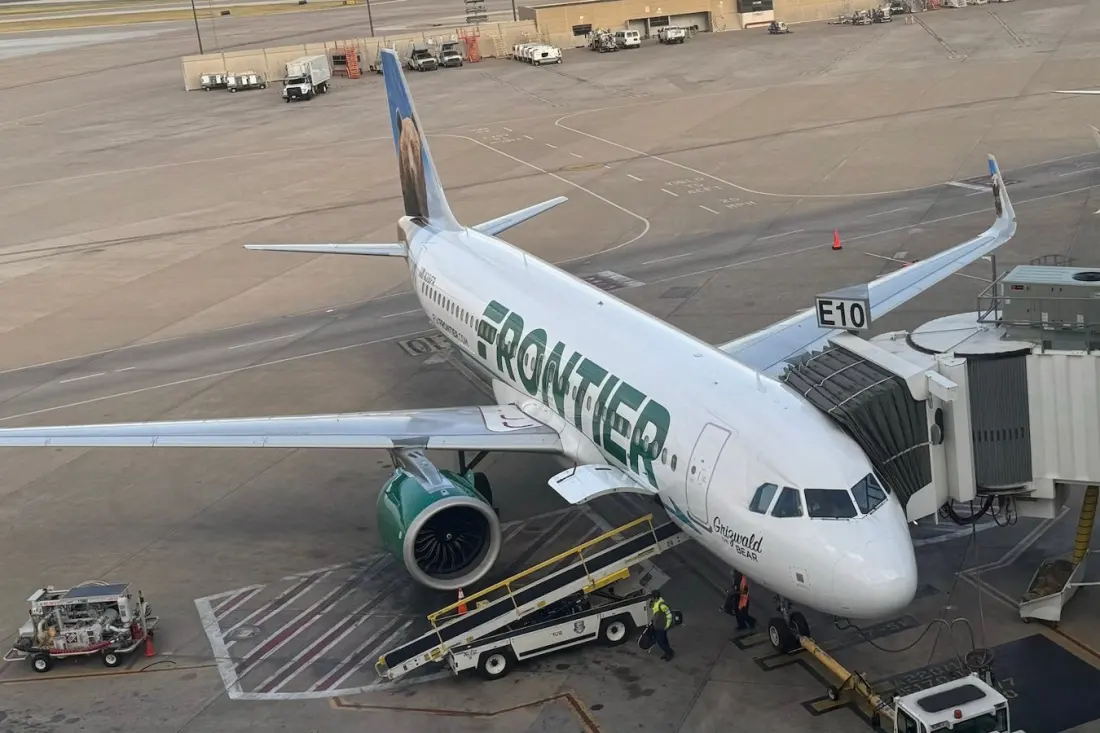
Budget flying is losing its budget reputation. Frontier Airlines' latest quarterly filing shows passengers paid roughly 71% more in base fares between July and September than a year earlier — a striking jump even by the standards of an industry where September ticket prices climbed about 22% overall.
On its earnings call, CEO James Dempsey split the blame three ways: about a third fuel, a third better revenue management, and — crucially for travellers — a third down to the disappearance of Spirit Airlines, which ceased operations in May. The two carriers once overlapped on roughly 30% of routes and had even discussed merging. With Spirit gone, Frontier has been quietly absorbing its rival's former routes, and executives say more additions are likely. The competitive pressure that kept ultra-low fares alive is fading.
Fuel is the other half of the story. Carriers have been passing on the highest jet fuel costs in years, and travellers have largely kept paying: Frontier's planes flew nearly as full as last year despite the price surge, and American Airlines has said outright it is prioritising higher fares over filling every seat. Delta's Ed Bastian signalled the trend is deliberate — the industry's test, he said, is sustaining the revenue it has created even once fuel prices fall. Thanksgiving fares, per Cirium data, are running about 30% above last year, so holiday travellers are feeling this directly.
Frontier itself still posted a $104 million quarterly loss despite record passenger revenue, and it hasn't turned a full-year profit since 2019. Its response is a pivot upmarket: first-class recliner seats will start being installed "imminently" and should go on sale for flights departing by early spring, with Frontier Miles elite members eligible for upgrades. Then, early next year, the airline begins fitting Starlink Wi-Fi — a first for the carrier, which currently offers no onboard internet. Whether it will be free, as United, Alaska, Southwest and American have pledged for their loyalty members, is the open question for a carrier that traditionally charges for everything.
Why it matters: if you've been waiting for ultra-low-cost competition to drag fares back down, the structural reasons for cheap tickets are eroding — fewer budget rivals, disciplined pricing and a premium push at the discounters. For now, the practical moves are the familiar ones: book holiday travel early, be flexible on dates, and watch loyalty programmes, since elite status may soon buy you more than a slightly wider seat on a budget airline.