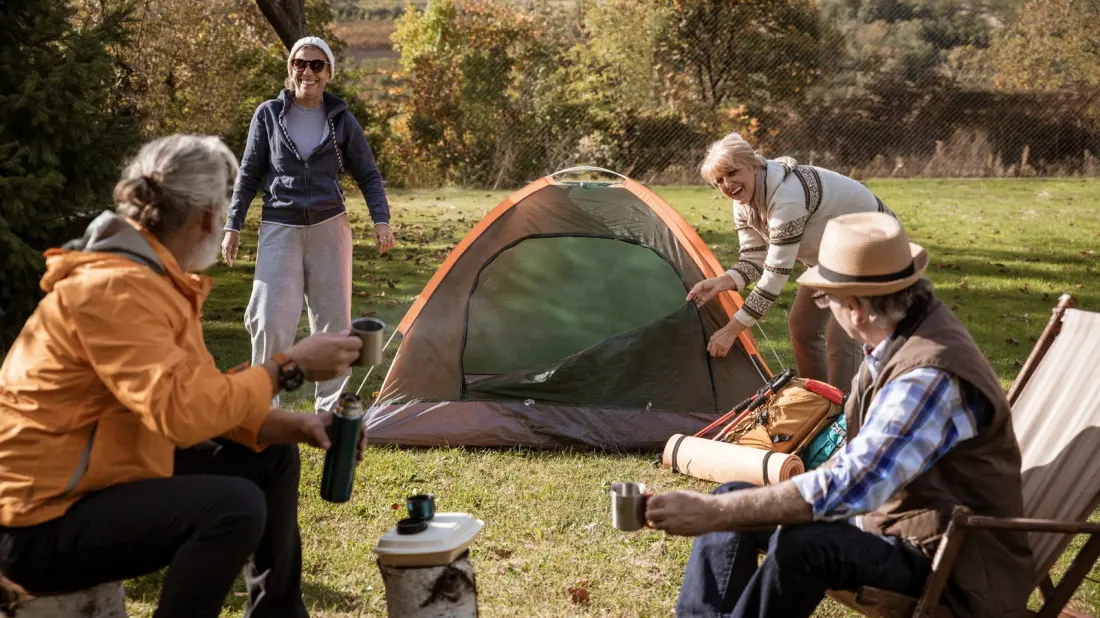
There was a time when the flicker of a gas lantern was the defining sound and sight of a family camping trip. For baby boomers — born between 1946 and 1964, during America's post-war camping boom — fuel-powered lanterns were standard kit, sitting alongside surplus military canvas tents and shiny new Airstream and Shasta trailers at campsites across the country. Today, you'll rarely spot one, and the reasons say a lot about how camping itself has changed.
The shift comes down to convenience and safety. Modern LED lanterns weigh just a few ounces, offer adjustable brightness settings, and — crucially — carry no open flame or exhaust, making them safe inside a tent. Fuel lanterns running on white gas, butane or propane are bulkier to pack, generate serious heat, and need careful handling. Brands like Coleman still make them, but battery models have clearly won the numbers game.
Battery power isn't perfect, though. Rechargeable lanterns are great until you're three days off-grid with nothing to plug into. Solar-equipped models help, but cloudy weather can stall charging, and running a lantern on its highest brightness drains batteries faster than most people expect. It's worth checking a manufacturer's runtime estimates before committing.
So why bother with fuel at all? Plenty of campers still prefer the warm, natural glow of a gas flame over the cool, phone-screen-like light of LEDs. Fuel lanterns also throw out far more light, which suits big group campsites. And there's a growing appetite for analog camping generally — the author recounts a campground where a neighbour watched movies on a giant inflatable screen at full volume, and asks the fair question: why camp at all if that's the plan? For anyone chasing the slower, campfire-and-stars style trip their grandparents took, a fuel lantern is part of the aesthetic.
If you do go the fuel route, treat it seriously. Never use one inside a tent or enclosed space — carbon monoxide risk is real and deadly. Keep it on stable ground away from children and pets, expect the housing to get hot, and check local fire rules first, since open-flame lanterns are banned in some areas, especially in dry conditions. A sensible setup is a fuel lantern for the picnic table and a battery or solar model for the tent.
Whether you're a nostalgia-seeker or just want the brightest light on the campsite, both options have a place — it's really about matching the gear to the kind of trip you want.