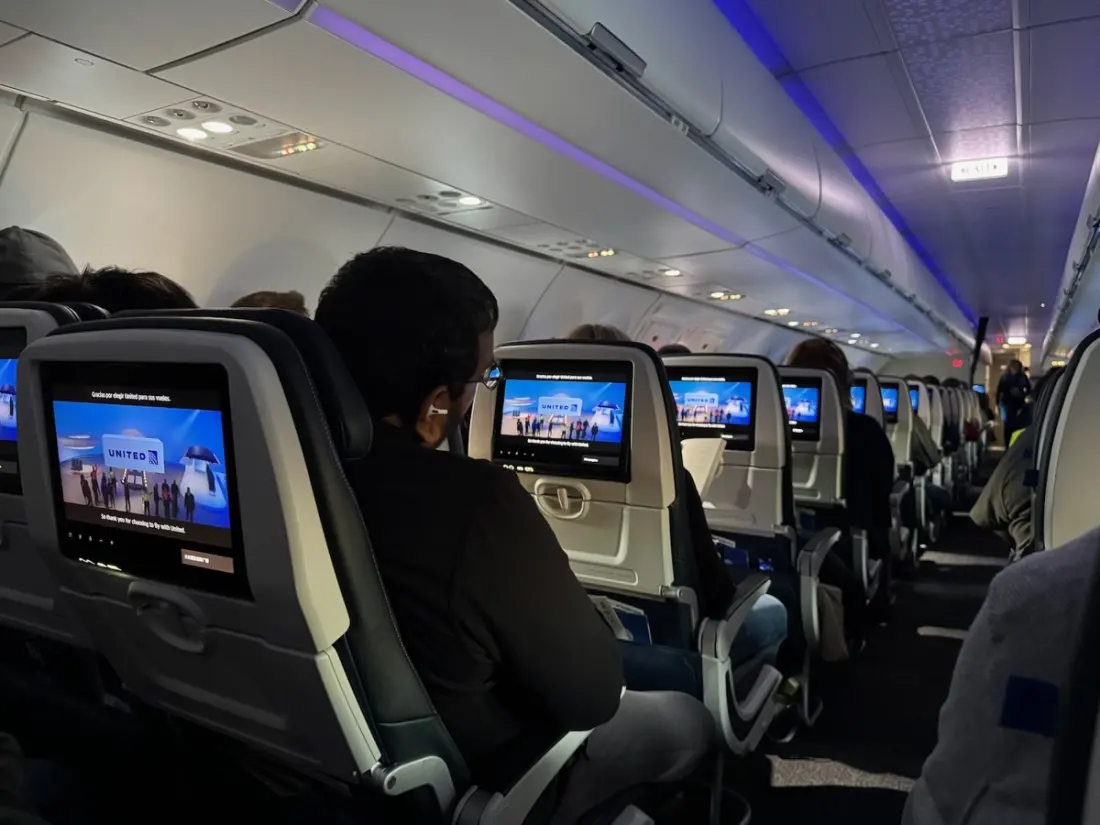
Miss a connection on United and you might get an unexpected email a month later — not an apology, but an upgrade. The airline has been quietly moving some passengers into Economy Plus seats on future flights, free of charge, as a way of acknowledging that their last trip went badly.
One recent example made the rounds via aviation insider JonNYC: a traveller who had missed a connection received a message before their next United flight reading that the airline knew their previous experience "may have faced some challenges" and wanted to make the journey more comfortable. They were then moved into Economy Plus — the extra-legroom section United normally charges for — despite having no MileagePlus elite status at all.
The mechanics here are what make it interesting. The system appears to link an earlier disruption to a later reservation, then checks whether the upcoming flight is lightly booked. If an Economy Plus seat would otherwise fly empty, assigning it to a previously inconvenienced passenger costs United essentially nothing while delivering something the passenger genuinely values. Reports of similar gestures go back to at least 2025 — one United Silver member got an Economy Plus seat after an eight-hour delay, on top of a $75 travel credit already issued.
Don't count on it as a right, though. This is not a published benefit, and United hasn't said what qualifies — how severe the disruption needs to be, how empty the flight must be, or whether your fare or travel history factors in. That vagueness is deliberate: the moment it becomes an expectation, it stops feeling like a gesture.
There are wrinkles worth noting. An Economy Plus assignment isn't first class — service is identical to standard economy, just with more legroom. And the seat you're moved to might not match your preference; a regular economy aisle passenger shifted into an Economy Plus middle won't necessarily be thrilled. Elite members who were enjoying an empty neighbouring seat may also grumble when a "recovered" passenger appears beside them.
Still, the broader approach is the real story. Airlines already hold all the data — they know when your flight was delayed, when you were rebooked, and what you have booked next. Yet passengers typically have to re-explain all of it in a complaint. United seems to be pointing that same data at the problem proactively, in the same spirit as its ConnectionSaver tool, which holds flights briefly when connecting passengers can make it, and its app feature that monitors earlier flights for at-risk connections without touching confirmed bookings.
For travellers, the takeaway is modest but real: if a United trip goes wrong, keep flying the airline and check your seat assignments before your next flight — a free upgrade might already be there. And more broadly, it shows service recovery doesn't have to mean miles or vouchers. A better seat, explained clearly and linked to what went wrong before, can land harder than another automated sorry.