Guyana has never hosted the Caribbean Tourism Organization's flagship State of the Tourism Industry Conference — until now. The event lands in Georgetown this October, running Oct. 5-9 under the theme "Tourism Futures: Smart, Sustainable and Inclusive," and President Irfaan Ali will deliver the keynote.
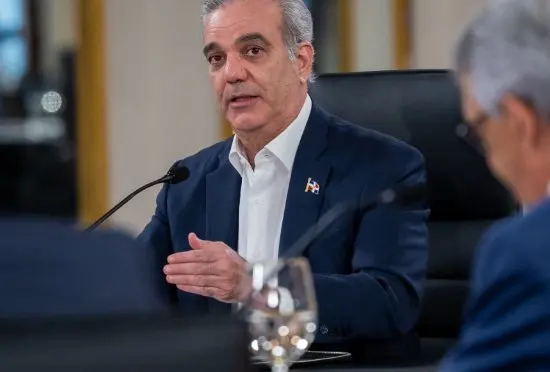
Ali knows the file well: before becoming president in 2020, he was the country's minister of tourism, industry and commerce, and he began a second presidential term in September 2025. His address is expected to tackle where Caribbean tourism goes next — technology, resilience, and how travel can spread economic opportunity more widely across the region. CTO Secretary-General Dona Regis-Prosper has credited his mix of development and sustainable-tourism experience as a key draw for the event.
The conference itself splits neatly in two. CTO business meetings occupy Oct. 5-6, the main program runs Oct. 7-8, and the week wraps with a Regional Tourism Youth Congress on Oct. 8 followed by destination media briefings on Oct. 9. Sessions will dig into tourism data, emerging tech, climate resilience, destination competitiveness and inclusive growth.
For travellers, the bigger story is the country hosting it. Guyana is quietly becoming one of the Caribbean's fastest-moving tourism markets, leaning hard into nature, biodiversity and community-run experiences rather than the usual beach formula — think rainforest lodges, rivers and the famous Kaieteur Falls rather than all-inclusives.Visitor arrivals are climbing, and international hotel brands are betting on the momentum: Marriott opened its third property in Guyana earlier this year, and Hyatt is now entering the market in a big way. Georgetown, the capital, is where most of that hotel expansion is happening.
Who should care? Adventurous travellers who like to arrive before the crowds do. Guyana is English-speaking, culturally tied to the Caribbean, and one of South America's most under-visited corners — a rare combination. The conference won't change your trip directly, but it's a signal that flights, hotels and infrastructure are improving fast, which usually means the sweet spot is now: developed enough to travel easily, not yet overwhelmed by tourism.