A quiet but significant story from Central Asia's biggest labour-migration country: Kyrgyzstan's government says more than 50 children of Kyrgyz citizens have been brought back from abroad this year, many of them from Russia, where hundreds of thousands of Kyrgyz adults work.
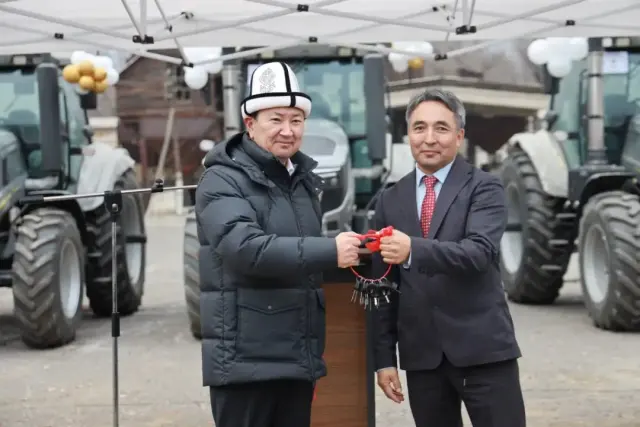
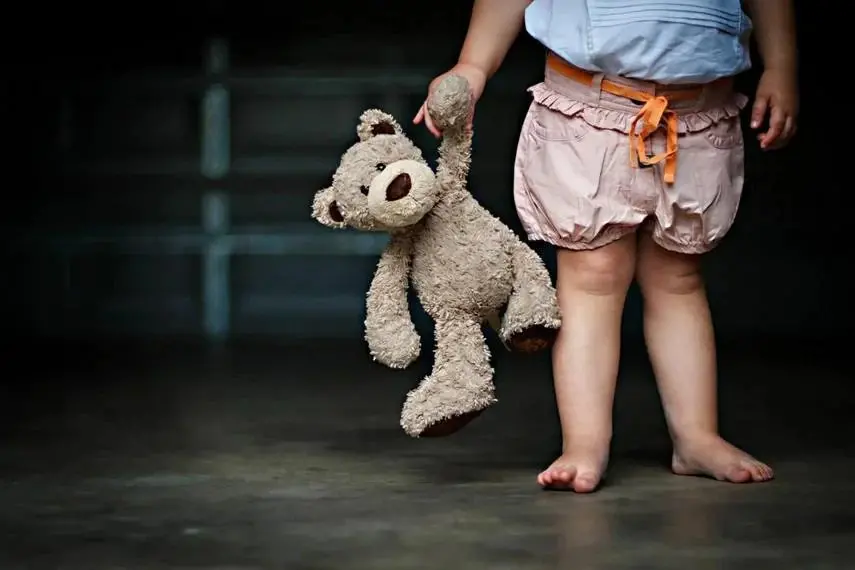
Labour, Social Security and Migration Minister Almaz Imangaziev gave the figures to parliament's International Affairs Committee while reporting on the ministry's performance in 2025 and the first ten months of 2026. The children involved had typically been left in the care of relatives when their parents travelled abroad for work — a widespread arrangement in Kyrgyz families, but one with few legal safeguards.
That gap is what the ministry now wants to close. Working with law enforcement agencies, it is developing a mechanism that would require parents heading overseas for work to formally establish legal guardianship arrangements for the children they leave behind. The idea is to put real legal accountability on the adults actually looking after the kids, and to give the state a clearer way to step in when things go wrong — a child abandoned, neglected, or stranded abroad with no paperwork.
For anyone who has travelled in Kyrgyzstan or spent time in its villages, the context is familiar. Remittances from migrant workers, largely in Russia, make up a huge share of the country's economy, and it is common for one or both parents to be away for years at a time. Kids growing up with grandparents or aunts — and sometimes falling through the cracks — is a recognised social issue, not an edge case. The repatriation programme shows the government willing to intervene directly, coordinating with authorities abroad to bring children back to Kyrgyz soil.
Why cover this on a travel site? Because labour migration is the invisible engine behind much of what travellers experience in Kyrgyzstan: the families running guesthouses on Lake Issyk-Kul while a brother works in Moscow, the empty houses in remittance-funded villages, the money flowing back into homestays and horse-trek businesses. Migration policy shapes the country travellers actually meet. And for the diaspora community itself — Kyrgyz families with ties to both Bishkek and Moscow — this is the news that matters most.
It is also a useful reminder for visitors that Kyrgyzstan is a country in motion. Young people leave; the state tries to pull them, and their children, back. The warmth travellers encounter in a yurt camp or a village homestay often exists alongside families stretched across borders. Coverage via 24.kg.