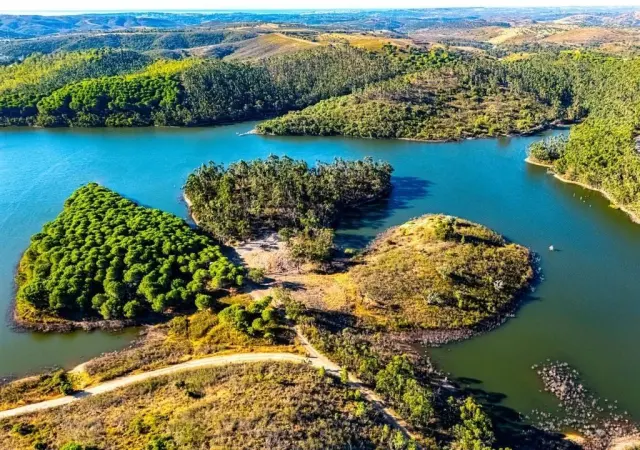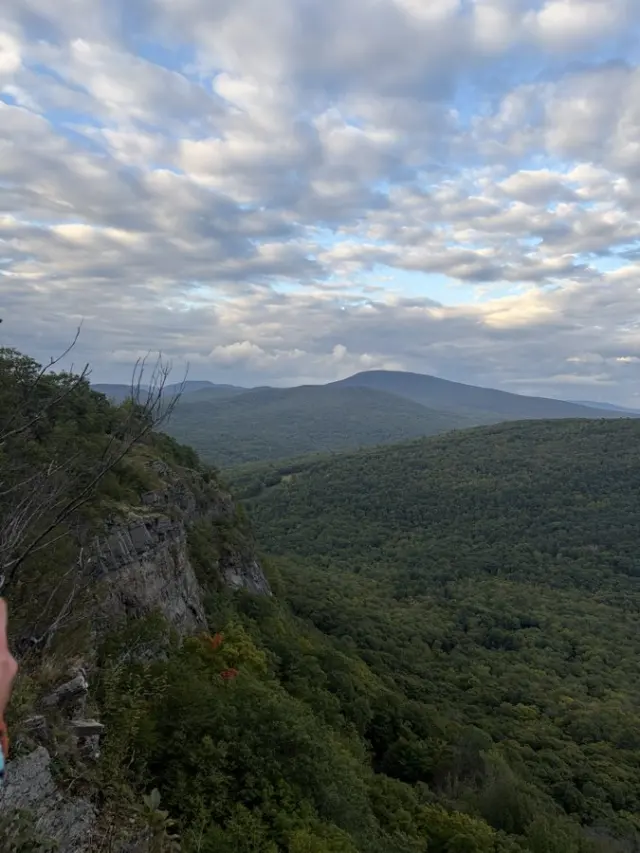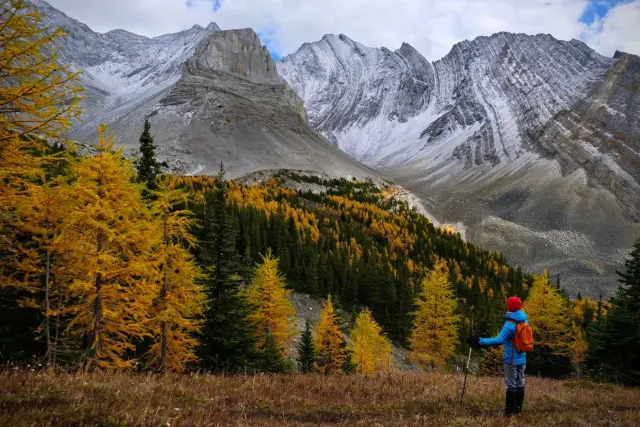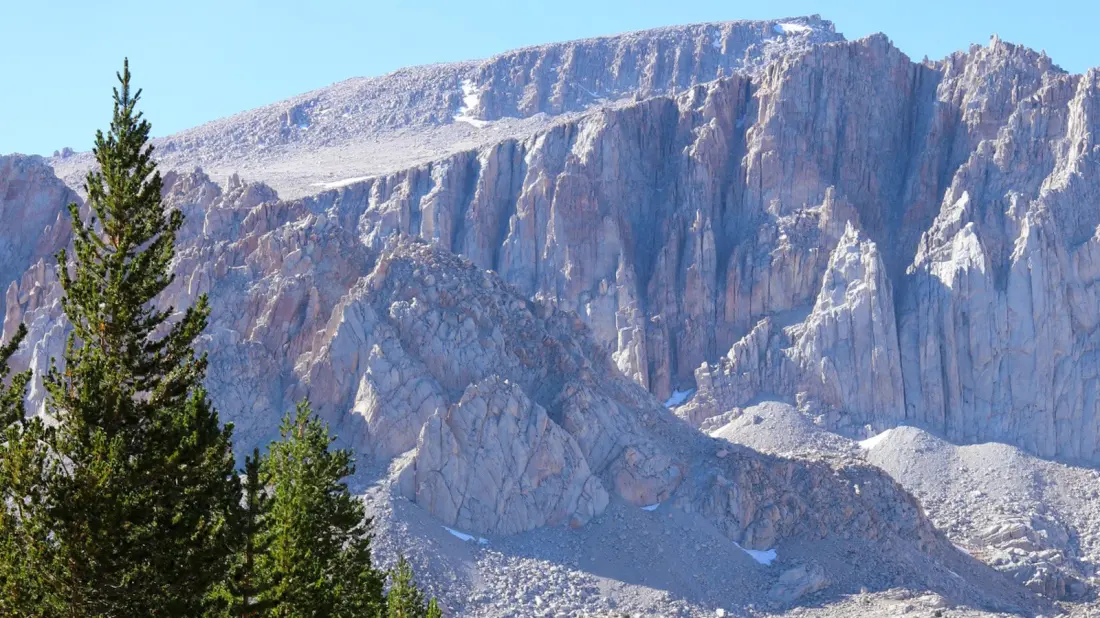
Yosemite gets the crowds; the southern Sierra Nevada gets to stay quiet. Golden Trout Wilderness, spread across more than 300,000 acres on the Kern Plateau at the range's southern end, is one of those rare California wild places where you can hike all day and barely see another person. It sits inside two national forests — roughly 192,000 acres in Sequoia National Forest and the eastern section in Inyo National Forest — so a single trip can take in giant sequoia country on one side and high mountain lakes on the other.
The name comes from the golden trout, California's state fish, a rainbow trout subspecies found naturally only here, which makes the area a bucket-list spot for anglers. Hikers get hundreds of miles of trails, including about 150 miles within the Sequoia portion alone. If you want a proper challenge, the Cottonwood Lake #1 Trail runs just over 10 miles with a leg-burning 1,312-foot climb of switchbacks near the end; expect around five hours. Something gentler? The 4.5-mile Golden Trout Camp Trail follows Cotton Wood Creek through meadows and takes a bit over two hours at a moderate rating. Chicken Spring Lake and Trail Pass are reliable picks for big views.
Wildlife is a big part of the appeal: bears, deer, foxes, bobcats and cougars all live here. Which is exactly why the place demands respect — this is genuine backcountry, not a front-country campground circuit.
Getting there takes commitment. Fresno Yosemite International Airport is the practical gateway, about 4.5 hours away by car, with rentals from roughly $50 a day. Roads to the access points are well maintained, so 4WD isn't essential, but no vehicles are allowed inside the wilderness itself — everything beyond the trailhead is on foot.
Overnight trips need two permits: a Wilderness Permit from the National Forest Service (via Recreation.gov) and a California Campfire Permit, available online through readyforwildfire.org. Dispersed camping means it's possible to camp for free, but there are no facilities whatsoever — no potable water, toilets or hookups, and phone reception is patchy at best. Bring maps and a compass, pack out everything, and follow Leave No Trace. If that sounds like too much roughing it, Horseshoe Meadows Campground offers toilets and potable water as a comfortable base.
For travellers tired of California's queues and parking headaches, this is the state at its most unfiltered — high meadows, trout streams and sequoia-adjacent scenery without the tour buses. It suits experienced hikers, anglers and self-sufficient campers rather than first-time campers, and summer is the window to aim for: the area is technically open year-round, but snow and cold make the rest of the year best left to the well-prepared.