Injury is the thing every long-distance hiker dreads, and a writer on New Zealand's Te Araroa trail has given a frank account of what happens when the walking has to stop. Forced off the route by a stiff, sore ankle, they spent five days parked in one spot — and their log of that stretch is a useful reality check for anyone eyeing up this 3,000-kilometre trek.
The setup: the hiker had just slogged through the notorious Raetea Forest, the mud-soaked Northland section that chews up boots and ankles alike. With a physio appointment pending, they took consecutive "zero" days — trail slang for days where you walk zero kilometres. The first days were productive enough: tent dried out over several days, gear scrubbed, filter back-flushed, resupply boxes planned, and catch-ups with friends from day one of the hike. Then came the harder part. With nothing left to organise, the days stretched out, and the mental toll of sitting still while your months-long walking plan stalled set in.
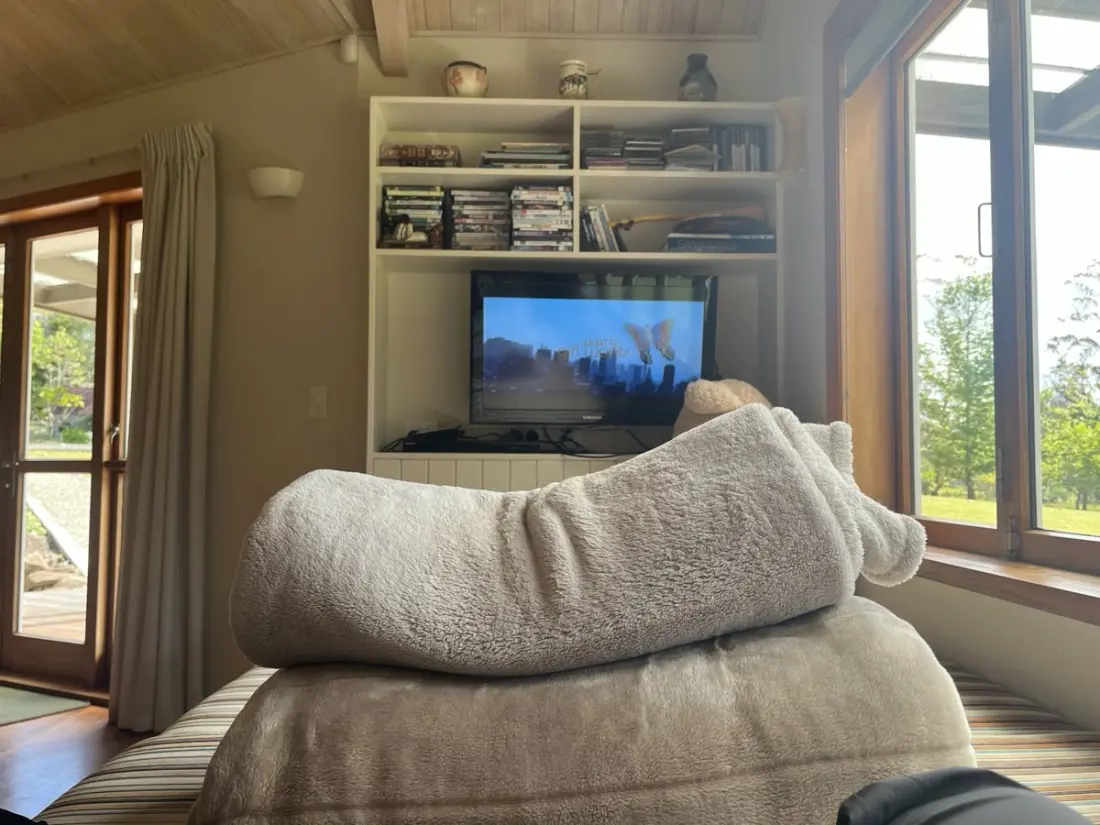
It wasn't all grim, though. The hiker stayed with trail angels — the volunteers and locals who help walkers along New Zealand's long trails — in a self-contained house on their property, fed on fresh produce, eggs, chorizo and leftover pizza, and worked through a stack of nostalgic DVDs. Five days, they note, feels like a hundred when all you want is to be back on the track.
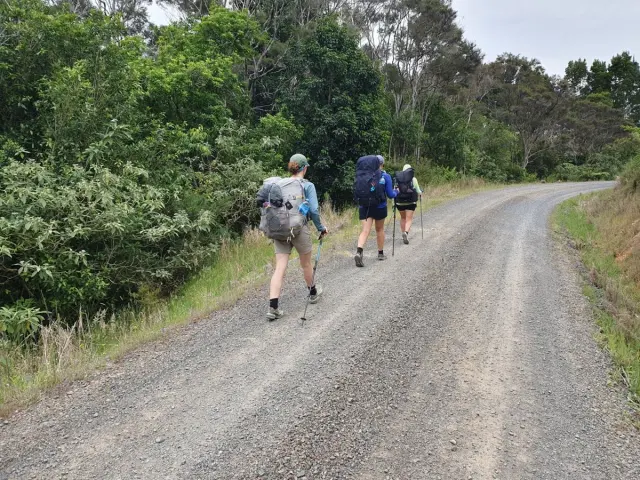
Once the physio gave the all-clear, the restart was deliberately gentle: two short days of roughly 16 kilometres each, mostly road walking on easier terrain, armed with kinesiology tape and tiger balm. The route back to the trail ran through Paihia, in the Bay of Islands, with a stop at the Waitangi Treaty Grounds — the site where the 1840 treaty between Māori chiefs and the British Crown was signed, and effectively where modern New Zealand began. The adjoining museum, the hiker reports, is excellent (and they say that as someone with a doctorate in museum studies).
Why does this matter if you're planning a trip? Because Te Araroa, and thru-hiking in general, is less about heroic daily distances and more about managing your body. The takeaways here are simple and solid: build genuine rest days into your itinerary rather than treating them as failure, budget time for injury recovery without panicking about your schedule, ease back in with short road-walking stages, and lean on trail angels — the network of local hosts is one of the best things about walking in New Zealand. And if you're in the Bay of Islands anyway, Waitangi is well worth the detour, whether you're hiking the trail or just on holiday.