Not every conservation story ends badly. A recent roundup of wildlife news includes rescued orangutans in Borneo, recovering elephants in Southern Africa, an ambitious antelope plan in Kenya, and a surprisingly low-tech fix for bird deaths at wind farms.
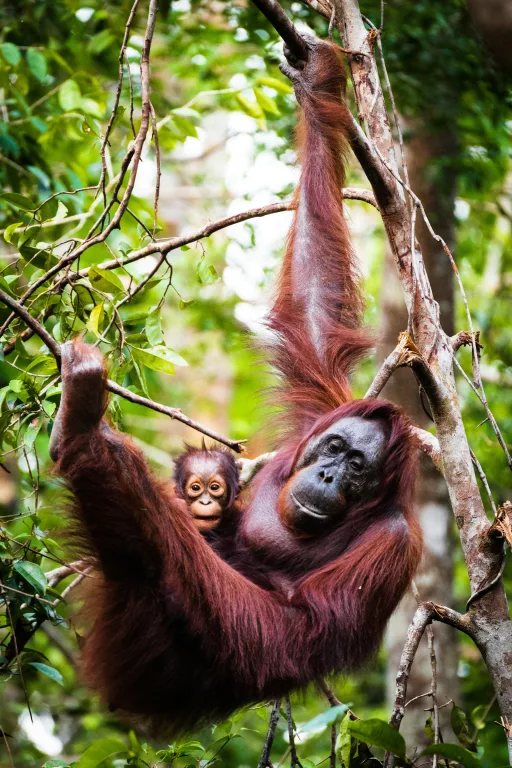
Start in Indonesian Borneo, where wildfires have been tearing through orangutan habitat. Eight apes — three mothers with young, plus two adolescent males — were relocated to the Batu Nyambu protected forest after health checks cleared them for the trip, which involved travelling by car, boat and on foot. Reuters reports rescuers have assisted 46 fire-affected orangutans in West Kalimantan since August. That matters because Bornean and Sumatran orangutans are critically endangered and live nowhere else. Still, moving animals is a stopgap; the forests themselves need protecting.
There are brighter numbers in Southern Africa. The WWF Living Planet Report 2026, published on 7 October, flags recovering elephant populations there, alongside gains for green sea turtles, tigers and bluefin tuna — evidence that anti-poaching work, habitat protection and coordinated management pay off. The caveat is sobering, though: monitored wildlife populations have declined by an average of 73% globally since 1970. A few success stories don't undo a biodiversity crisis.
Kenya is betting on the long game with its National Recovery and Action Plan for the mountain bongo, a critically endangered forest antelope. Launched on 28 September and reported by the IUCN, the 2026–2030 plan targets a 50% increase in the national population by 2030, with a self-sustaining wild population of 750 animals by 2075. The forests the bongo depends on also regulate water, store carbon and support surrounding communities — so protecting it has benefits well beyond one species.
Over in Spain, researchers at the El Ruedo wind farm tested whether painting a single turbine blade black would make the spinning rotors more visible to birds, which can struggle to read three blurred white blades in motion. The result: annual bird fatalities dropped nearly 74% at the painted turbines compared with 16 conventional ones, according to Mongabay. It's promising, but results vary across studies, so it's not yet a universal fix. Even so, simple design tweaks like this could let clean energy expand with fewer wildlife casualties.
Finally, South Africa has planted more than seven million trees since the start of the 2026/27 financial year under its Presidential One Billion Trees Programme, with activity across all nine provinces. Officials stress that indigenous species and careful planning matter more than raw planting counts — a young tree only counts if it survives.
For travellers, these stories shape the places you might visit: safari destinations where elephant numbers are climbing, Kenyan forests where rare antelope are being brought back, and the ongoing tension between renewable energy and wildlife. Supporting parks, reserves and community conservation projects puts money behind the work that produced these wins.
Getaway South Africa