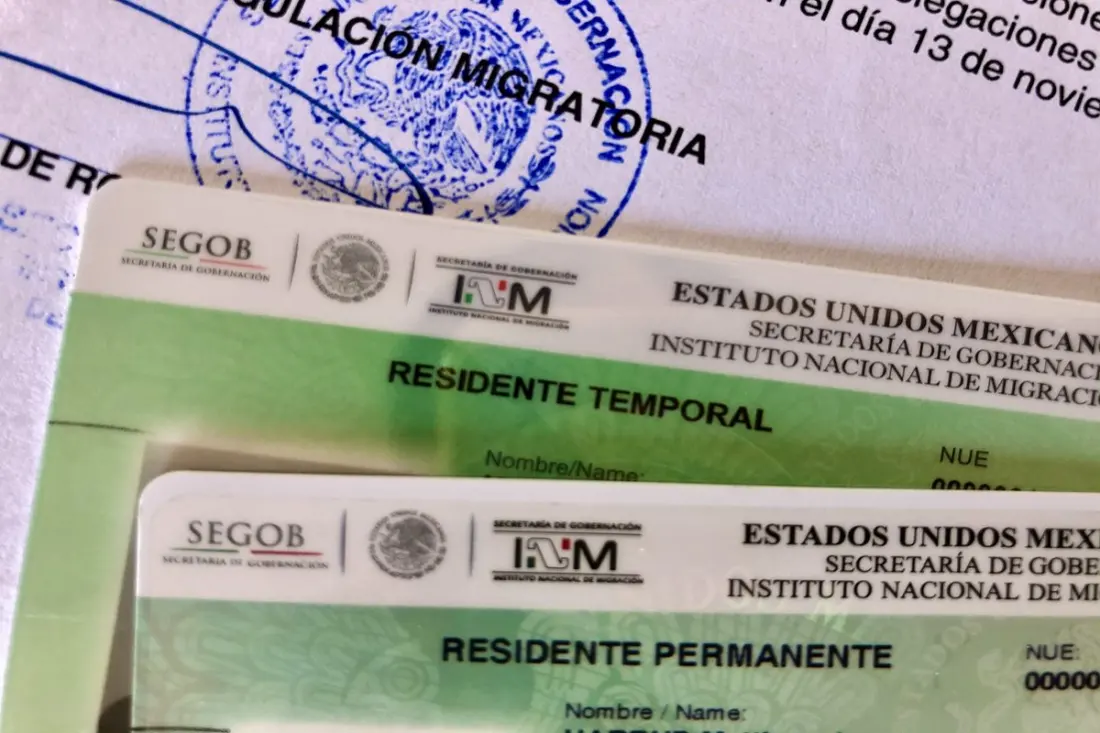
Mexico has become one of the most popular places for foreigners to settle long-term, but you can't simply arrive and stay. Legal residency comes in two flavours — temporary and permanent — and the path you take depends largely on your circumstances. Here's a breakdown of the main routes.
The most common route is economic solvency: proving you have enough income or savings to support yourself. It sounds simple, but there's a catch — most Mexican consulates now expect applicants to be retired, even if they comfortably meet the financial thresholds. Those who don't qualify for permanent residency straight away can hold temporary status for four consecutive years, then exchange it for permanent residency automatically.
If you own a home in Mexico outright — no mortgage, no liens, registered in your name and valued above the official threshold — that property can qualify you for temporary residency. Again, four years of temporary status leads to the option of permanent residency. Note that this only works with property inside Mexico.
Family ties offer a friendlier path. The 'Family Unit' route applies if you have certain qualifying connections to Mexican citizens or residents, and it carries a lower financial bar — sometimes none at all. Family-based applicants are also among the few who can convert a visitor permit into a residency card without leaving the country, which is a genuine convenience.
For those with capital to deploy, an investment route exists, though it demands a minimum sum placed in prescribed ways and the paperwork tends to be more complex than other options. Meanwhile, anyone with a formal job offer can have their Mexican employer sponsor them through the INM (the immigration institute): once approved, you collect a visa sticker at a consulate abroad and swap it for a residency card on arrival. Your right to stay is tied to that employment contract, so if the job ends, the residency is at risk.
There are also specialised humanitarian and political asylum routes, best discussed directly with an immigration office. And if the long game is citizenship, residency is the prerequisite: two years of legal residency qualifies you if you're married to a Mexican national, five years if not.
Why does this matter for travellers? Anyone dreaming of snowbirding indefinitely, working remotely from Mexico City, or retiring to Oaxaca or the beach towns needs a plan beyond a tourist permit. The temporary route is the realistic starting point for most people, with permanent status as the four-year payoff. Applications typically begin at a Mexican consulate abroad, though some routes allow in-country processing. Rules and financial thresholds shift, so check the current figures before you commit — and consider professional help if your case is anything other than straightforward.
Full details, including current income and investment thresholds, are covered in the original guide.