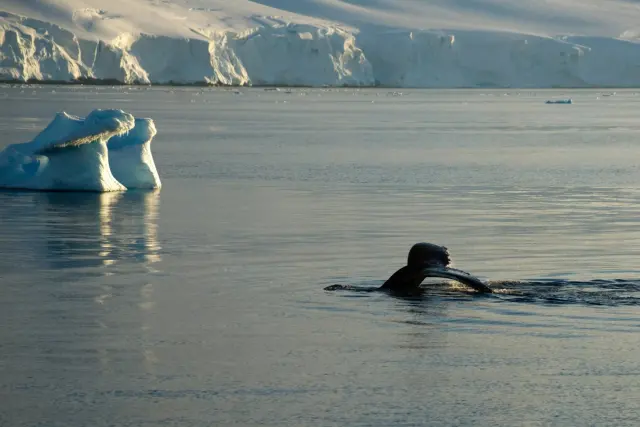
Greenland is famous for icebergs, polar bears and rare minerals. Food? Not so much — until now. A young wave of chefs across the vast Arctic territory, home to just 56,000 people, is coaxing traditional Inuit ingredients into serious fine dining, and travellers are getting a whole new reason to fly north.
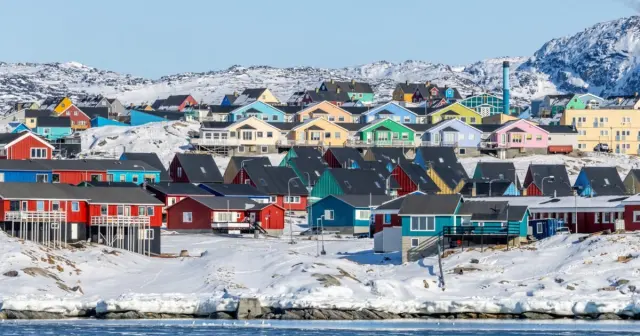
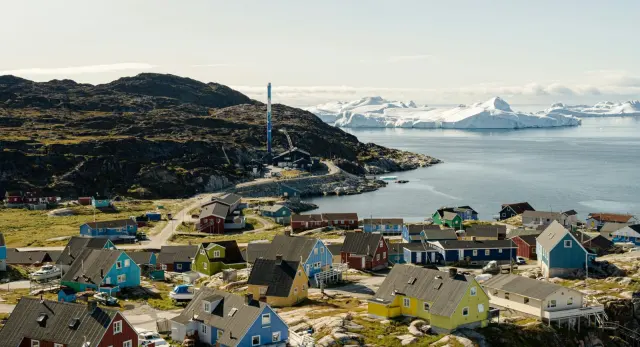
The flagship is Restaurant Ulo, which opened two years ago inside Hotel Arctic in Ilulissat, a 5,000-person town roughly 300 kilometres north of the Arctic Circle in what's believed to be the world's northernmost four-star hotel. The name comes from the crescent-shaped knife Inuit women have long used for food preparation. Executive chef Sudarshan Sundararaj, who moved from Sri Lanka six years ago, admits there was no fine-dining culture to build on — so he and Danish sous-chef Esben Staun-Olsen built one from scratch around Greenlandic produce: ptarmigan, reindeer, musk ox, lamb, capelin, shrimp, snow crab, whale and halibut.
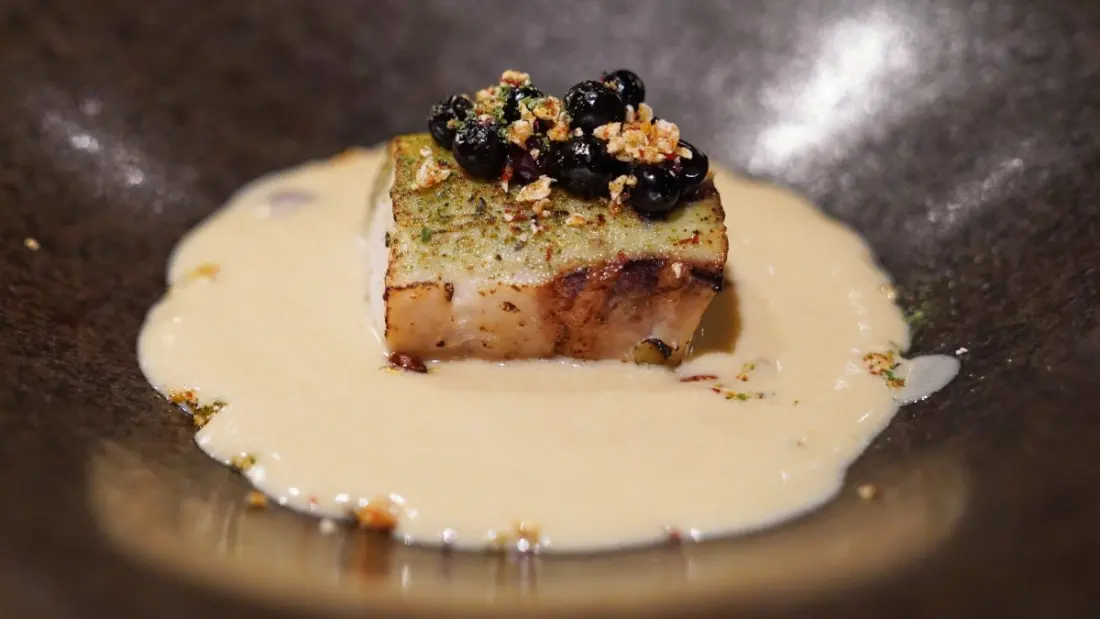
The result is a 13-course tasting menu at 3,900 Danish kroner (about $570) per person with wine — steep, but Greenland pricing rarely comes cheap. The opening dish, "rekling," reimagines air-dried halibut as something fluffier and more delicate than the dried fish locals know. The chefs' philosophy is simple: skip imported caviar and truffles, lean on the exceptional local protein.
Cooking at the edge of the world has real logistical teeth. Ilulissat endures 44 days of polar night each year, harbours freeze over and cut off supply boats, and vegetables are mostly imported with delivery schedules at the mercy of the weather.
Ulo isn't alone. Restaurant Sarfalik in Nuuk's Hotel Hans Egede serves freshly caught fish with fjord and mountain views, while the newly opened bistro Tamassa in southern Qaqortoq plates up reindeer steak, lamb chops and traditional Greenlandic soup.
To really understand Greenlandic food culture, though, go beyond the dining room. The heart of it is the "kaffemik" — literally "with coffee" — an often all-day social gathering built on coffee, food and community, thrown to mark births, birthdays and other milestones. Adventurous eaters can also try mattak, cubes of raw whale skin and blubber, best eaten fresh, as 24-year-old guide Niklas Johansen puts it.
For food-focused travellers, Greenland now offers something genuinely rare: a frontier fine-dining scene where the menu is dictated by ice, hunting seasons and whatever the boats managed to bring in. Pair a tasting menu with iceberg views and you have one of the world's most distinctive — if expensive — culinary trips.