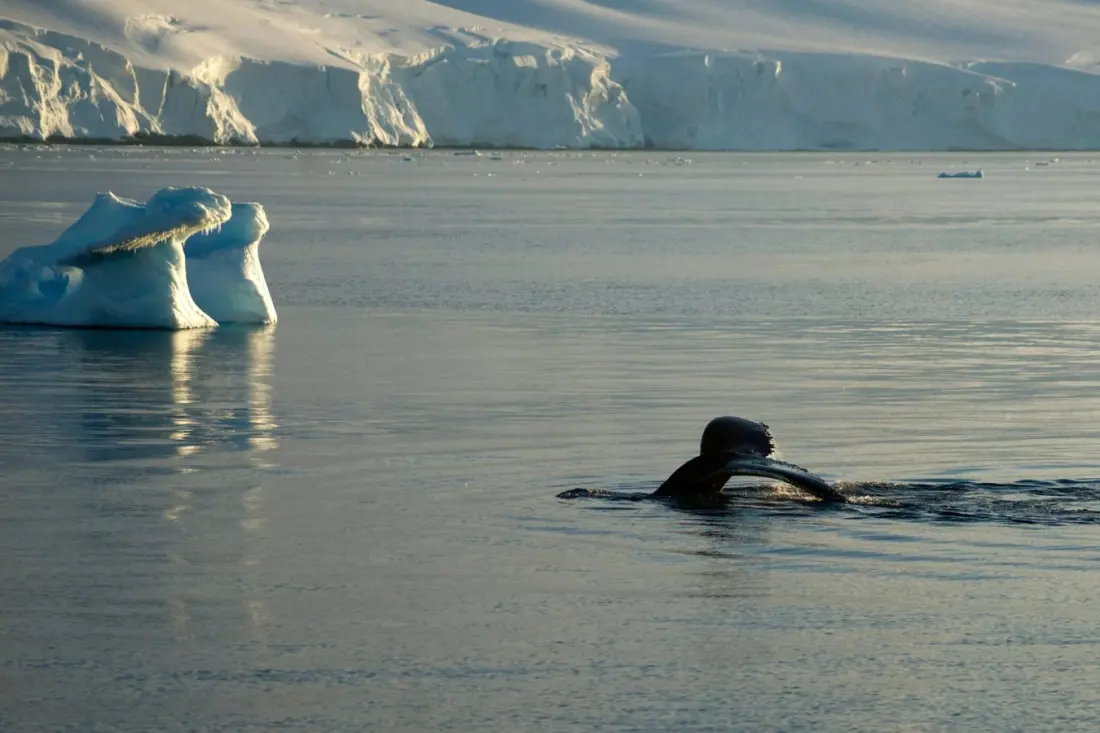
There's rare good news from the Southern Ocean: researchers now estimate around 4,018 Antarctic blue whales were alive in 2024. That's nearly a tenfold jump from the roughly 418 that remained after the last reported kill in 1973, and it suggests the slowest-recovering large whale population on the planet is finally turning a corner.
The context is sobering. Commercial whalers in the 20th century reduced these whales — the largest animals that have ever lived — to a fraction of themselves. The International Whaling Commission banned hunting them in 1964, yet Soviet fleets kept taking them illegally, and by the time catches stopped in 1973, an estimated 99.8% of the population had been wiped out. Even after five decades of protection and growth of about 4.5% a year, today's population sits at just 1.9% of its pre-whaling size. The species is still listed as critically endangered, and recovery is inherently slow: females typically raise one calf every two to three years.
Counting animals that spend most of their lives underwater, across an ocean that size, is a serious challenge. The research team combined historical whaling records with decades of dedicated ship surveys and photo-identification of individual whales. Observers on vessels following set routes logged each surfacing and its distance from the ship, allowing the scientists to estimate how densely whales were spread through the surveyed waters.
Why should a traveller care about whales in waters few people ever cross? Because their recovery ripples outward. When a whale dies and sinks, its carcass feeds entire communities of deep-sea life on the seafloor — thousands of Antarctic blue whales means thousands more of these nutrient drops over time. And continued monitoring will show whether the rebound holds as the Southern Ocean warms and changes.
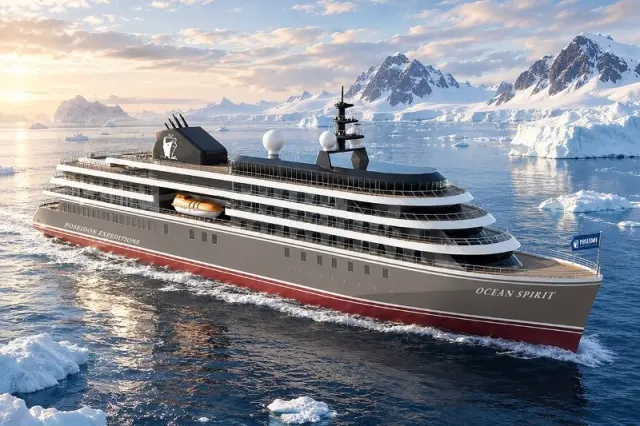
For anyone dreaming of seeing these giants, the numbers offer cautious hope. Antarctic blue whales remain extraordinarily hard to spot — they surface briefly and range over vast distances — but expedition cruises to the Antarctic Peninsula and the broader Southern Ocean are where your best (if slim) odds lie, and encounters with humpbacks, fins and minkes are far more likely on any given voyage. The real takeaway for visitors is that whale tourism there now supports research: naturalist-led expeditions routinely contribute sighting data and photos to the same kinds of surveys behind this new estimate.
The story, reported by Getaway South Africa via Good News Network, is ultimately about patience. Fifty years of protection bought a tenfold increase; restoring the full pre-whaling population will take far longer. But for the first time in generations, the trajectory for Antarctic blue whales points the right way.