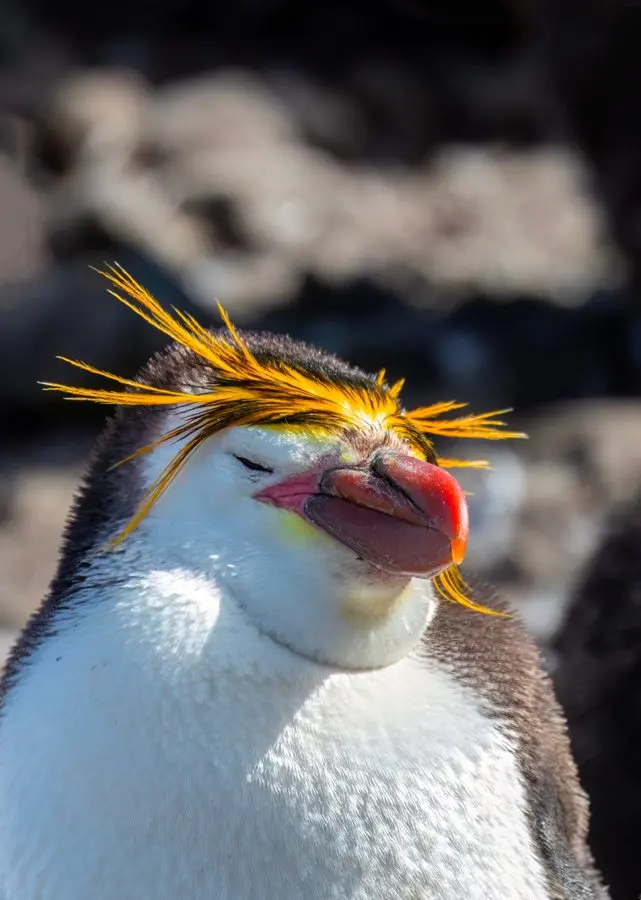
Antarctica sounds like the emptiest place on Earth, but the numbers say otherwise. The continent and its Subantarctic islands sprawl across roughly 13.6 million square kilometres of ice, rock and wild ocean, and they support one of the densest wildlife gatherings on the planet: nine penguin species, at least 10 kinds of whale, assorted seals and sea lions, and around 100 million seabirds. Australian Geographic's latest photo essay, shot on an expedition cruise through the far south, makes the case that this monochrome wilderness is anything but barren.
The wildlife-rich zones aren't limited to the famous Antarctic Peninsula. The essay covers an enormous sweep of the far south: the New Zealand and Australian Subantarctic islands, the Ross, Amundsen and Bellingshausen sea sectors, and the Peninsula itself. Each sector has its own character. The Peninsula is the classic first-timer route, short crossing, big scenery, crowded penguin colonies. The Ross Sea side is far more remote and takes longer to reach, but rewards you with the feeling of genuinely being at the end of the world. The Subantarctic islands, sitting between New Zealand, Australia and the frozen continent, are a lesser-known sweet spot for birders and wildlife photographers, with species you won't see anywhere else.
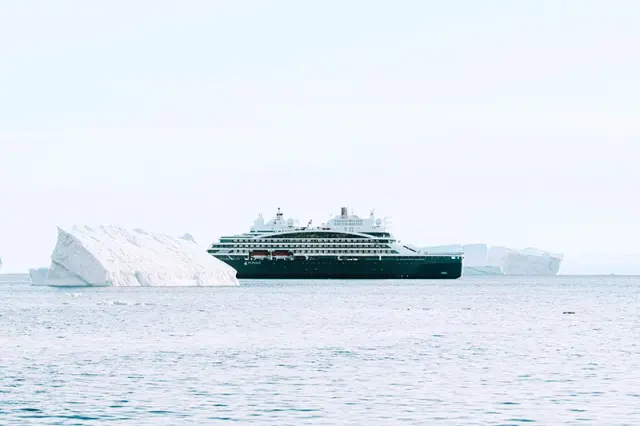
The piece was photographed aboard Aurora Expeditions' Epic Antarctica: Crossing the 7th Continent voyage, the kind of full-continent crossing that appeals to travellers who want the whole picture in one trip rather than a single-region taster. Expedition cruises like this typically run with expert naturalists and historians on board, and shore landings are done in small groups by zodiac, which is how you end up sitting a legal few metres from a seal that couldn't care less about you.
Why does this matter for a would-be visitor? Because the Antarctic season is brutally short and the itineraries vary hugely in scope and price. Knowing the difference between a Peninsula fly-sail trip, a Ross Sea odyssey and a Subantarctic-focused sailing is the single biggest decision you'll make. If your priority is ticking off multiple penguin species and whale encounters, a longer, cross-sector voyage delivers; if you're time-poor, the Peninsula remains the most accessible entry point.
For photographers and wildlife watchers, the appeal is obvious: animals that show no fear of humans, vast colonies, and light that stretches long into the summer night. For everyone else, it's the sheer scale, 100 million seabirds is not a number you see printed about many places, that makes the deep south worth the splurge and the Drake Passage nerves. Photos from these voyages do a decent job, but the smell of a penguin colony is something no camera captures.