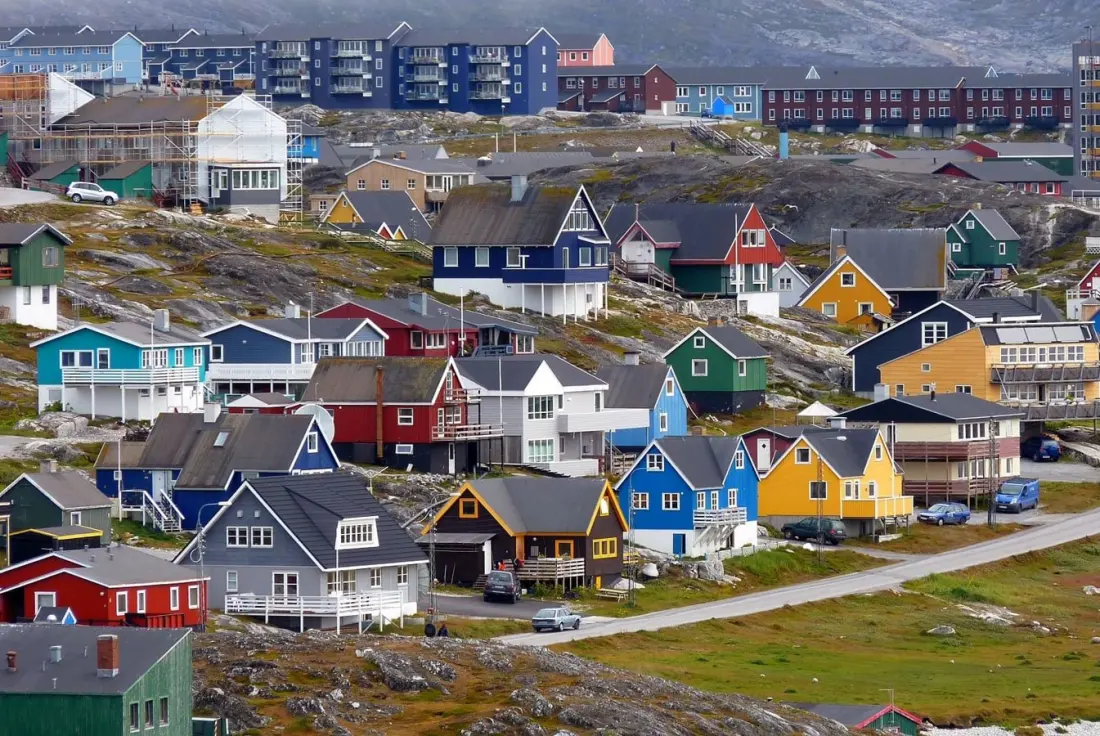
President Donald Trump has announced that large-scale oil, gas and mineral exploration in Greenland is 'getting ready to begin', posting on Truth Social and once again describing the Arctic island as 'our new and beautiful Greenland'. The statement has reignited a debate that has been simmering for months over America's ambitions in the vast, ice-covered territory that sits within the Kingdom of Denmark.
The security case looms large in Trump's reasoning. Greenland lies on the shortest missile path between Russia and the United States and along a key route between North America and Europe, which the president argued gives American defences unmatched response time and sightlines. The island is expected to play a role in Washington's proposed Golden Dome missile defence system.
Then there's what lies beneath. Greenland holds significant deposits of rare earth elements, the raw materials behind electronics, renewable energy technology and defence manufacturing — exactly the supplies major powers are racing to lock down. Trump, citing unnamed experts, claimed the island could hold vast quantities of easily accessible oil, though he offered no studies, no timeline, no named companies and no investment figures.
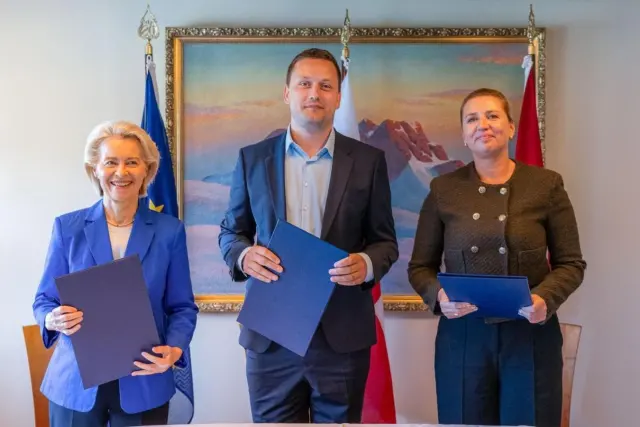
Practical reality is a different matter. Roughly 80% of Greenland is under ice, conditions are brutal, and many promising mineral zones have no infrastructure to speak of. More importantly, Greenland suspended new oil exploration licences in 2021 for environmental and climate reasons, and the recent US-Denmark-Greenland security agreement — which expands the American military presence with new defence zones in Narsarsuaq and Mestersvig — explicitly preserved Danish sovereignty and did not hand Washington automatic rights to exploit resources. Any extraction would still need to clear local regulations and authorisations.
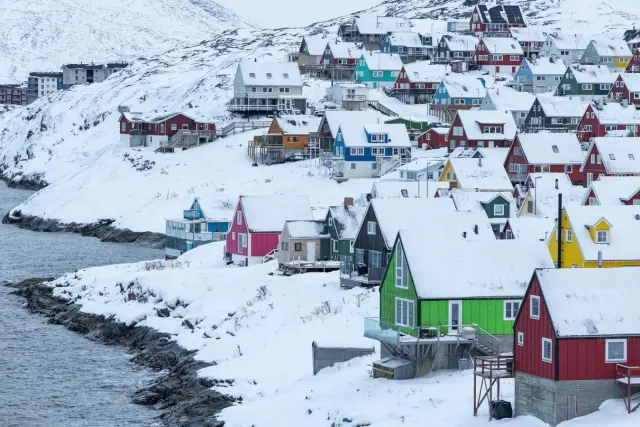
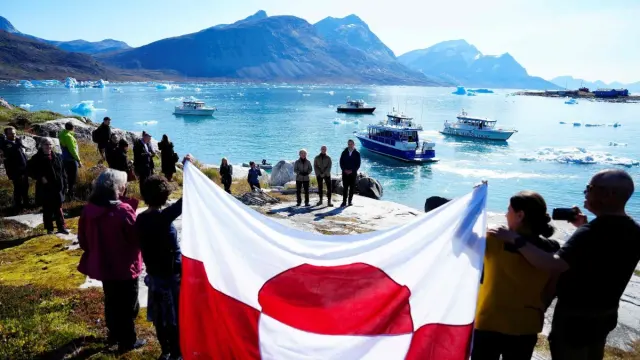
Why does this matter if you're thinking about Greenland as a destination? The island remains one of the world's least travelled and most dramatic places, and its future is being decided right now. Expanded military activity, new infrastructure and resource projects could reshape access, flight routes and even which remote settlements see outside visitors in the coming years. For now, travel proceeds much as before — under Danish and Greenlandic rules, with the territory's own government firmly in the loop. But if you've been dreaming of ice fjords, Nunataks and midnight sun before the place changes, the window on 'Greenland as it is' may not stay open forever. Watch this space.
Story via Colombia One.