
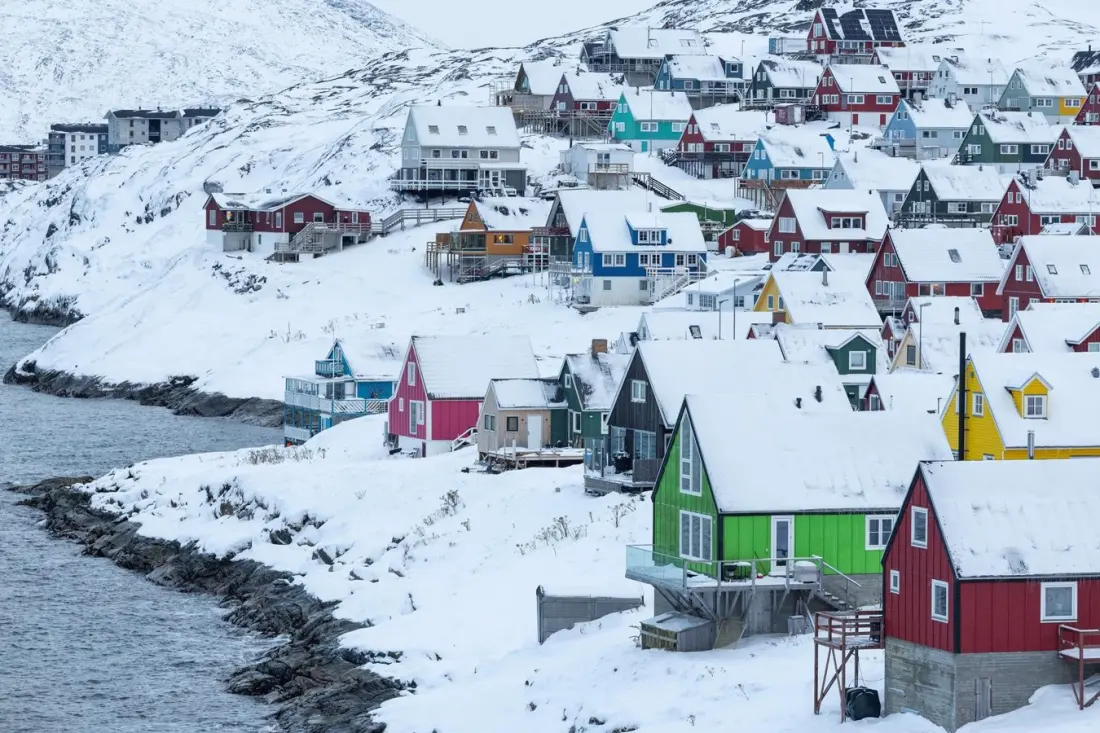
Greenland is back in the headlines, and this time not because of a purchase offer. On Friday, Donald Trump announced that the United States, Denmark and Greenland have agreed to a deal that expands the American military footprint on the Arctic island and blocks US adversaries from setting up shop there. Writing on Truth Social, the president said no US enemies would be able to make "sensitive investments" on the island without Washington's approval, and that the agreement has no expiry date.
The deal stops well short of Trump's long-stated ambition to acquire the territory. Instead, it builds on a foundation that already exists: a 1951 treaty has long given the US nearly total overflight and basing rights in Greenland, which today hosts a Space Force base in the island's remote northwest. Under the new terms, according to a State Department official, non-NATO countries are barred from building bases, only the US and its allies can make certain sensitive investments, and the US gets permanent access, basing and overflight rights — even if Greenland one day becomes independent. Secretary of State Marco Rubio said the deal "permanently and completely" addresses US security concerns.
Reaction from the other side of the Atlantic was measured. Denmark's prime minister's office said the agreement would strengthen North Atlantic and Arctic security, while Greenland's premier Jens-Frederik Nielsen called it a recognition of the island's interests. "This benefits us all," he said. Not everyone is convinced the drama is over, though. Many Greenlanders want independence from Denmark and have bristled at American attempts to assert control, and much about the deal remains vague — including whether any new bases will actually be built. Imran Bayoumi, a former Pentagon official now at the Atlantic Council, noted that Washington could arguably have achieved most of this through ordinary diplomacy without straining relations with NATO allies.
So why should a traveller care? For anyone dreaming of Greenland — the ice fjords of Ilulissat, dogsledding, northern lights — the practical impact is minimal for now. Flights, permits and tourism infrastructure are unchanged, and the island remains an autonomous Danish territory open to visitors. But the geopolitics matter at the margins: increased US military activity could eventually mean more air traffic and investment in Arctic infrastructure, which over time could improve the island's connectivity — historically one of the biggest barriers to tourism. It's also a reminder that Greenland is a place where great-power attention is intensifying, which may make it feel both more relevant and more fragile as a destination. If the Arctic is on your list, the island's raw, lightly touristed appeal is best experienced sooner rather than later.
Credit: Japan Today