Back in the Lonely Planet heyday of the late 1990s and early 2000s, backpackers were accused of ruining destinations. Everyone carried the same chunky blue guidebook, followed the same itineraries, ate in the same listed restaurants and slept in the same recommended hostels. One writer's Vietnam trip from Hanoi to Ho Chi Minh City in the early 2000s meant running into the same travellers day after day, all tracing the same suggested route.
The old criticism was that guidebooks funnelled crowds into identical experiences. But by today's standards, that looks almost charming.
Print guides have largely vanished from backpacks. Instead, inspiration and advice come from phones. An American Express study found that 75 per cent of travellers are inspired to visit a destination by their social media feeds, more than half choose restaurants based on what they see there, and at least half consider how a place will look on social media before booking anything.
The difference is who — or what — is making the recommendations. Social feeds are driven by algorithms tuned to engagement and advertising spend, which push viral spots into the stratosphere and quietly filter the options you believe exist. It doesn't stop when you close the app: hotel search results, flight routes and prices are all shaped by the same technology.
And now AI has layered on top. Google searches about a destination get summarised by Gemini; Bing users get Copilot doing the same. ChatGPT and Claude will generate a full itinerary in seconds. Travel websites deploy AI booking bots, and platforms increasingly host AI-generated content designed to influence where you go.
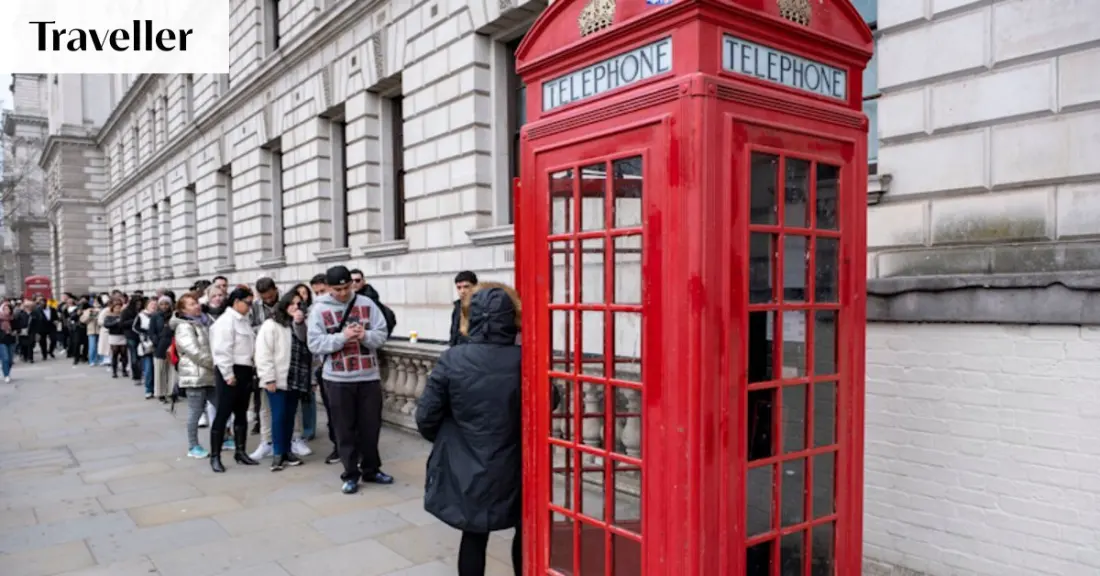
The result is the same crowd-concentration effect Lonely Planet was once blamed for, multiplied many times over. Viral attractions get replicated across feeds, algorithms and AI summaries until everyone converges on the same handful of viewpoints, restaurants and selfie spots. Travellers following the crowd today are just as likely to be obeying Instagram or ChatGPT as an old guidebook — only now the recommendations spread faster, reach more people, and are shaped by commercial incentives you can't see.
The writer's remedy is refreshingly analogue: trust human sources, walk into the restaurant nobody is posting about, book the destination that hasn't gone viral, and give yourself a day of aimless wandering to see what you find. Or go truly retro — dust off a printed guidebook and check what has survived.
For travellers, this is a useful nudge rather than a reason to ditch tech entirely. AI itineraries are handy for logistics and research, but treating them as the final word means holidaying inside a feedback loop of what's already popular. A deliberate mix — algorithms for the boring stuff, gut feeling and word-of-mouth for the fun stuff — is the best defence against ending up in the same photo queue as everyone else.