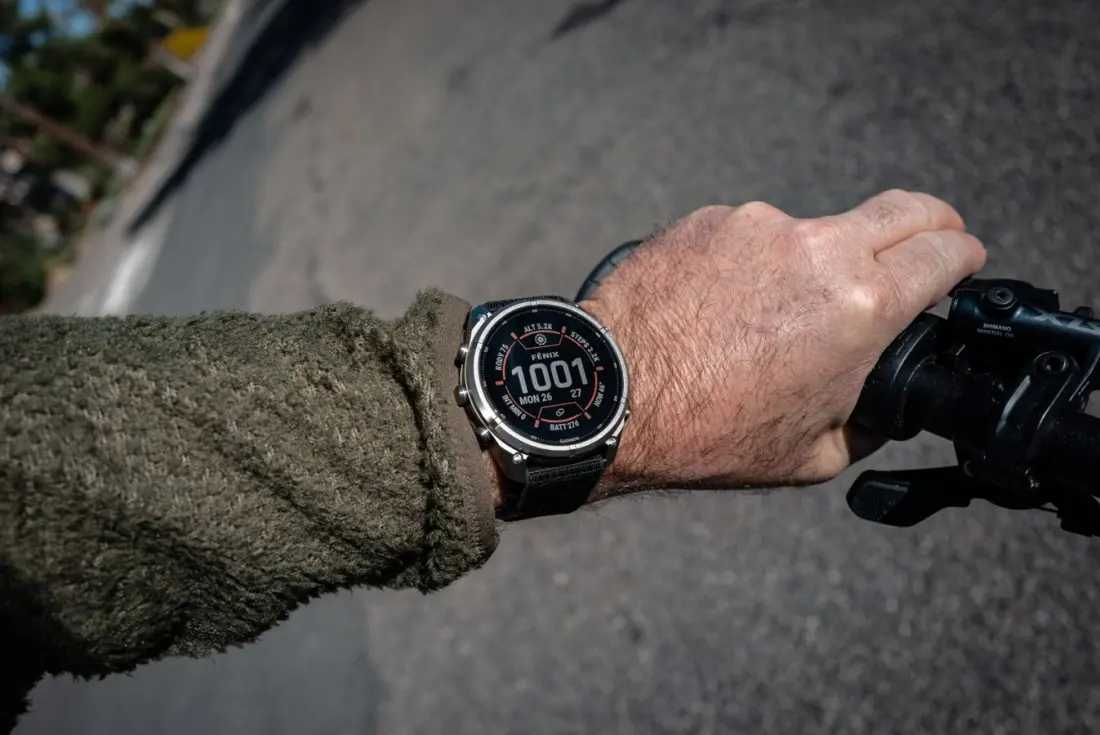
Picking a GPS sports watch in 2026 is a bit like choosing a car: the quality bar is high across the board, so the real decision comes down to budget and which features you'll actually use. Outside Online's testers put that idea to the test, logging more than 14,000 miles of workouts and backcountry trips over a full year with 39 watches before whittling the field down to seven standouts.
The overall winner is the Garmin fenix 9 Pro Solar with inReach, a $1,300 titanium beast aimed at people who go far from phone signal. Its headline trick is battery: with solar charging it claims up to 57 days of smartwatch use and 211 hours of GPS tracking, and it can send satellite messages or an SOS via Garmin's inReach service (plans now start at $7.99 a month). Testers found even an hour of daily sun made a real difference on multi-day trips. The catch? The shiny full-titanium case is loud on the wrist, and so is the price.
For serious athletes on a budget, the Coros Pace 4 Pro ($449) earned the Goldilocks label. It has a bright 37mm screen that stays readable in direct sun, standout heart-rate accuracy for pacing intervals, and swim tracking that nailed stroke counts — plus 45 to 60 hours of GPS. The music situation is stuck in 2005 though: you'll need to sideload MP3s from a computer, no Spotify here.
The best-value call went to the Amazfit Cheetah 2 Ultra ($599), which packs a titanium case, built-in LED flashlight and a sharp AMOLED screen into arguably the best-looking watch of the bunch. Its main quirk is an overly eager auto-workout detector that starts logging a walk if you pace around the house.
Ultra-endurance types still get a dedicated pick: the Garmin Enduro 3 ($800–900) sips power thanks to its non-AMOLED display, running up to 36 days between charges in normal use, or a claimed 90 days and 320 GPS hours with solar help. One tester went over a month without plugging in. It's also the lightest 51mm watch the testers had worn, with the comfiest strap in the test.
Rounding out the list: the Suunto Run 2 ($399) for runners who want a lot in a small, 1.2-ounce package; the Apple Watch Ultra 4 ($799), named best for weekend warriors thanks to improved heart-rate tracking and readiness software; and a new category winner, the Bridger Reckon ($1,099), a hunting-focused watch from a small Montana company.
For travellers, the takeaway is simple: match the watch to the trip. Weeklong trek or ski tour with no outlets? Battery life and satellite messaging (Garmin territory) matter most. City breaks mixed with runs and swims? A lighter, cheaper watch like the Coros or Suunto does the job without the bulk — and won't wreck your budget after flights and hotels.