Annual forest and peatland fires in Indonesia have once again pushed hazardous smoke across the region, and this year the timing could hardly be worse. The haze has settled over Malaysia, Singapore and Indonesia just as travellers start booking year-end trips, and the tourism industry is already counting the cost.
Malaysia's inbound operators are seeing November cancellations and softer bookings, according to Mohd Khalid Harun, president of the Malaysia Tourism Agency Association. That matters because Malaysia is chasing an ambitious 47 million international arrivals this year — a target that was slipping away even before the smoke rolled in. Across the border, Indonesia has logged more than 2,600 disrupted domestic flights, while Singapore tour operators are trimming sightseeing itineraries short because the air simply isn't good enough to be outdoors.
At one point in October, all three of the region's biggest cities — Jakarta, Kuala Lumpur and Singapore — were affected simultaneously, a reminder of how regional the problem is. The fires are an annual occurrence, driven by land clearing on Indonesian peatlands, and their severity depends heavily on wind patterns and rainfall in any given year.
For anyone with a trip planned to the region in the coming weeks, the practical picture is this: air quality can change quickly, so it's worth checking the real-time AQI for your specific city rather than relying on country-level news. Travellers with respiratory conditions, young children or older family members should think carefully about outdoor-heavy itineraries — city sightseeing, hiking in the Cameron Highlands or Borneo jungle treks all lose their appeal when the PSI climbs into unhealthy territory. Some travellers are instead shifting plans toward less affected corners of the region, such as Malaysia's east coast islands (depending on monsoon timing) or higher-rainfall areas where the smoke disperses faster.
Flexible booking is your friend right now. If you're booking flights or hotels for November or December, look for changeable rates and keep an eye on airline policies, since haze has already forced thousands of flight disruptions domestically in Indonesia. Travel insurance that covers weather-related or air-quality disruptions is worth considering too.
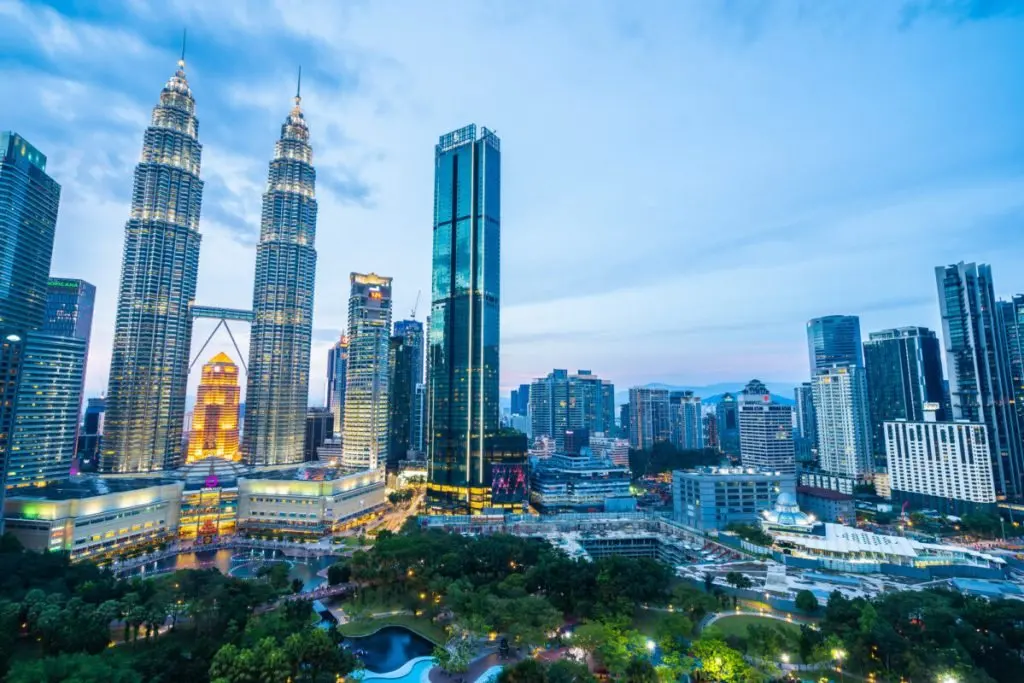
The bigger takeaway: haze season is a genuine, recurring factor in Southeast Asia trip planning, typically worst between roughly July and October but able to linger into November as it has this year. If clean air matters to your holiday, travelling after the monsoon rains arrive — or pushing a trip to early in the year — usually means blue skies and clearer views of those Petronas Towers.
Skift