A first-ever birdwatching trip doesn't need a far-flung tiger safari. The UK has some genuinely spectacular birding – and the hobby is booming, with the RSPB reporting a 47 per cent rise in regular birdwatchers across Britain in eight years, including a tenfold jump among 16 to 29-year-olds.
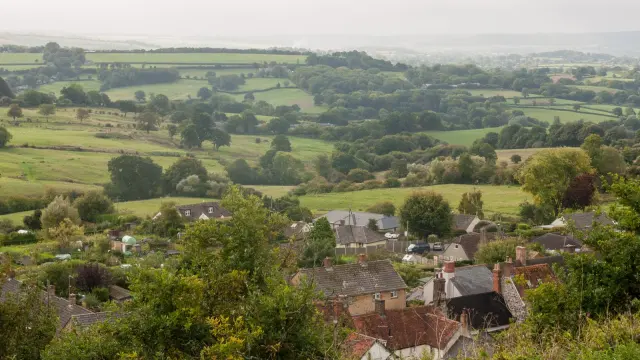
One of the best entry points is a spectacle so big you can't miss it: the starling murmurations on the Somerset Levels, where up to half a million birds swirl at dusk in winter. It draws everyone from complete novices to seasoned listers, which makes it a natural place to meet people. The Levels were restored as habitat for bitterns in the 1990s, so even regulars keep finding new species. Other proven crowd-pleasers: puffins and half a million seabirds at Bempton Cliffs in Yorkshire, sea eagles and golden eagles on Mull, and close-quarters birding on Shetland. The Isles of Scilly have a reputation for rare migrants, and Lundy Island is where the writer of the original piece saw her first Manx shearwater.
Timing works in beginners' favour, too. Winter is murmuration season and short days mean you don't need pre-dawn starts. Early May brings Dawn Chorus Day, plus the RSPB's spring garden birdwatch. And the UK sits on the East Atlantic Flyway, so coasts fill with migrating visitors year-round.
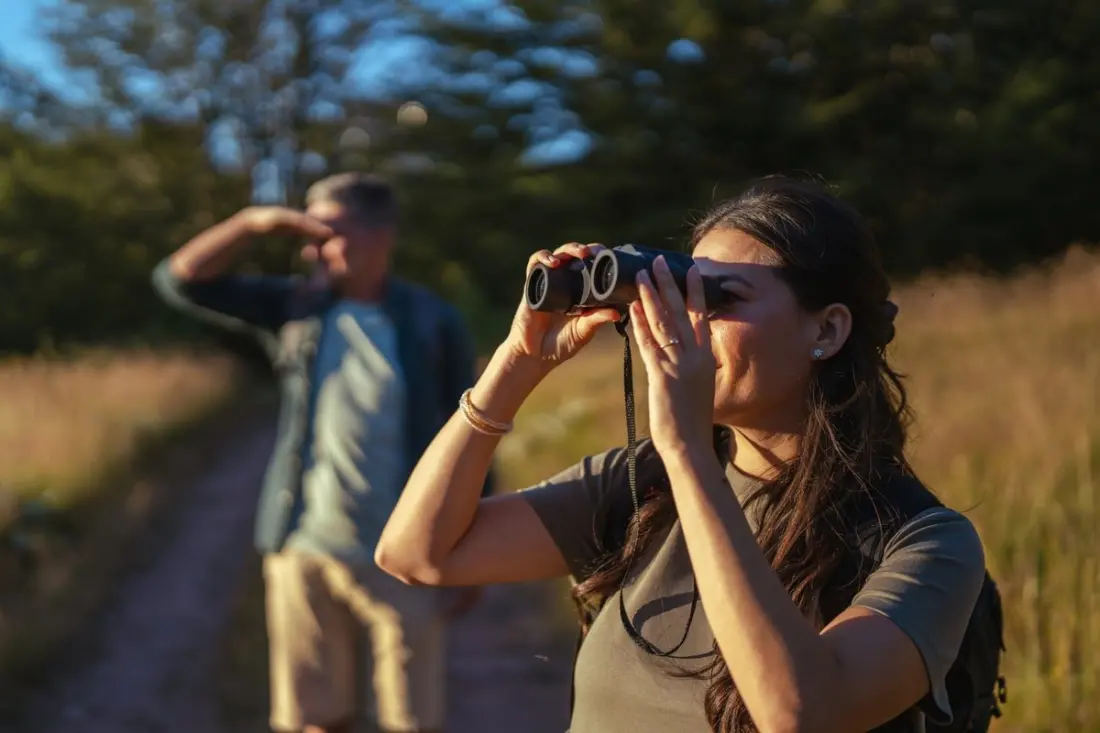
Gear anxiety is the biggest barrier for most newcomers, and it's overblown. RSPB Magazine editor Jamie Wyver points out that binoculars help but aren't essential – a walk with your eyes and ears open is enough to start. The free Merlin app, which identifies more than 1,000 species by sound, has made solo learning far easier; the UK is the world's second-biggest user of it.
If you'd rather learn with a guide, ecologist-run operators like Wild Discovery structure trips around the story behind each bird – migration routes, odd nesting habits, predator-prey dynamics – rather than a box-ticking species list. Volunteering days and local ornithology clubs are another low-pressure way in; sightings networks and rare-bird alerts come as a bonus.
When you're ready to go further, the Danube Delta in Romania – Europe's largest reed bed, explored by boat, with migrants from as far as Siberia – and Spain's Doñana National Park are the classic next steps. But honestly, the best first trip might be a weekend on the Levels, a pair of borrowed binoculars, and someone nearby who's just as delighted as you are by a wader in breeding plumage.