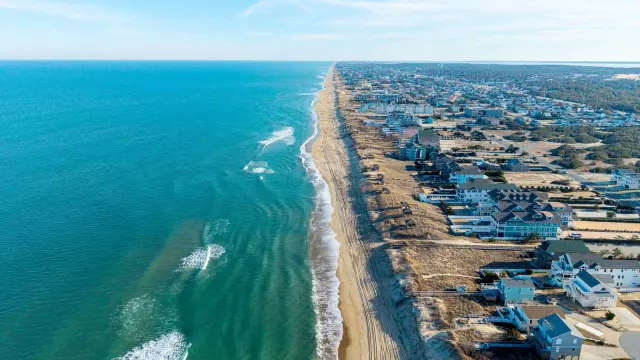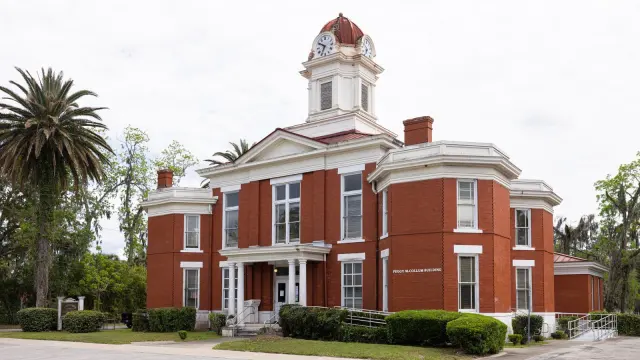
The US already has 27 UNESCO World Heritage Sites, from the Statue of Liberty and the San Antonio Missions to the Grand Canyon and the Everglades. But there's a second, less famous roster that matters for anyone who likes visiting places before the crowds and plaques arrive: the UNESCO Tentative List. The US currently has 17 sites on it — a mix of cultural landmarks and wild natural areas — and each one is a candidate for future World Heritage status.
The Tentative List is the first formal step towards inscription. A country places properties it believes might have "Outstanding Universal Value" — significance that matters globally, not just nationally — and refines the case for each before a full nomination. Being listed is no guarantee; the country decides which sites to push forward, and each still needs documentation proving its value, authenticity, integrity, and protection measures. Independent advisory bodies then assess the nomination, and the UNESCO World Heritage Committee has the final say. Sites can wait years, drop off, or return in later rounds. Once inscribed, a site leaves the Tentative List.
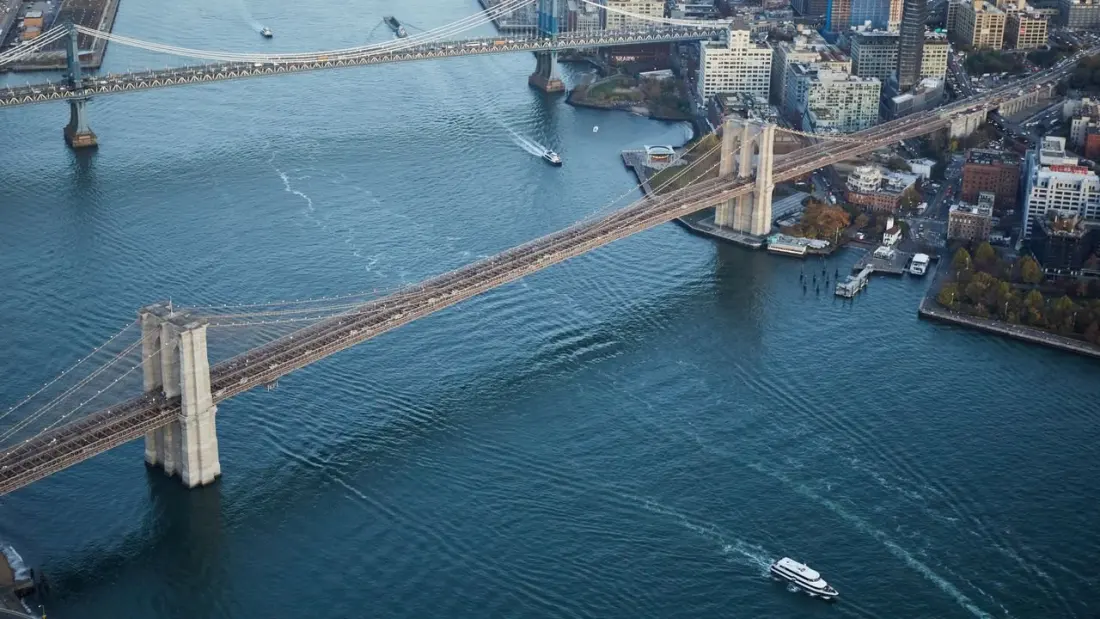
So what's on America's shortlist? On the cultural side, the picks are strikingly varied: the Brooklyn Bridge and Central Park in New York, Ellis Island, Chicago's early skyscrapers (including the Rookery and the Monadnock Building), the Civil Rights Movement Sites of Alabama — Dexter Avenue King Memorial Baptist Church in Montgomery plus Birmingham's Bethel Baptist and 16th Street Baptist Churches — the Dayton Aviation Sites in Ohio, Thomas Jefferson's buildings in Virginia, Mount Vernon, and the ancient Serpent Mound in Ohio.
The natural candidates stretch across oceans as well as states: Big Bend National Park in Texas, California's Central Current zone (a chain running from Point Reyes and the Farallon Islands down to Monterey Bay), Petrified Forest National Park in Arizona, White Sands in New Mexico, Georgia's Okefenokee swamp, the Mariana Trench, American Samoa's Rose Atoll, and the Pacific Remote Islands.
Why does this matter to travellers? Because the list is effectively a curated preview of future marquee destinations. UNESCO status tends to bring visibility, funding for conservation, and visitor interest — so these 17 places are worth prioritising now, before an inscription changes their profile. Many are already superb trips: White Sands' gypsum dunes, Big Bend's desert isolation, and the Okefenokee's black-water paddling need no plaque to justify the journey.
To qualify, a site must meet at least one of UNESCO's ten selection criteria — covering everything from human creativity and historic stages to geological significance and biodiversity — and the criteria are periodically revised. Countries are also encouraged to consult local communities, site managers, and NGOs when building their lists, though how much they do so varies.
Full credit to Condé Nast Traveler for the original report.