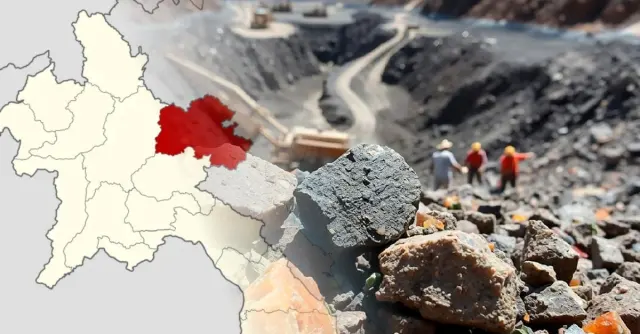
Oudomxay province in northern Laos has opened investigations into eight illegal gold mining cases, prosecuted ten people and collected more than 2.688 billion LAK (around USD 119,000) in fines and payments to the state. The details emerged via a provincial report presented on local television by Saksombat Keositthivongsa, who heads the provincial task force.
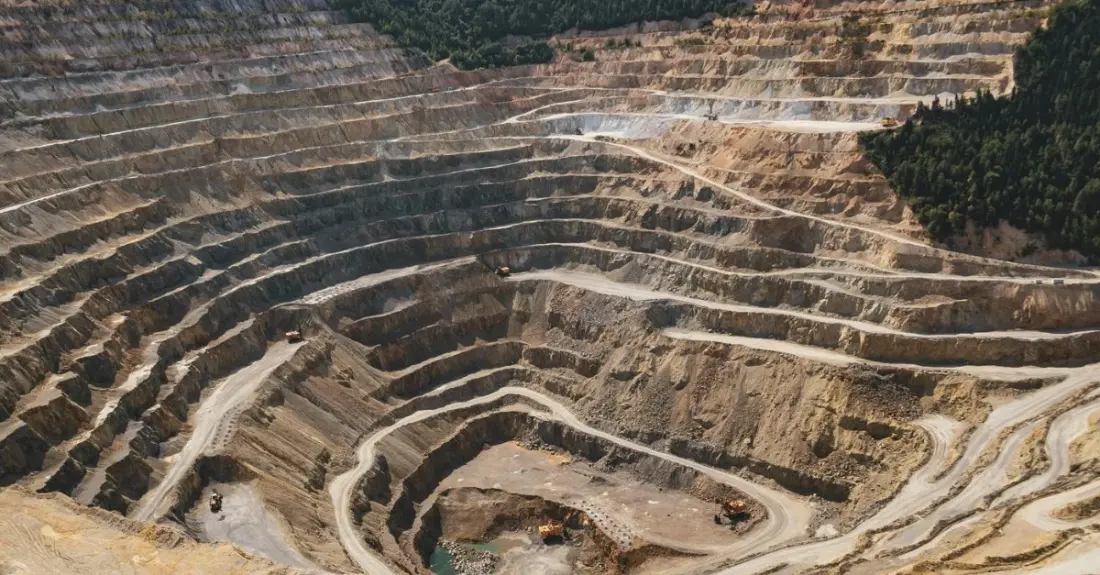
The case drawing the most attention surfaced on 28 October, when inspectors visited a former open-pit mine in Pak Beng District previously run by Lao-Xinlong Mining Company. The firm had finished its licensed mining under a government agreement but had not yet restored 33.54 hectares of land, including farmland used by 114 families in the Huay Sa area of Ban Kham. Investigators found that the unfinished restoration had become a convenient cover: people were mining gold at night on the site.
The restoration contractor, Suriyong Company, had been ordered to pause work in June 2026 while the area was reassessed. Instead, the task force says, it brought in machinery and kept digging for gold without permission. Four people were detained and three excavators, a pickup truck, a 10-wheel dump truck and a 12-wheel trailer were seized. The detainees claimed they were acting on Suriyong's instructions, and legal action against the company is being pursued.
The story has sparked an unusually frank public backlash on Lao social media. Commenters are asking how excavators and fuel convoys could move onto a site without village, district or provincial officials noticing, and some argue the licence-issuing authorities should be investigated alongside company owners. Others have flagged suspected illegal mining elsewhere, including Don Thoung Village in Sanakham District and areas along the Pak Beng-Pha Oudom district border, though those claims remain unverified. Several residents have called for a hotline or a Messenger/WhatsApp reporting channel.
In response, the task force says it will increase inspections, coordinate with other agencies and target higher-risk areas, while urging locals to report suspicious activity and to avoid spreading unconfirmed rumours.
Why should a traveller care? Pak Beng is the standard overnight stop on the two-day slow boat between Huay Xai and Luang Prabang, so this is exactly where many visitors to Laos sleep. The scandal doesn't affect the river route itself, but it does highlight the tension between mining, farming communities and tourism-adjacent districts in northern Laos, and explains why you may see restoration disputes or machinery around the hills above the Mekong. For anyone visiting Luang Prabang or Oudomxay province, it's a useful reminder of the environmental pressures shaping the region.