Laos has just three practising psychiatrists for a population of more than seven million. That single statistic explains why a newly formed volunteer body, the Lao Mental Health Association (LMHA), is betting on community-level care rather than waiting for specialist services to catch up.
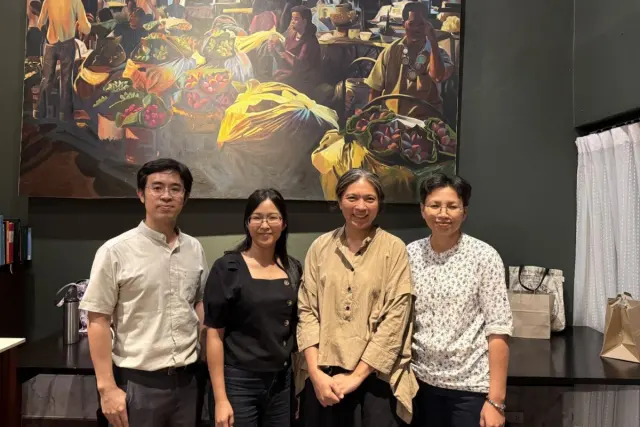
The association, launched on 28 October by senior doctors, former hospital directors, academics, advocates and people with lived experience of mental illness, has set out a five-year plan to move basic support into villages, schools and homes. Instead of routing everything through hospital clinics, it intends to train general practitioners, district health staff and village health volunteers to offer psychological first aid — essentially, to listen. A free national crisis helpline with WhatsApp support aimed at young people and a revolving fund to keep essential psychiatric medicines stocked at local clinics are also on the list.
The need is real, even if the data is patchy. WHO figures put Laos's suicide rate at 4.6 per 100,000 in 2021, down from 5.7 in 2000, but the country hasn't updated its national mental health statistics since, as LMHA president Dr Chantharavady Choulamany points out. In her clinical work, anxiety is one of the most common complaints — yet many patients arrive reporting headaches, body aches or insomnia, never connecting those symptoms to emotional distress.
Stigma is a big part of the gap. Some families view mental illness as karmic punishment; others fear shame and hide affected relatives rather than seek treatment. Cost and distance matter too: specialist psychiatric care has been concentrated at just two Vientiane facilities, Mahosot Hospital and Military Hospital 103, so people in remote provinces either pay for a trip to the capital or go without. Even those who start treatment often stop once they feel better, without realising conditions like anxiety may need ongoing management, much like diabetes.
Young workers are feeling particular strain. Dr Chantharavady notes that younger Lao employees expect transparency, mental health support and better work-life balance — and when employers stay rigid, stress, anxiety and burnout follow.
Anyone travelling in Laos for any length of time will find this a useful window into how the country is changing, especially younger generations negotiating new expectations at work. It's also practical: the LMHA's helpline and WhatsApp line (020 55512121) could matter to long-stay visitors, volunteers or expats who need support and don't know where to look.
Laotian Times