Vientiane hosted a book launch on 3 November at the Laos-Singapore Cooperation Centre that has as much to say about how a country treats its streets as it does about politics. The book, A Great Country Is What Leaders Make of It, was written by Dr Anoulak Kittikhoun, a Lao scholar who spent 2025 as an Independent Senior Fellow at the Lee Kuan Yew School of Public Policy in Singapore.
His starting point is a scene any visitor to Laos will recognise. In Lao communities, temple grounds are immaculate — swept, gardened, cared for by everyone, because they are sacred and shared. Yet the pavement outside is often another story. For Anoulak, that gap says something about how people relate to public space, and it anchors the first of his five rules for what makes a country genuinely great.
That rule is keeping a country "green and clean". He points to Singapore and Japan as Asian examples of environmental standards becoming everyday habit, but he insists cleanliness is not just about appearance. In his words, it signals self-respect, self-organisation and self-discipline — caring enough about your place that you want it to last for generations. Crucially, he argues it is also the one rule young leaders can act on directly, without waiting for permission or massive budgets.
The rest of the book draws on Anoulak's travels through roughly 40 countries, comparing what helped them progress and what held them back. He rejects the idea that "greatness" means size, wealth or ancient civilisation — the metrics big powers like to lean on — and instead focuses on the ordinary things that shape daily life: how public spaces are maintained, whether officials treat public service as a duty, and what kind of country gets handed to the next generation. The book offers no blueprint and discourages copying other nations' models outright; it asks readers to study the choices behind national progress instead.
The launch was supported by the Singapore Embassy, with Ambassador Ong Siew Gay giving welcome remarks and former Vice Minister for Foreign Affairs Alounkeo Kittikhoun speaking after her. Anoulak was careful to note the views are his own, not those of the Lao government or regional bodies he has served.
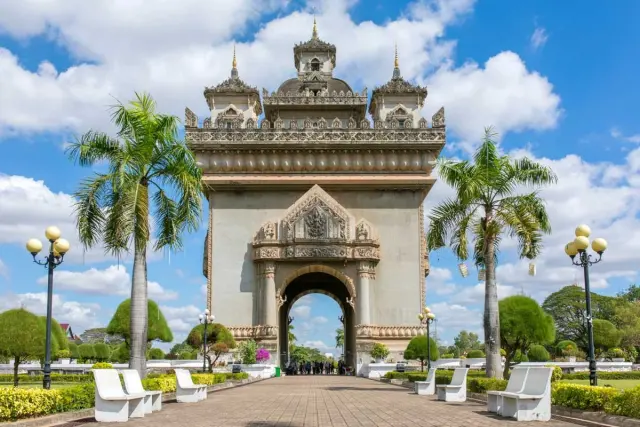
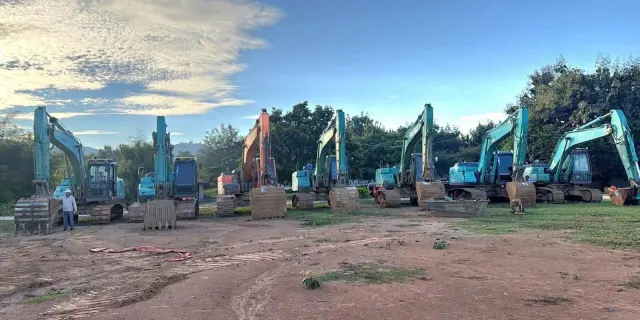
Why does this matter to travellers? Because the questions at the heart of the book are visible everywhere you walk in Laos — in the pride taken in temple grounds, in development projects reshaping Vientiane, and in the everyday state of the streets between them. For anyone heading to the country and wanting to understand it beyond the guidebook, this is a rare local perspective on how Laos sees its own future, written by someone who has studied the paths of 40 other nations. It's a good companion read for a slow journey through the country, especially if you plan to talk to locals about where Laos is heading.