
If you're flying between Spain and Italy this month, expect the possibility of a police stop at the gate. Rome has extended for another 15 days the border checks it imposed on arrivals from Spain, and Madrid has answered in kind, keeping its own counter-measures running for the same period.
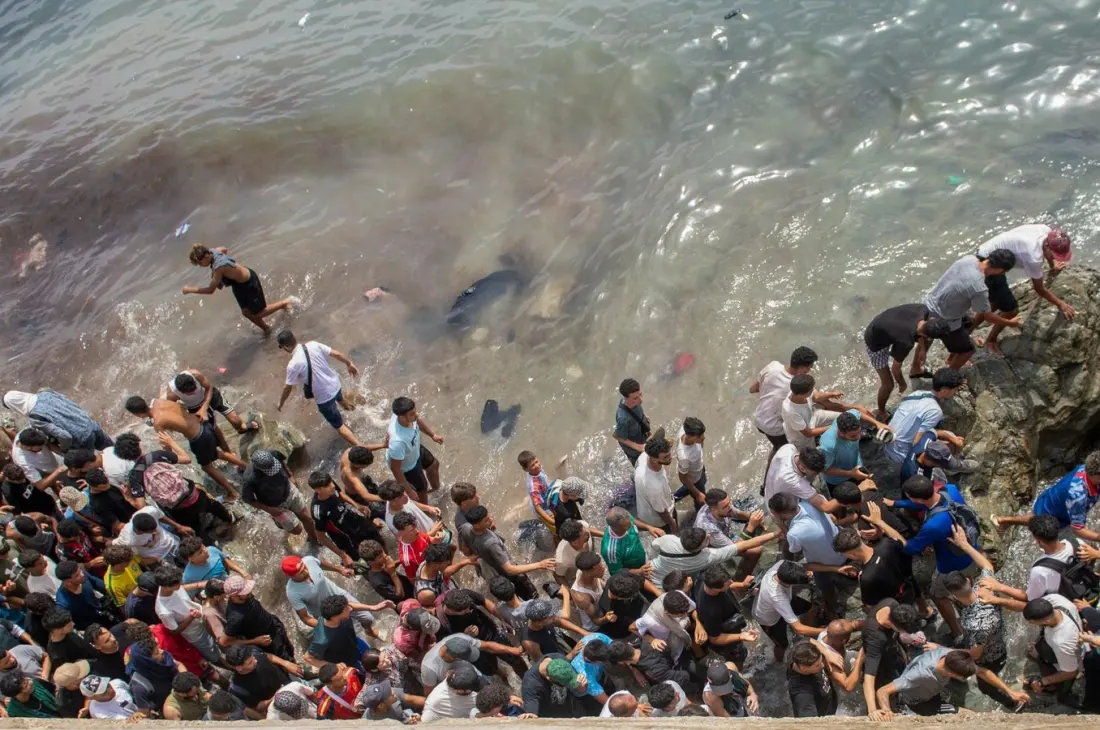
The origins are political rather than anything to do with tourists. In late July, more than 72,000 migrants crossed into Ceuta, Spain's North African enclave, from Morocco. Most were returned, but the episode set off a bitter feud between Italy's Premier Giorgia Meloni and Spain's Socialist Prime Minister Pedro Sánchez, whose government had recently run a large legalization programme for undocumented migrants — over a million people applied before the window closed. Italy seized on the Ceuta chaos to argue its internal security was at risk, citing everything from irregular migration to 'possible terrorist infiltration', and started random checks at airports and seaports on passengers arriving from Spain. Spain called that a sanction and retaliated with checks of its own on people coming from Italy.
For travellers, the practical effect is modest but real. These are checks inside the Schengen area — the visa-free zone that normally lets you cross EU internal borders with no formalities. Under EU rules, member states can temporarily reintroduce controls when there's a serious threat, though Brussels says this should be a last resort and time-limited. In practice, the Italy–Spain measures have meant random police checks rather than full passport queues, so most passengers pass through with little more than a document glance — but with occasional delays and the odd missed connection. Note that anyone travelling from Ceuta or Melilla was already subject to full EU border checks before this dispute began.
The broader context is sobering. NGOs reported more than 140 deaths during the Ceuta crossings, and more than 5,000 migrants remain in the enclave, keeping the humanitarian and political pressure on Sánchez. As long as that standoff continues, both governments look likely to keep rolling the checks forward in 15-day increments.
Who should care? Anyone with a flight, ferry or multi-country itinerary touching Italy and Spain in the coming weeks. It's not a reason to change plans — Schengen travel remains visa-free and these are temporary measures — but do carry a valid passport or national ID (not just a printout on your phone), arrive at the airport a little earlier than usual, and build some slack into tight connections, especially at busy hubs like Rome Fiumicino, Milan Malpensa, Madrid Barajas and Barcelona. If you're booked through a package operator, checks like these are the kind of delay that can cascade, so keep onward transfer times generous.