Europe just posted another record summer, but the growth map looks nothing like it used to. Fresh numbers from the European Travel Commission show international arrivals up 2.9 percent in early 2026, with four out of five destinations welcoming more foreign visitors. The twist: the boom is landing in smaller, cheaper countries rather than Paris or Rome.
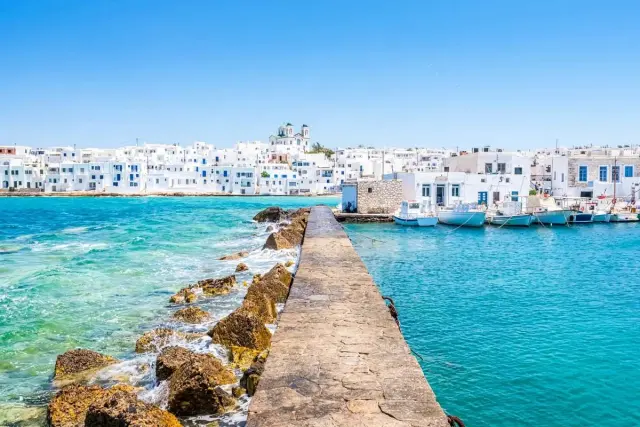
Malta led the pack with an 18.1 percent arrivals jump, driven mostly by budget carriers running short hops from elsewhere in Europe. That also explains why overnight stays rose more slowly at 10.1 percent — most trips are long weekends, not fortnights. The island works well as a three- or four-day break, stays warm deep into autumn, and remains one of the Mediterranean's better-value spots for sun plus a thick layer of history.
Ireland's story is different. Arrivals rose 12.7 percent, but overnights climbed 17.6 percent — the biggest nights increase of any European country in 2026. People are lingering, and the obvious reason is road tripping beyond Dublin. The Wild Atlantic Way runs roughly 1,600 miles along the rugged west coast, linking sea cliffs, Atlantic peninsulas and fishing villages that sit far from the capital. Bonus: most of the country costs noticeably less than Dublin, which has some of Europe's priciest hotel rates.
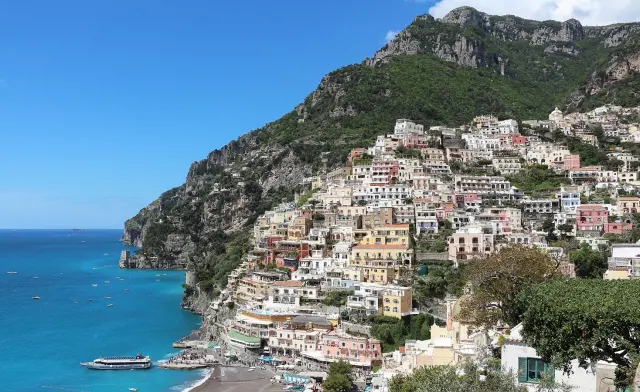
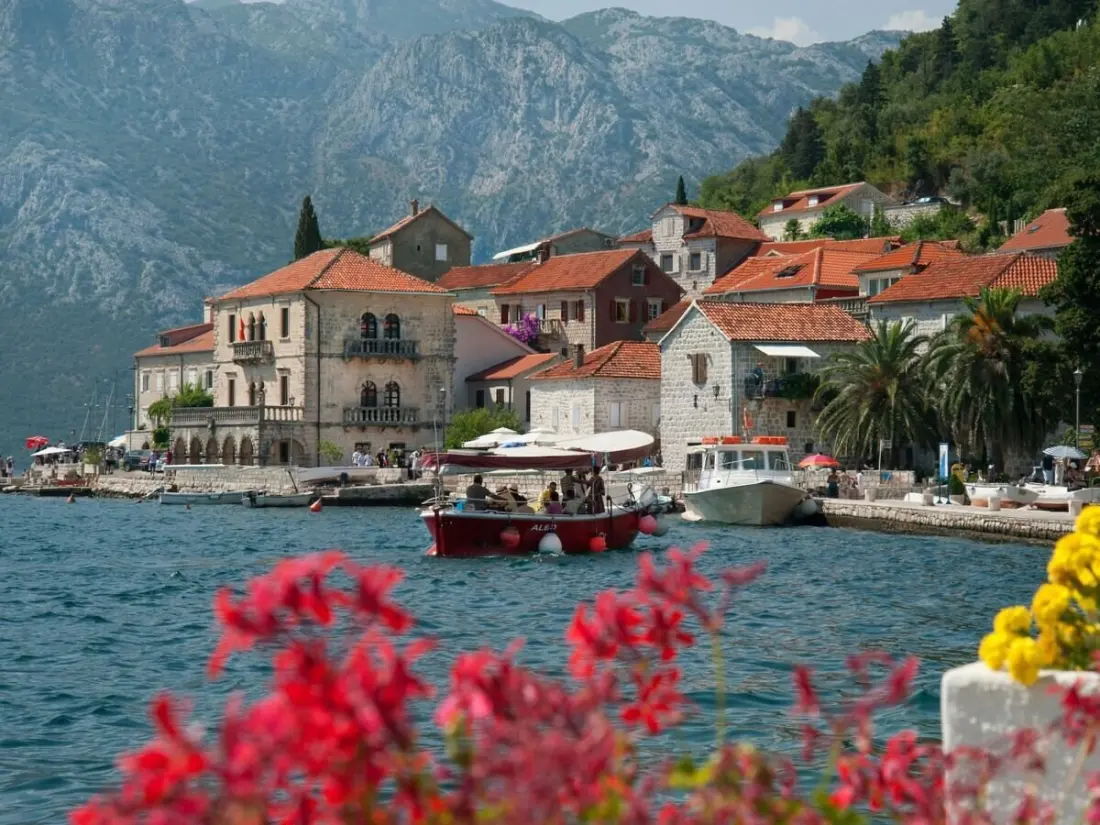
Montenegro grew 9.6 percent, and there's a clear trigger: budget airline Wizz Air opened a base at Podgorica airport in spring 2026, pushing flight volumes up 30 percent year over year, including new direct routes to Tivat. The draw is familiar — turquoise Adriatic water, walled medieval towns and mountains plunging into the sea, much like Croatia's coast, but at a lower price.
Slovakia was Central and Eastern Europe's fastest riser, with arrivals up 14.8 percent and nights up 15.4 percent, credited largely to nature and wellness travel. Think of it as an Alpine alternative: the High Tatras on the Polish border deliver granite peaks for hiking and skiing, while spa towns like Piešťany offer hot mineral soaks at a fraction of Western European prices. Bratislava sits an hour from Vienna by train, so the country slots neatly into a wider Central Europe itinerary.
US travellers are a big part of the shift. Arrivals from America rose in 21 of 28 countries, and while Spain still drew the most Americans overall, the steepest climbs came in bargain destinations: Montenegro up 29 percent, Romania 24.7 percent, Slovenia 24.1 percent, Poland 20.5 percent. Expect more of the same — the commission projects Central and Eastern Europe to grow another 10 percent in 2027.
Why it matters: these places are still affordable and uncrowded now, but surges like this have a habit of pushing prices up — just ask Croatia and Portugal. If any of them have been sitting on your list, the smart money says go sooner rather than later.