If you're planning a self-drive trip around Costa Rica, budget a little extra for petrol. The country's fuel import bill jumped by roughly $701 million in the first nine months of 2026 compared with the same stretch last year, and those costs are filtering down to the pump.
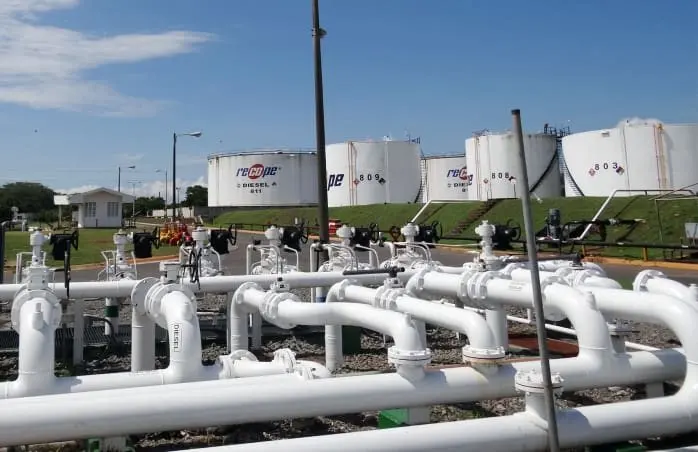
The numbers, released by the state fuel company Recope, show imports through September totalled $2,267 million — up nearly 45% year on year. But here's the thing: Costa Rica only imported about 5.5% more fuel by volume. Almost all of the increase came from price, with the average cost per barrel rising 37% from $83.27 to $114.22. Diesel was the biggest line item at $961 million, with its import price climbing from $90.79 to $135.82 per barrel. Recope's executive president Karla Montero linked the diesel spike to attacks on Russian refineries, while jet fuel also rose sharply, from $93.36 to $138.84.
For travellers, the practical takeaway is what you'll actually pay at the pump. Diesel and regular gasoline currently sell for 808 colones per litre — about $1.80, or roughly $6.80 per gallon. Super is barely cheaper at 806 colones, an unusual quirk of Costa Rica's pricing. Historically diesel undercut petrol because it carries a lower single fuel tax, but international pressure has narrowed that gap, which matters if you're renting a 4x4 for routes to Monteverde or the Osa Peninsula. Diesel was up 17% in October's inflation figures, and the Central Bank expects the year's total oil bill to hit $3,086 million versus $1,976 million in 2025.
There's some cushion: the colón has weakened about 10% against the dollar (now trading near 450), softening the blow for anyone paying in colones. Recope expects international prices to hold between $90 and $110 a barrel near term, and fuel chamber director Pablo Guzmán suggests costs could ease or rise only moderately in 2027 depending on Middle East shipping conditions and diesel supply recovery. Recope has already locked in freight, insurance and supplier margins for its 2027 contracts.
Why should holidaymakers care? Fuel costs feed into car rentals, shuttle transfers, domestic flights and even restaurant prices in a country that moves almost everything by road. Central Bank economist Alonso Alfaro warns the pressure can spread to broader prices, so a slightly higher daily budget is sensible. None of this changes the appeal of Costa Rica's beaches, volcanoes and cloud forests — it just means the fill-ups along the way will cost a few dollars more than they did a year ago.