The World Economic Forum has published its 2026 Travel & Tourism Development Index, and the picture it paints is upbeat: 92% of the world's economies have improved their scores since the last edition, making conditions for travel the strongest they've been since the pandemic.
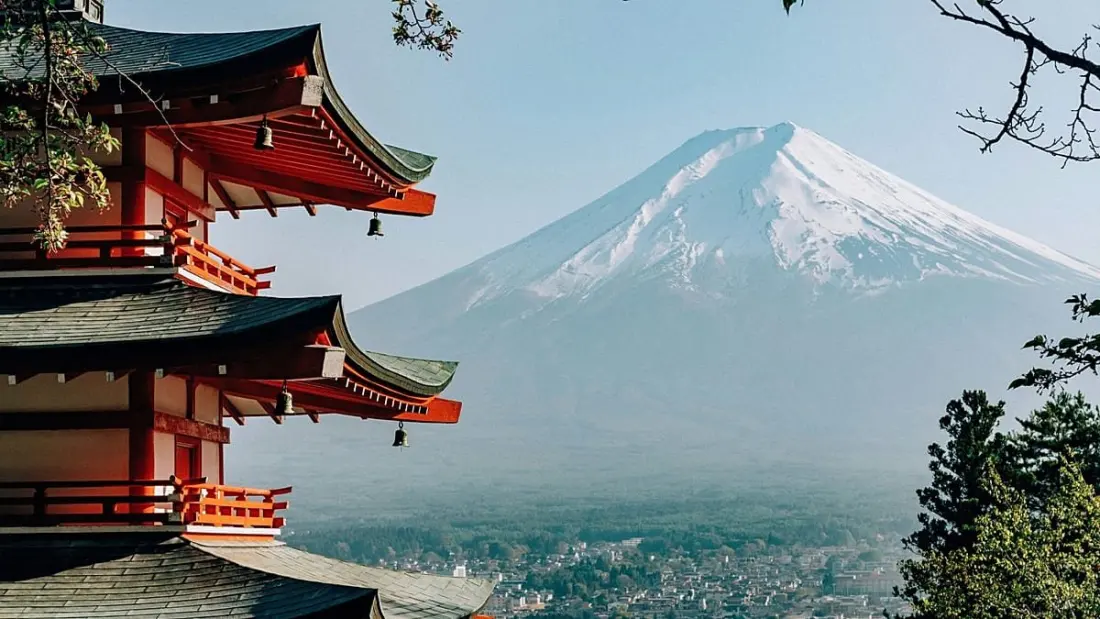
Japan takes first place overall, and it's easy to see why. The country has kept welcoming record numbers of international visitors while actively spreading them out — encouraging travel beyond Tokyo, Kyoto and Osaka so the pressure on a handful of famous spots eases up. That balance of growth and dispersal is exactly what the index rewards.
Europe, as usual, dominates the top ten. Spain is the continent's best performer in third, with France just behind in fourth. Germany, the UK, Switzerland and Italy fill out sixth, seventh, ninth and tenth respectively. The full top ten reads: Japan, the USA, Spain, Australia, France, Germany, the UK, China, Switzerland and Italy.
The index isn't a popularity contest — it measures the underlying conditions that make a destination work well for visitors. Pillars include air transport infrastructure, price competitiveness, safety and security, and within those, things like hotel prices, visa requirements, public transport efficiency, the number of UNESCO World Heritage Sites and how evenly tourism is spread around the country.
The more interesting story for holidaymakers might be the fastest improvers list. Albania tops it by a clear margin, with its score up 7% over two years. The WEF credits the country with offering a more affordable alternative to its neighbours — think Croatia and Greece — while still delivering a genuinely compelling experience, plus recent gains in air transport infrastructure and tourist services. For anyone who's watched the Adriatic coast get pricier, Albania has become the value play: beaches, mountains and Ottoman-era towns at a fraction of the cost.
The rest of the improvers list is heavily Asian and increasingly familiar to savvy travellers: Vietnam, Laos, Qatar, Malaysia, Thailand, the Philippines, Morocco, Nepal and Sri Lanka. It's a snapshot of where infrastructure and visitor services are catching up fast — often in places where your money still goes a long way.
There's a theme in the WEF's commentary worth noting. The organisation's Ramya Krishnaswamy framed the next chapter of global tourism as being less about attracting sheer visitor numbers and more about creating value — investing in people, infrastructure and public-private collaboration so tourism benefits the communities and destinations visitors actually come to see. Translation: expect more destinations to manage crowds actively, and the places that score well on this index are the ones most likely to handle growth without spoiling what makes them worth visiting.
For travellers, the practical takeaways are simple. Japan remains the gold standard for getting around and travelling well beyond the obvious cities. Europe's heavy presence in the top ten reflects excellent transport, safety and heritage. And if you want to get ahead of the crowd, the improvers list — Albania above all — is effectively a shortlist of destinations on the way up, before prices and queues follow.
Credit: Euronews Travel