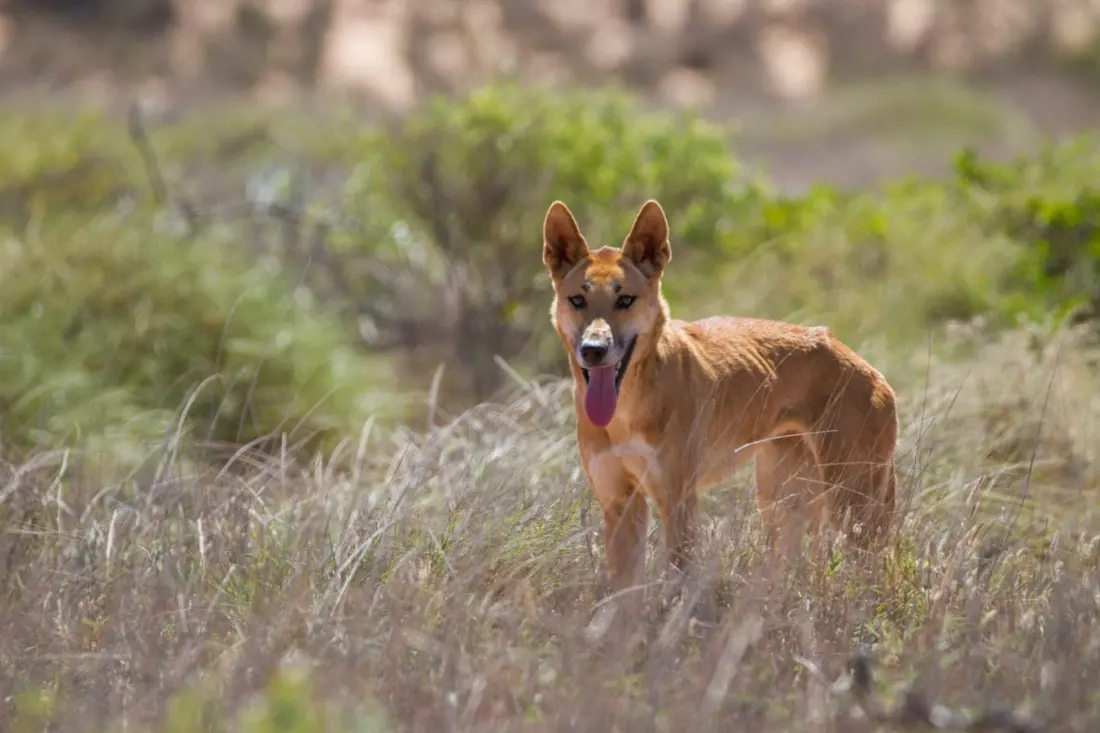
A parliamentary inquiry in New South Wales is weighing the future of the dingo, and the outcome could reshape how visitors experience the state's national parks. Dingoes are currently not protected under NSW law — they sit under the legal banner of "wild dogs" and can be killed through broad-scale baiting programs. With public hearings now wrapped up and close to 400 public submissions lodged, the inquiry is examining the animal's genetics, ecological role and cultural weight.
The case for stronger protection rests on two pillars. Ecologically, dingoes are Australia's apex land predator, keeping kangaroo numbers in check and suppressing invasive species like foxes. Culturally, archaeological records show a long relationship between dingoes and Indigenous Australians, and the animal remains significant to many First Nations communities today. Those values sit awkwardly beside the NSW government's own stated park management principles: biodiversity protection, intact ecosystems and respect for Aboriginal community values.
On the other side are farmers, particularly those running sheep and goats on land bordering dingo territory. Livestock attacks can wipe out thousands of dollars in income, and the psychological toll of losing animals is real. But the evidence for the current approach is thin. One study of baiting across four cattle stations found dingo numbers dropped yet calf losses didn't, and any population reduction tends to be short-lived. Indiscriminate killing, in short, doesn't reliably do what it promises.
The inquiry is looking at alternatives: exclusion fencing, guardian animals, and targeted responses to individual problem animals rather than blanket control. The hurdles are cost — fencing and trained guardian animals don't come cheap — and the policy shift needed to formally recognise dingoes as a native species deserving protection inside parks. If NSW adopts non-lethal strategies, it would join other parts of the world that manage apex predators alongside livestock, and position itself as the national leader on the issue.
For travellers, this matters more than it might first appear. Dingoes are one of the main reasons people visit places like the Blue Mountains, Kosciuszko and the state's remote western parks, and Fraser Island (K'gari) in neighbouring Queensland famously markets itself on its dingo population. Whether you're likely to see one — and how the animals are treated — depends directly on decisions like this one. The question the inquiry is asking has quietly shifted: not whether dingoes should be managed, but how people can live alongside them. For anyone planning a bushwalk or an outback road trip, the answer will shape the wild Australia they encounter.
Story via Australian Geographic.