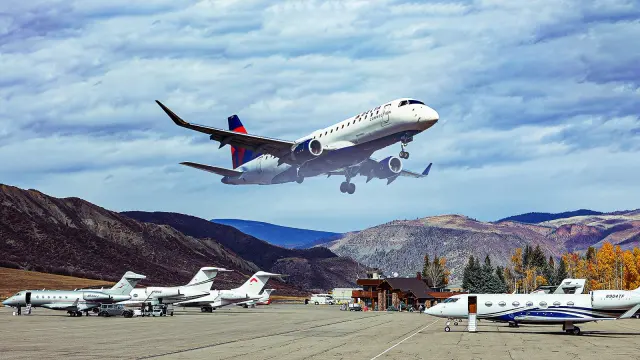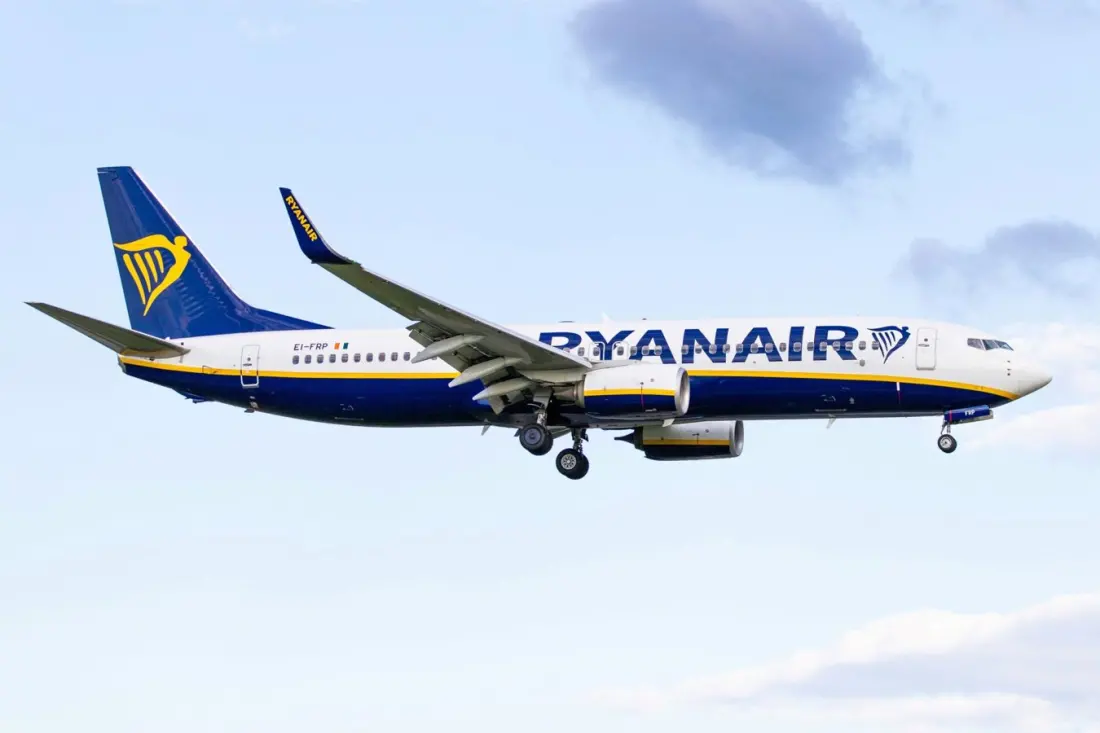
A Ryanair flight from Pisa to Glasgow Prestwick came within minutes of running dry on 3 October 2025, after three failed landing attempts during Storm Amy forced the Boeing 737-800 to divert repeatedly before it finally touched down at Manchester with just 363 kg of fuel on board — well below the roughly 1,100 kg final reserve required for the flight.
The UK's Air Accidents Investigation Branch (AAIB) has now published its report into what it classes a "serious incident". Flight FR3418 was carrying 171 passengers and six crew when it first tried to land at Prestwick. A windshear warning at just 264 feet on the approach forced the pilots to abandon the attempt. A second try ended the same way, with another windshear alert and a go-around as gale-force winds and heavy rain swept across Scotland.
Here's where it gets messy. The crew asked to divert to Manchester, which they'd already identified as their best alternative thanks to better weather. That request was refused — the AAIB found a "breakdown of communication" meant the rejection happened even though airport policy said it should have been accepted. Instead, the flight was sent to Edinburgh, where conditions were barely any better. A third windshear warning scuppered that landing attempt too.
By the time the commander decided to make for Manchester, fuel calculations showed the aircraft would arrive with far less than its required reserve. The crew declared "MAYDAY MAYDAY MAYDAY FUEL" and requested priority handling. The plane landed safely, but the tank held just 363 kg — and only 240 kg by the time engines were shut down after taxiing. Investigators concluded there probably wouldn't have been enough fuel left for even one more go-around at Manchester, and noted the pilots, under heavy workload, didn't consider closer options like Newcastle on the way. Nobody was hurt and the aircraft was undamaged.
Why should passengers care? Because the safety net worked, but only just. The crew did the right thing by tankering extra fuel before departure given the forecast, and a mayday fuel call gets you immediate priority. But the report also shows how a single communication breakdown at a diversion airport can cascade into a genuinely tight situation. Manchester has since reminded stakeholders that diversion requests should be accepted when there's capacity, and that the call doesn't sit with a handling agent.
For holidaymakers, the practical takeaways are simple: storms like Amy do cause multiple go-arounds and diversions, so build slack into any tight connection when autumn weather hits the UK; and diversion decisions are made on safety and capacity, not airline preference — which is exactly how it should be. The system held. It was, by the AAIB's own account, uncomfortably close to not doing so.
Travel Tomorrow