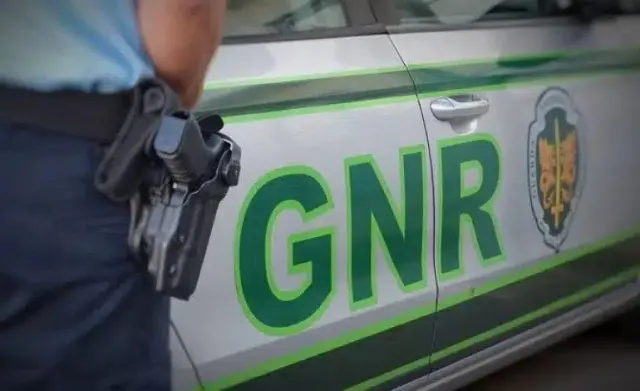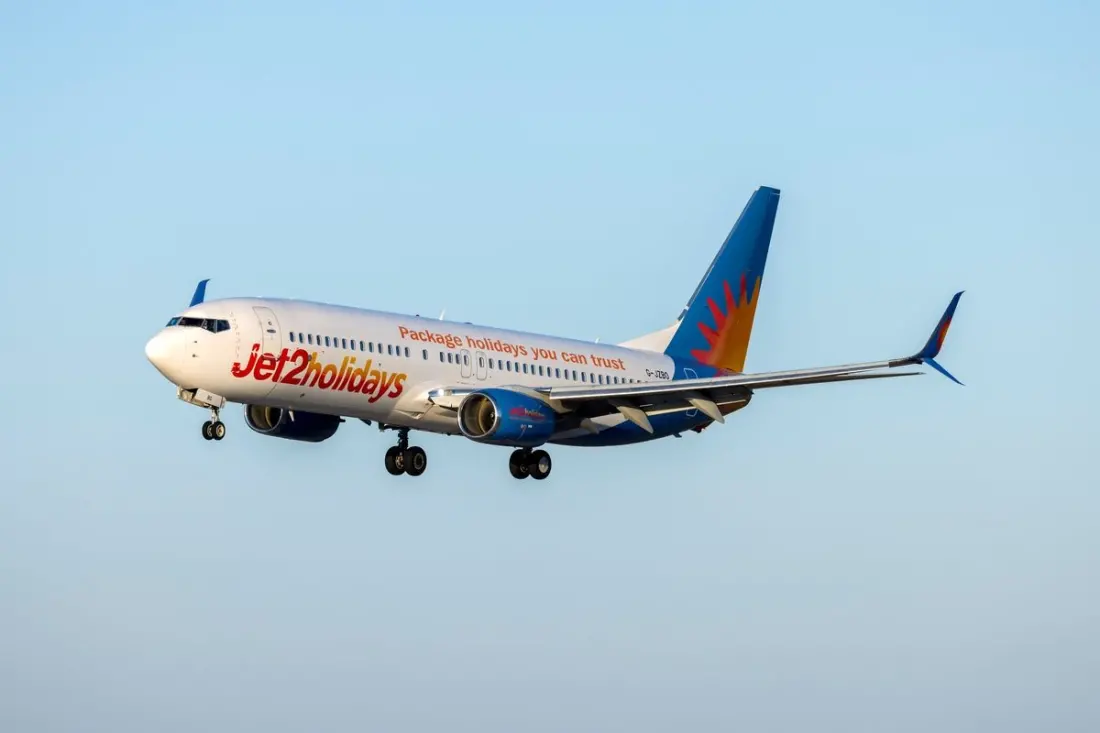
A Jet2 flight heading back to London Stansted was emptied on the tarmac at Tenerife South airport after a passenger reportedly made a bomb threat before departure.
The flight, LS1536, was scheduled to leave Tenerife South at 11.20am on Friday 25 September for the roughly four-hour hop to Stansted. Instead, Spanish police — the Guardia Civil — evacuated the Boeing 737 as a precaution and swept both the aircraft and the luggage. Nothing was found, and passengers were let back on board. The plane eventually departed just after 2pm and touched down at Stansted at 5.49pm, running two hours and nine minutes late.
Jet2 confirmed customers were asked to disembark "following an incident involving a passenger on board" and apologised for the delay, but stopped short of characterising the incident as a bomb threat. Spanish news site Atlántico Hoy, citing Guardia Civil sources, was the outlet that reported the alleged threat. What happened to the passenger afterwards remains unclear.
The Tenerife scare wasn't an isolated blip. A day earlier, a Ryanair flight from Porto to Dublin turned back mid-air after what the airline described as a false security report. That Boeing 737 had left Porto at 10.55pm on Monday 22 September and was nearing the Portuguese-Spanish border when the captain transmitted squawk 7500 — the universal transponder code for a hijack or unlawful intrusion into the flight deck — and swung back to Porto.
For holidaymakers, the practical takeaway is less about alarm and more about expectations. Security threats and false reports trigger standard precautionary protocols: full deplaning, aircraft searches and lengthy delays are normal, and there's little anyone can do to speed them up. If you're flying back from the Canary Islands or mainland Europe during busy periods, building slack into any onward connection is wise. Under EU261 rules, passengers on flights delayed more than three hours at arrival from the Canaries to the UK can in some cases claim compensation, though security-related exceptional circumstances can complicate claims — worth checking your specific case. Keep boarding passes, note actual departure and landing times, and follow crew instructions quickly during an evacuation, since tarmac procedures move fast and hand luggage usually stays behind.